The Science of Durability: Deep Dive into the Chemistry of Polyaspartic Coatings
When you invest in protecting your concrete floors, understanding the underlying science helps you make the right choice. The chemistry of polyaspartic coatings represents a major leap forward in polymer science, delivering properties that traditional floor finishes cannot match. At Floortek Coatings, we use advanced chemical formulations to deliver high-performance floor transformations throughout Texas, including Houston, Dallas, Austin, and San Antonio.
Traditional concrete coverings often exhibit brittle chemical compositions, leading to rapid wear and yellowing. By examining the molecular architecture of modern floor coverings, we can see exactly why polyaspartic systems outperform legacy options like epoxy. This technical guide breaks down the chemical reactions, bonding mechanics, and material science that make polyaspartic technology the premier choice for commercial, residential, and industrial applications.
What is the Chemistry of Polyaspartic Coatings?
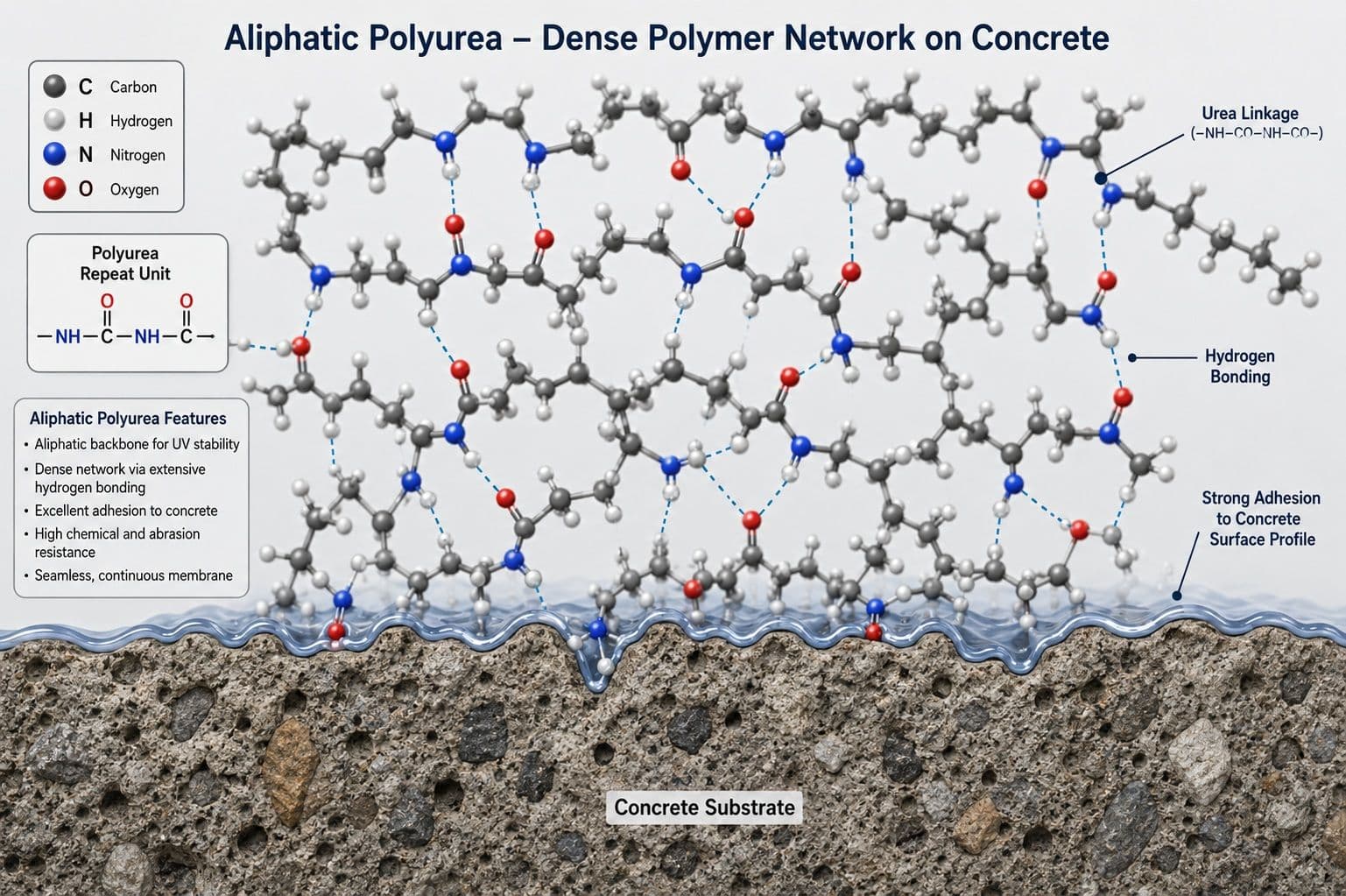
The chemistry of polyaspartic coatings centers on a unique class of aliphatic polyurea. Specifically, a polyaspartic ester is a hindered diamine that reacts with a standard polyisocyanate. Unlike conventional polyureas, which react almost instantly, the sterically hindered design of the polyaspartic molecule slows the reaction. This controlled reaction rate gives installation teams an optimal working window while maintaining a rapid overall curing schedule.
During the mixing phase, the secondary diamine reacts with the isocyanate component to form a highly cross-linked polyurea network. This cross-linking density is responsible for the material's exceptional mechanical properties. The absence of volatile organic compounds (VOCs) in 100% solids formulations ensures that the polymer chains form a dense, continuous film without leaving microscopic voids caused by evaporating solvents. This dense molecular network resists oil, grease, and harsh solvents, keeping contaminants from penetrating the underlying concrete matrix.
Furthermore, the ester linkages within the molecular chain provide innate flexibility. While traditional materials cure into rigid, brittle structures, polyaspartic films retain the ability to dissipate mechanical stress. This flexibility prevents micro-cracking when the material experiences thermal expansion or heavy impact loads.
Polyaspartic vs. Epoxy Chemical Structure: The Molecular Difference
To understand why polyaspartic technology outperforms traditional coatings, you must look at the polyaspartic vs. epoxy chemical structure. Epoxy resins rely on a reaction between bisphenol A and epichlorohydrin and are cross-linked with amine hardeners. This reaction creates a rigid, three-dimensional network that is highly susceptible to heat degradation and UV radiation. Over time, UV rays break down the aromatic rings in epoxy, causing the material to yellow, chalk, and lose its structural integrity.
In contrast, polyaspartic chemistry relies on an aliphatic backbone. Aliphatic compounds do not contain benzene rings, meaning they do not absorb ultraviolet light in the spectrum that causes polymer degradation. This makes polyaspartic inherently UV stable.
Additionally, the intermolecular forces in polyaspartic coatings are dominated by urea linkages rather than ether linkages. Urea links are significantly stronger and more thermally stable than the ether bonds found in epoxies. This difference in bonding types results in a film that typically outperforms epoxy in elasticity, impact resistance, and long-term retention of its mechanical properties.
How Polyaspartic Molecules Bond with Concrete Surfaces
Understanding how polyaspartic molecules bond with concrete requires examining both mechanical interlocking and chemical adhesion. Concrete is a porous material containing microscopic capillaries and pores. When we apply a properly formulated polyaspartic base coat, its low initial viscosity allows the polymer to flow deep into these microscopic voids.
As the reaction progresses, the polyaspartic molecules form a physical anchor within the concrete pores. Simultaneously, the reactive isocyanate groups in the coating seek out free hydroxyl groups present within the concrete matrix. This creates a strong chemical bond along the interface between the polymer and the stone.
The result is a monolithic structure where the coating becomes an extension of the concrete itself. Because the polyaspartic layer retains its internal flexibility, it can accommodate minor shifts and vibrations within the concrete without delaminating. Epoxy coatings, being brittle, frequently shear off the concrete under similar localized mechanical stresses.
The Polyaspartic Rapid Curing Process Science Explained
The science of polyaspartic rapid-curing processes is governed by temperature-dependent chemical kinetics. The reaction between the polyaspartic ester and the isocyanate occurs via a step-growth polymerization mechanism. Because the reaction is exothermic, it generates heat that further accelerates the cross-linking process once applied to the floor.
These rapid kinetics allow a polyaspartic coating to achieve its initial gel state within 20 to 45 minutes of application, depending on ambient humidity and temperature. Full mechanical cure is often reached within a few hours, allowing for a 1-day installation process. You can walk on the floor within hours, and drive vehicles on it the next day.
Traditional epoxy systems require several days to achieve a comparable level of cross-linking. During this extended open time, the curing epoxy remains vulnerable to dust contamination, moisture blushing, and insect debris. The rapid cure of polyaspartic reduces these risks, delivering a clean, uniform finish.
Aliphatic Polyurea UV Stability Technical Data and Weather Resistance
Reviewing the technical data on aliphatic polyurea UV stability reveals why these coatings excel in exterior and high-exposure environments across Texas. UV degradation occurs when high-energy radiation breaks covalent bonds within a polymer chain, a process known as photodegradation. Aromatic epoxies readily absorb this radiation, leading to polymer scission and surface degradation.
Aliphatic polyaspartic coatings lack the molecular structures that absorb these destructive UV wavelengths. Accelerated weathering tests, such as those using QUV weatherometers, demonstrate that polyaspartic films maintain their gloss, clarity, and color tint over thousands of hours of intense UV exposure.
This weather resistance is highly valuable in areas like Fort Worth, El Paso, and Corpus Christi, where intense sunlight and high temperatures are common. The coating helps reduce the risk of surface cracking and color fading, ensuring your patios, pool decks, and driveways maintain their appearance for years.
Managing Concrete Moisture Vapor Transmission Rates with Vapor Barriers
One of the most critical challenges in concrete coating chemistry is dealing with underground moisture. Capitalizing on industrial insights, we recognize that concrete moisture vapor transmission rates can create immense hydrostatic pressure beneath a non-breathable floor film. When soil moisture migrates upward through the concrete slab, it accumulates at the surface interface.
If the moisture vapor emission rate exceeds the coating's bond strength, delamination will occur. To solve this problem, we basically have to add an extra layer called a vapor barrier. This dedicated moisture mitigation layer seals the concrete capillaries and suppresses hydrostatic pressure.
Once the vapor barrier is established, the polyaspartic topcoat can be safely applied. This multi-layered approach isolates the high-performance polyaspartic finish from subsurface moisture movement, ensuring long-term adhesion even in challenging coastal or low-lying Texas environments.
Concrete Surface Profiling for Polyaspartic Adhesion Parameters
Achieving an unbreakable bond requires proper mechanical preparation of the substrate. Concrete surface profiling for polyaspartic adhesion involves profiling the concrete to a specific Concrete Surface Profile (CSP) standard established by the International Concrete Repair Institute (ICRI). For polyaspartic coatings, a CSP of 2 or 3 is typically optimal.
We achieve this profile using industrial diamond grinding machinery. Grinding removes weak surface laitance, opens up clogged concrete pores, and creates a rough, microscopic texture that increases the surface area available for bonding.
Without this mechanical preparation, the polyaspartic molecules cannot penetrate the substrate deeply enough to form their characteristic mechanical anchors. Acid etching is an inadequate substitute, as it can leave chemical residues and fails to provide the uniform depth of profile needed for industrial-grade adhesion.
Tensile Strength of Polyaspartic vs Epoxy Performance Metrics
Comparing the tensile strength of polyaspartic vs epoxy reveals a stark contrast in mechanical performance. Tensile strength measures a material’s resistance to being pulled apart. While epoxy coatings offer high compressive strength, their tensile strength is accompanied by low elongation values, making them brittle and prone to cracking under stress.
Polyaspartic coatings combine high tensile strength with exceptional elongation characteristics, often exceeding 70% flexibility retention. This means the coating can stretch and contract alongside the concrete slab during rapid temperature changes without fracturing the polymer matrix.
Furthermore, polyaspartic formulations exhibit excellent Taber abrasion resistance, often losing less than half as much material as standard epoxies under identical abrasive testing. This makes them highly resistant to hot-tire pickup, heavy tool impacts, and continuous foot traffic.
Why Choose Floortek Coatings for Your Texas Property?
At Floortek Coatings, we deliver manufacturer-direct value by controlling the application and sourcing of our high-performance polyaspartic formulations. Our systems are engineered to withstand the unique climate challenges of Texas, from the humid conditions of Houston to the dry heat of Lubbock.
We provide an efficient 1-day installation process to minimize downtime at your home or business. Our coatings are UV-stable and chemical-resistant, ensuring your garage, patio, commercial kitchen, or warehouse remains protected against stains and weathering. To give you complete peace of mind, every residential installation comes backed by our comprehensive life-of-home warranty.
We are currently offering 30% off your first installation, making it the perfect time to upgrade your concrete surfaces. Our expert teams follow strict technical protocols, from meticulous diamond grinding to precise moisture testing, ensuring your floor performs optimally for years to come.
Frequently Asked Questions:
Can the chemistry of polyaspartic coatings withstand the intense summer heat in Houston, Texas?
Yes. The chemistry of polyaspartic coatings features an aliphatic molecular structure that resists high thermal loads without softening or degrading. This ensures that a polyaspartic floor applied by Floortek Coatings retains its structural integrity and finish during hot Texas summers, outperforming alternative coatings like epoxy. For detailed material safety guidelines, you can review properties listed by the Texas Commission on Environmental Quality.
Does a polyaspartic coating require multiple days to cure on a concrete garage floor?
No. Thanks to the rapid cross-linking kinetics inherent in polyaspartic coatings, the material achieves full cure very quickly. Floortek Coatings can complete a full floor transformation within a 1-day installation timeline, allowing you to walk on the surface within hours, whereas old-fashioned epoxy systems require days of downtime.
Is a polyaspartic floor coating system highly chemical resistant against automotive fluids?
Yes. The dense polymer network produced by polyaspartic coating chemistry is chemically resistant to gasoline, engine oil, brake fluid, and road salts. Floortek Coatings applies these non-porous surfaces to prevent automotive fluids from staining or altering the polymer structure, outperforming standard epoxy finishes.
Can you apply polyaspartic coatings directly over an existing epoxy floor coating?
No. To ensure proper bonding, polyaspartic coatings require direct mechanical access to the concrete capillaries. Floortek Coatings utilizes advanced diamond grinding machinery to completely remove old epoxy layers, establishing the correct surface profile for optimal polyaspartic adhesion.
Do polyaspartic coatings turn yellow when exposed to direct sunlight over time?
No. The chemistry of polyaspartic coatings relies on aliphatic polyurea compounds that do not absorb UV wavelengths. This makes the floors installed by Floortek Coatings UV-stable and highly resistant to yellowing, fading, or chalking, unlike traditional aromatic epoxy systems.
Does Floortek Coatings offer a warranty on residential polyaspartic floor installations in Texas?
Yes. Floortek Coatings provides a comprehensive life-of-home warranty for our residential polyaspartic installations. This warranty reflects our confidence in the advanced chemistry of polyaspartic coatings and our rigorous concrete surface preparation standards.
Is a moisture vapor barrier necessary if my Texas concrete slab has high moisture emissions?
Yes. When handling high moisture vapor transmission rates, polyaspartic coatings perform best when paired with an initial vapor barrier layer. Floortek Coatings installs this specialized moisture mitigation primer to suppress hydrostatic pressure and protect the polyaspartic topcoat from delamination.
Can polyaspartic coatings be applied in freezing temperatures across North Texas?
Yes. The chemistry of polyaspartic coatings allows for a wide application temperature window, extending well below freezing. Floortek Coatings can successfully install these floors in cold weather conditions that would completely halt the curing reaction of a standard epoxy coating.
Is the chemistry of polyaspartic coatings safe for indoor applications regarding VOC emissions?
Yes. The high-solids formulations used in polyaspartic coating chemistry contain little to no volatile organic compounds (VOCs). Floortek Coatings ensures indoor air safety during installation, meeting environmental criteria set by organizations such as the U.S. Environmental Protection Agency.
Does Floortek Coatings manufacture or source its polyaspartic products directly?
Yes. Floortek Coatings offers manufacturer-direct value on our polymer systems. This direct sourcing allows us to maintain strict quality control over the chemistry of polyaspartic coatings used on your property, bypassing middleman markups.
Ready to transform your worn concrete with the advanced science of polyaspartic technology?
Contact Floortek Coatings today at 844-844-4164 to speak with our technical team or visit our Contact Us page to schedule your free on-site consultation. Don't forget to ask about our limited-time offer of 30% off your first installation, backed by our industry-leading life-of-home warranty. Let us provide you with the ultimate chemical-resistant, UV-stable floor solution built specifically for the Texas climate.
FREE In-Home Estimate
Plus 30% Off
Testimonials
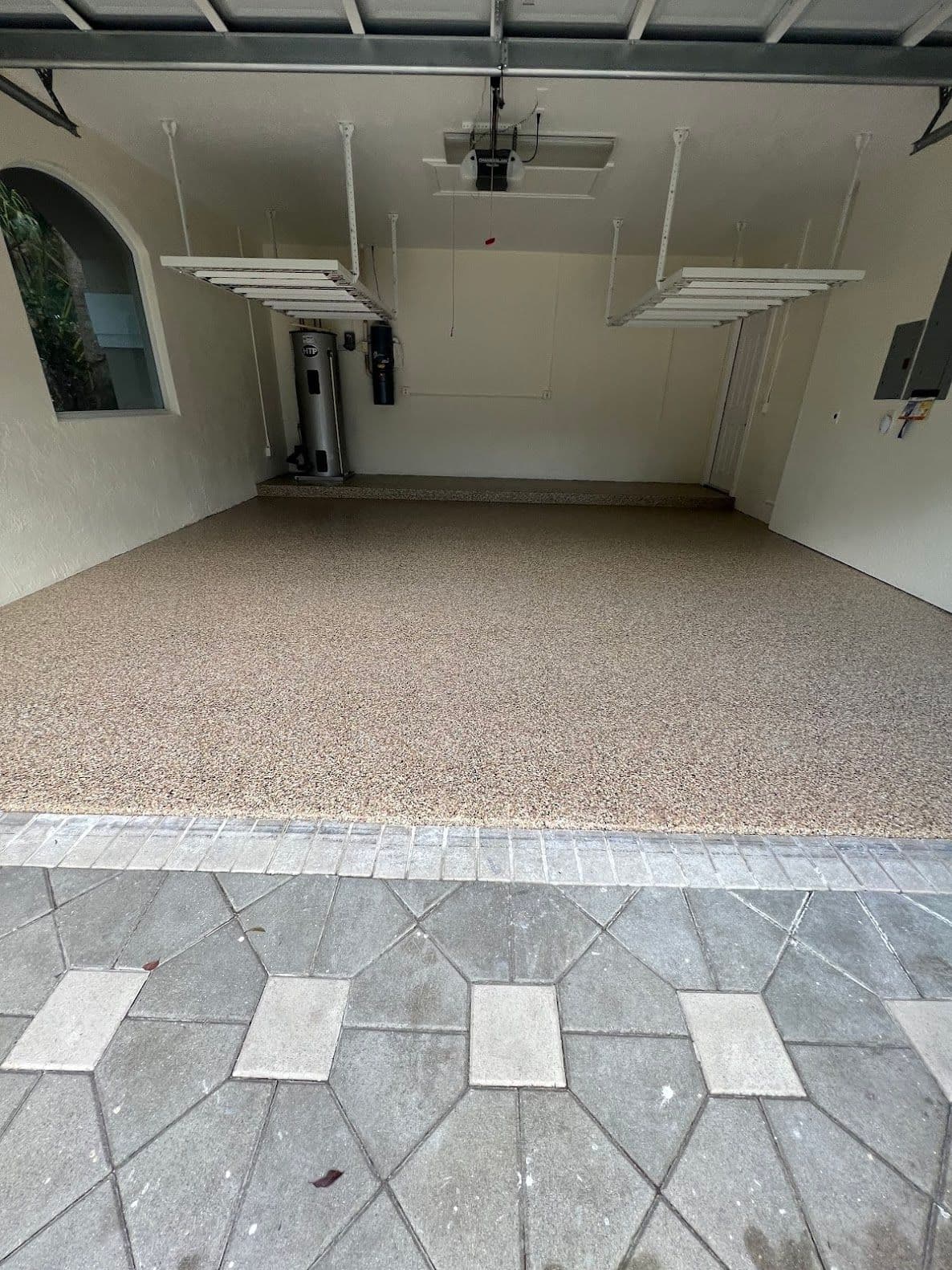
We had both of our garages done and an outdoor concrete platform. The crew was courteous and professional. Everyone from Nancy our salesperson to Patrick, the manager, Logan and his crew were outstanding. Our floors look fantastic and we were very happy we chose this company.
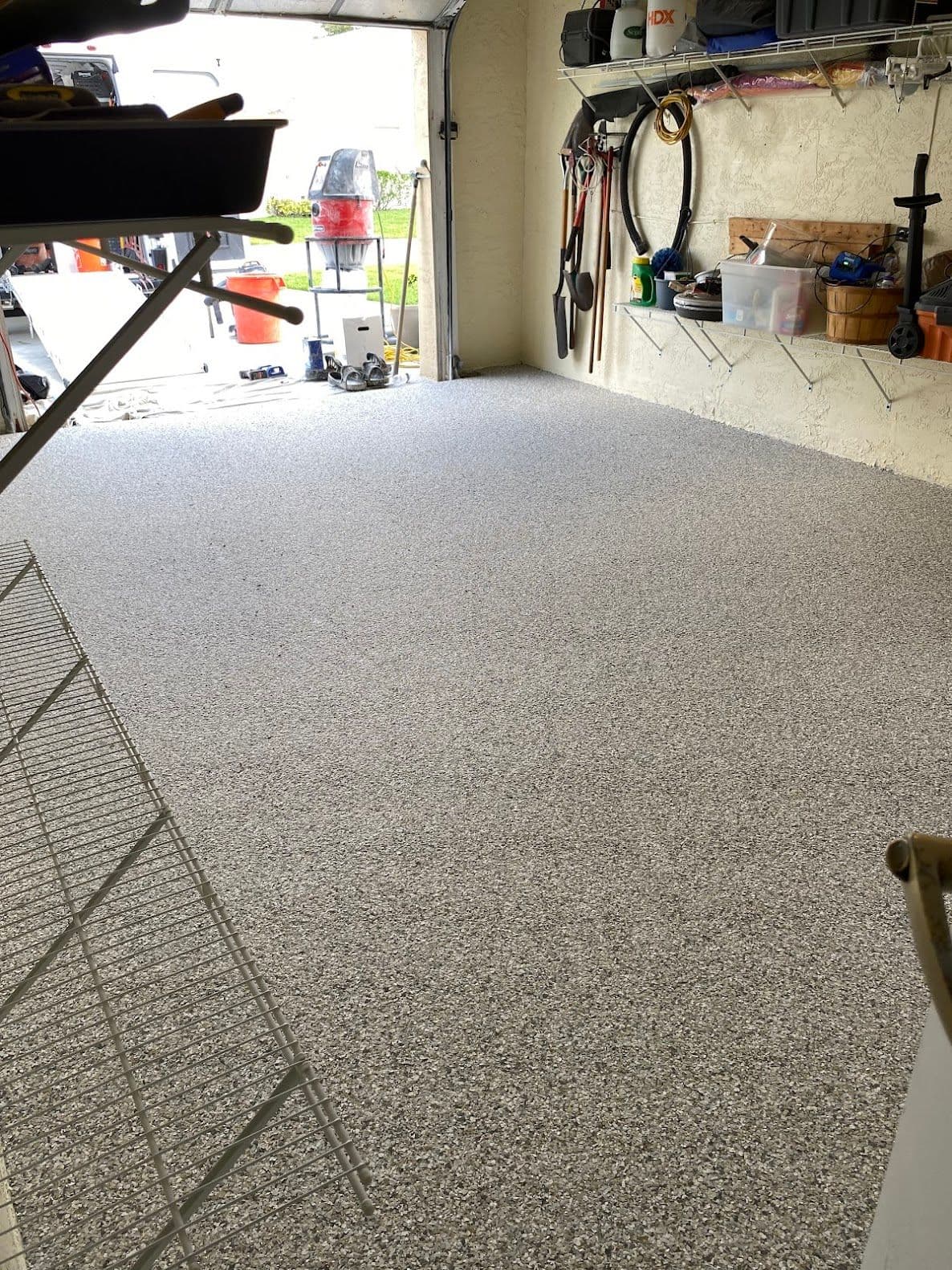
I am very pleased with the quality of work FloorTek has done for me. The two employees that did the actual work were very courteous, worked hard, and explained everything they were doing. Thank you for a great job.
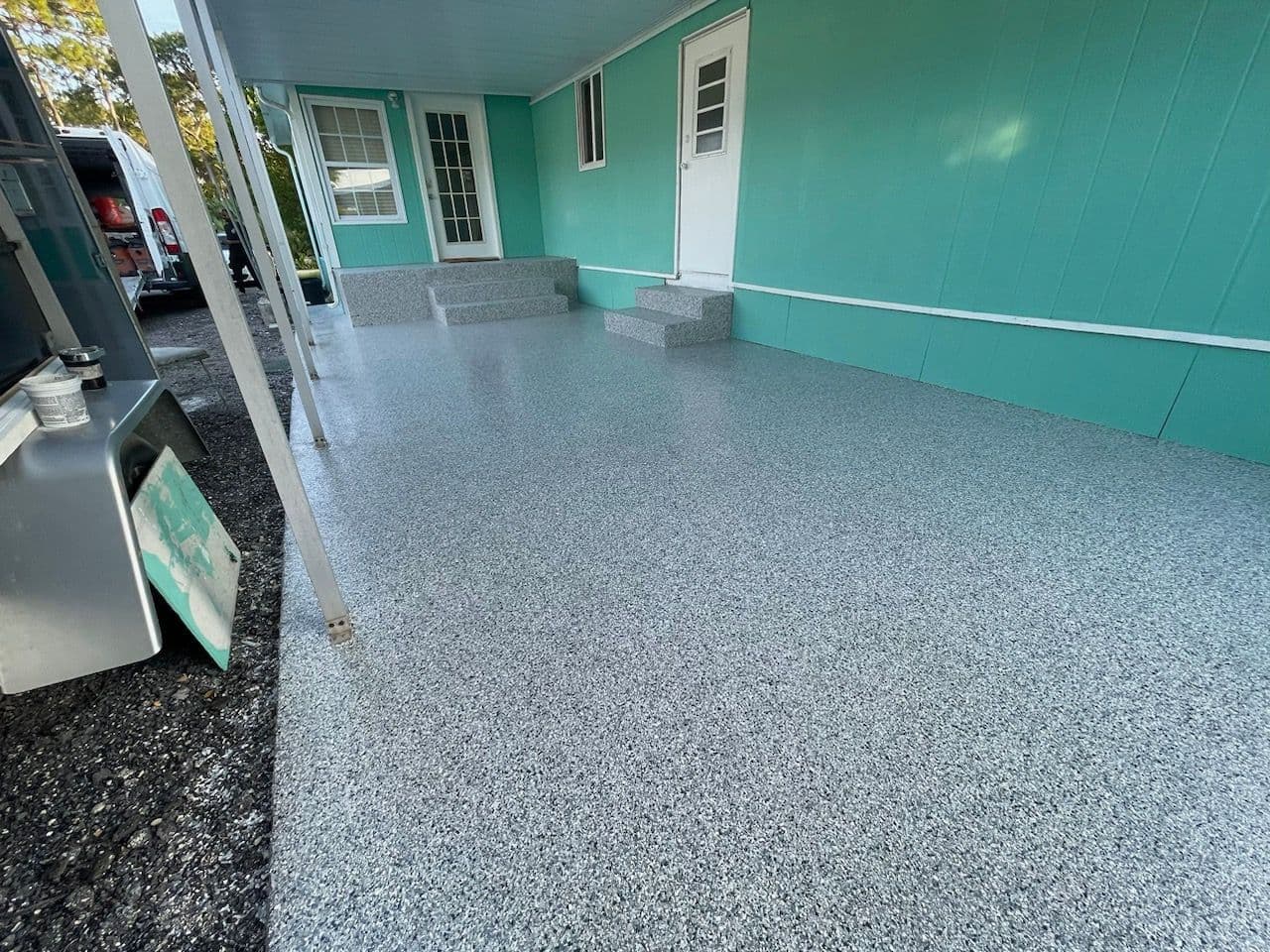
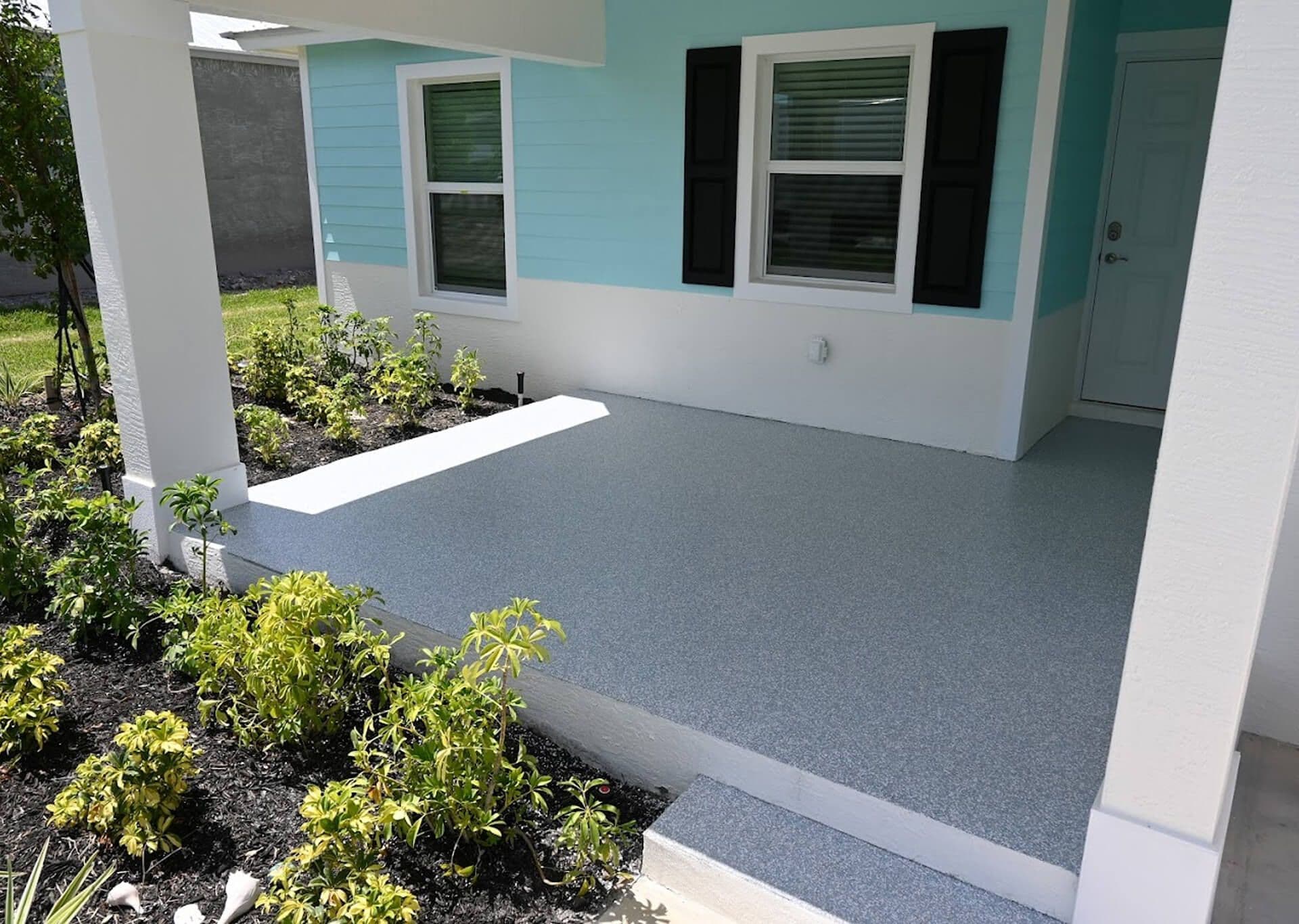
I was happy with the job Floortek did. Good customer communication and customer relationship. My old ugly porch was transformed and I love it. Nancy was very helpful throughout the process. Just know that rain may impact your schedule to make sure the products at highest quality during application.



Contact FloorTek Today