Engineering the Ultimate Concrete Protection: A Deep Dive into Aliphatic Polyurea UV Stability Technical Data for Texas Climates
When you evaluate high-performance outdoor coatings for Texas properties, analyzing Aliphatic polyurea UV stability technical data is critical to ensuring long-term durability. We know that the intense solar radiation across Texas can quickly destroy inferior floor coverings. Traditional concrete finishes frequently fail when exposed to extreme heat and ultraviolet radiation. Homeowners and commercial property managers often see their investments fade, yellow, crack, and peel within just a few years. These failures stem directly from the chemical limitations of standard coatings in outdoor environments.
At Floortek Coatings, we design our systems to solve these exact environmental issues. We provide high-performance polyaspartic concrete floor coatings engineered to survive the toughest conditions. Our products deliver exceptional protection for residential garages, commercial facilities, and outdoor spaces. By utilizing advanced aliphatic chemistry, we offer a superior alternative to standard industrial finishes. Our coatings provide a fast-curing, UV-stable, and chemically resilient solution that keeps your floors looking pristine for decades. This technical guide provides the in-depth factual data needed to understand how modern polymer science protects your concrete.
The Physics of UV Degradation on Concrete Surfaces in Texas
The Texas sun delivers some of the highest levels of ultraviolet radiation in the United States. Cities like Houston, Dallas, Austin, and San Antonio regularly experience extreme UV index levels. Ultraviolet radiation consists of short-wavelength light that carries enough energy to break chemical bonds at the molecular level. When raw concrete or inferior coatings absorb this radiation, a process called photodegradation begins.
Photodegradation alters the physical properties of polymer networks. The UV photons break the polymer chains, leading to the formation of free radicals. These free radicals react with oxygen, causing further cross-linking destruction. For property owners, this chemical breakdown manifests as severe discoloration, chalking, loss of gloss, and micro-cracking. Once micro-cracking occurs, chemicals, automotive fluids, and water easily penetrate the surface.
In coastal areas like Houston or the high-heat plains of Dallas, concrete expansion and contraction worsen this degradation. The material undergoes constant thermal shock. If a floor coating lacks the flexibility to move with the concrete while resisting UV breakdown, it delaminates. The bond between the coating and the concrete substrate fails. We recognize that protecting your floors requires a material specifically designed to withstand relentless solar bombardment.
Deep Dive: Aliphatic polyurea UV stability technical data vs. Aromatic Polymers
To understand why our floors do not yellow or degrade, you must examine the underlying polymer chemistry. Coatings fall into two primary categories based on their chemical backbones: aromatic and aliphatic. Traditional epoxy systems rely on aromatic chemical structures. Aromatic structures contain carbon rings that naturally absorb ultraviolet light. When these rings absorb UV photons, they undergo a molecular rearrangement. This rearrangement creates chromophores, which are light-absorbing groups that cause the floor to turn an unsightly amber or yellow hue.
Conversely, our advanced polyaspartic systems utilize aliphatic polyurea technology. Aliphatic chemistry features open-chain molecular structures rather than carbon rings. These open chains do not absorb ultraviolet radiation in the dangerous UV-A and UV-B spectra. Because the chemical bonds do not absorb this destructive light energy, they do not fracture.
Independent laboratory testing confirms this performance through rigorous weathering protocols. The primary standard for evaluating UV endurance is the ASTM G154 accelerated weathering test. During this test, coating samples undergo thousands of hours of continuous exposure to intense UV radiation and moisture condensation cycles.
The Aliphatic polyurea UV stability technical data derived from these tests shows remarkable results:
Color Retention: Aliphatic polyurea maintains over 95% of its original color consistency after 4,000 hours of ASTM G154 testing. Epoxy systems exhibit severe yellowing and color shifting within less than 500 hours.
Gloss Retention: Our aliphatic topcoats preserve their high-gloss finish, showing less than a 5% drop in reflectivity. Aromatic coatings lose their gloss entirely, developing a dull, chalky residue on the surface.
Chalking Resistance: Aliphatic polyurea achieves a rating of 10 (no chalking) under ASTM D4214, whereas epoxy formulations degrade to a loose powder.
This scientific data confirms that the Chemistry of polyaspartic coatings makes them highly stable under the sun. By choosing an aliphatic system, you prevent the fading, discoloration, and structural breakdown that ruins other floor treatments.
Tensile Strength and Mechanical Durability: Polyaspartic vs. Epoxy
A floor coating must do more than resist the sun; it must withstand heavy mechanical loads. Vehicles, heavy machinery, tool drops, and foot traffic exert constant stress on the floor surface. Traditional epoxy coatings are notoriously rigid and brittle. While they initially provide a hard shell, their high modulus of elasticity makes them prone to cracking under impact or substrate shifting.
Polyaspartic polyurea coatings deliver a superior balance of hardness and flexibility. To evaluate mechanical strength, engineers review tensile strength data for polyaspartic vs. epoxy across several standardized tests. In ASTM D638 testing, polyaspartic coatings typically achieve tensile strength levels that exceed those of standard epoxies while offering much higher elongation.
Our polyaspartic systems provide elongation rates of up to 70%. Standard epoxy typically manages less than 10% elongation before fracturing. This flexibility means that as your concrete expands and contracts due to temperature changes in Austin or San Antonio, our coating stretches and contracts without tearing.
Abrasion resistance represents another vital performance metric. We measure this using the ASTM D4060 Taber Abrasion test, which spins an abrasive wheel over the coating for a set number of cycles. The test measures mass loss in milligrams; a lower number indicates a more durable floor.
Standard epoxy coatings generally lose between 40 and 90 milligrams of material over 1,000 cycles.
Our industrial-grade polyaspartic topcoat loses less than 15 milligrams under identical conditions.
This exceptional wear resistance ensures that your garage, shop, or commercial workspace maintains its smooth finish. The coating resists hot-tire pickup, heavy tool impacts, and continuous scraping from heavy equipment. We build our floors to handle real-world abuse without scratching or chipping.
The Role of Moisture: Managing Concrete Moisture Vapor Transmission Rates
Moisture represents one of the most common causes of floor coating failure. Concrete is a porous, sponge-like material that naturally absorbs water from the surrounding soil. Over time, this moisture migrates upward through the concrete slab via capillary action. This phenomenon is known as moisture vapor transmission.
When moisture reaches the surface of a coated floor, it exerts hydrostatic pressure against the underside of the coating. If the pressure exceeds the material's bond strength, it forces the coating off the concrete. This results in large blisters, bubbles, and eventual delamination. Traditional epoxy coatings have very low permeability, meaning they completely trap moisture. Because epoxy forms a rigid, brittle barrier, the trapped vapor pressure easily ruptures the bond line.
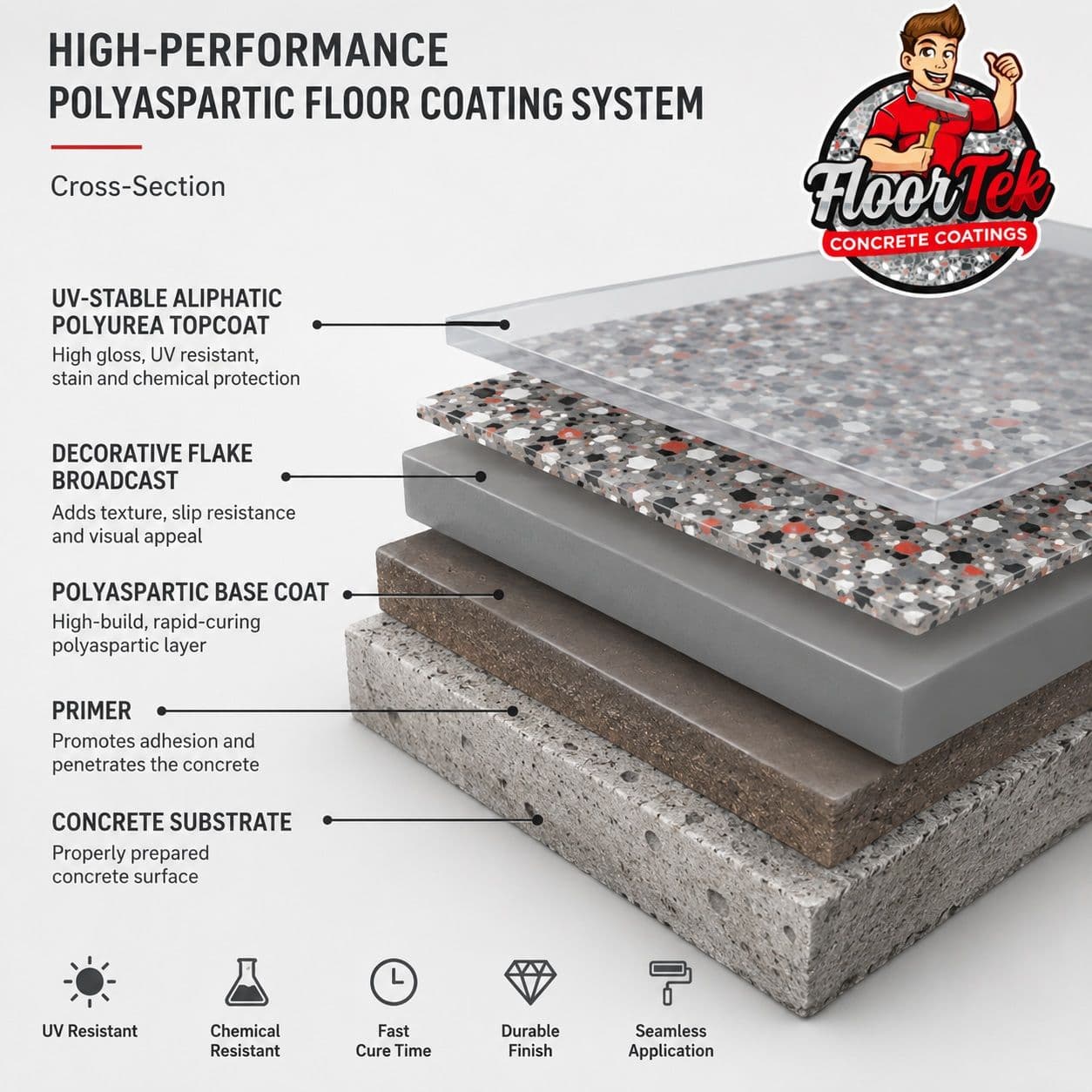
When it comes to moisture, we need to add an extra layer called a vapor barrier. Before applying our polyaspartic topcoats, we analyze the Concrete moisture vapor transmission rates of your slab. If testing reveals elevated moisture emissions, we apply a specialized moisture-mitigating primer layer. This vapor barrier penetrates deep into the concrete capillaries, reacting with the free lime and moisture to form an impermeable crystalline structure.
Once this specialized vapor barrier seals the concrete, we apply our high-performance polyaspartic layers. This multi-layer approach ensures that subterranean moisture pressure cannot compromise the floor. Whether you have a garage in humid Houston or a facility built on the clay soils of Dallas, this engineered moisture defense keeps your floor intact.
The Installation Science: Concrete Surface Profiling for Polyaspartic Adhesion
A high-performance coating is only as good as its mechanical bond to the concrete substrate. Many DIY kits and uncertified contractors fail because they rely on acid etching to prepare the floor. Acid etching is inconsistent and dangerous, and it fails to create the deep profile required for long-term adhesion.
We use a rigorous mechanical preparation process to ensure a permanent bond. Our teams use heavy industrial planetary diamond-grinding machines equipped with dust-containment vacuums. This grinding process removes the weak top layer of concrete, known as laitance, and opens the slab's pore structure. We follow the International Concrete Repair Institute (ICRI) standards to achieve a precise Concrete Surface Profile (CSP) rating of 2 or 3.
To understand the microscopic dynamics of this process, you can read about Concrete surface profiling for polyaspartic adhesion. Opening the concrete pores allows the low-viscosity polyaspartic material to flow deep into the slab's microscopic valleys. Once inside, the polymer cross-links and solidifies, creating a powerful mechanical lock.
To fully grasp this molecular anchorage, explore how polyaspartic molecules bond with concrete to form a unified structure. Instead of simply sitting atop the concrete like an eggshell, our coating becomes an inseparable part of the slab itself. This advanced mechanical prep prevents delamination, peeling, and lifting, even under heavy vehicular traffic or intense thermal cycling.
Why a 1-Day Installation Curing Process Matters
Traditional floor coverings often disrupt your life or business for a week or more. Epoxy systems require a lengthy, multi-step application process. Each layer of epoxy can take 12 to 24 hours to dry sufficiently for the next coat. After the final layer is applied, epoxy requires an additional 72 hours to a full week to cure completely before you can park vehicles or place heavy items on the surface. This extended downtime creates immense inconvenience for homeowners and costly operational delays for businesses.
Our advanced polyaspartic formulations completely rewrite this timeline. By mastering the science of Polyaspartic rapid-curing processes, we provide a full, multi-layer installation in just one day. Polyaspartic chemistry relies on a controlled reaction between aliphatic polyisocyanates and polyaspartic esters. This reaction occurs quickly and predictably, independent of ambient temperature or humidity levels.
Our typical 1-day installation schedule follows a highly efficient workflow:
Arrive and Prep: We diamond-grind the entire floor surface, patch any cracks or pits, and vacuum all dust.
Basecoat Application: We apply our commercial-grade polyaspartic basecoat layer.
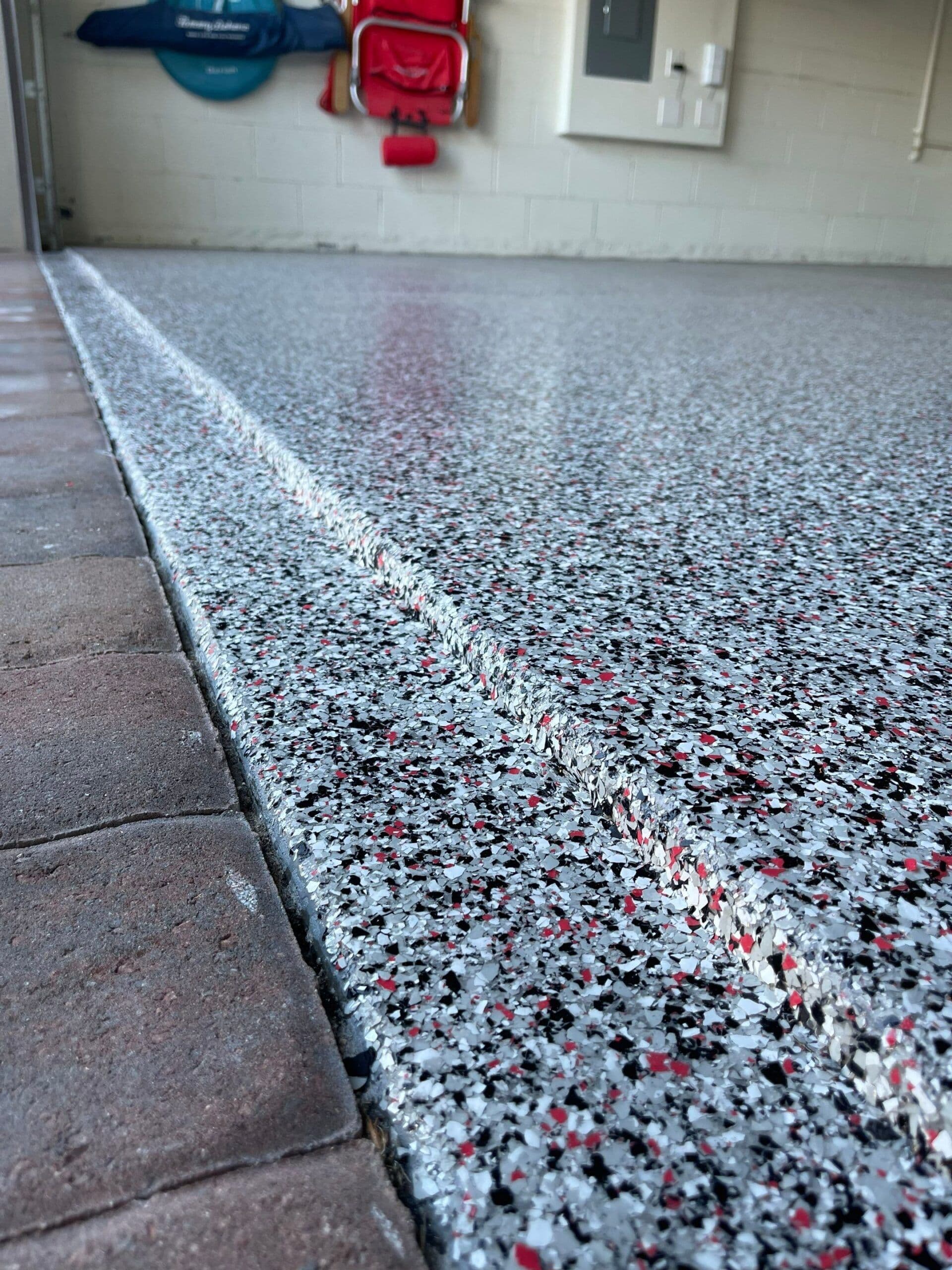
Flake Broadcast: We broadcast your chosen decorative flakes into the wet basecoat to rejection, ensuring full coverage.
Scrape and Clean: After a brief cure time, we scrape away excess flakes and vacuum the floor to smooth it.
Topcoat Seal: We apply our UV-stable aliphatic polyurea topcoat to lock in the flakes and seal the system.
Because our products cure rapidly, you can walk on your new floor just 4 to 6 hours after we finish the topcoat. You can drive your vehicles and return heavy machinery to the space within 24 hours. This rapid return-to-service minimizes disruption to your routine while delivering an industrial-strength floor finish.
Chemical Resistance Metrics for Industrial and Residential Floors
Residential garages and commercial workspaces expose floors to a wide array of harsh chemicals. Motor oil, brake fluid, gasoline, antifreeze, battery acid, and household cleaners easily stain or dissolve standard floor paints. Epoxy coatings are highly susceptible to chemical staining and can soften when exposed to prolonged contact with solvents.
Our polyaspartic coatings provide exceptional chemical resistance due to their dense molecular cross-linking. When our aliphatic polyurea cures, it forms an impermeable barrier that prevents chemicals from penetrating the surface. We evaluate this resistance through ASTM D1308 spot testing, which exposes the coating to aggressive chemicals for extended periods to assess softening, blistering, or discoloration.
The technical performance data highlights excellent chemical resistance across a broad spectrum of substances:
Automotive Fluids: Motor oil, transmission fluid, and diesel fuel cause zero softening or staining, even after 72 hours of continuous contact.
Corrosive Acids: Mild acids, such as 10% hydrochloric acid and citric acid, fail to etch or dull the aliphatic topcoat.
Solvents: Strong solvents like acetone, xylene, and isopropyl alcohol evaporate without damaging the polyaspartic matrix.
Household Contaminants: Bleach, vinegar, and animal waste wipe away cleanly without leaving permanent marks or odors.
This chemical resilience makes our systems ideal for demanding environments. Whether you are running an automotive shop in Dallas or managing a busy household garage in San Antonio, our floors remain unbothered by common chemical spills. The surface resists degradation, helping you maintain a clean, professional appearance with minimal maintenance.
Long-Term Investment Value: Manufacturer-Direct and Warranties
Investing in a concrete floor coating should provide long-term peace of mind and tangible value. Many franchise coating companies buy their products from third-party distributors, adding extra markups to your final price. Furthermore, these third-party products often feature diluted chemical formulations to reduce manufacturing costs, resulting in a weaker final product.
At Floortek Coatings, we provide exceptional manufacturer-direct value. We source our high-grade aliphatic resins and polyaspartic esters directly from top-tier chemical manufacturers. By cutting out the middleman, we control the exact quality, purity, and concentration of our coating ingredients. We deliver commercial-grade, pure polyaspartic systems directly to your home or facility, ensuring you receive the highest performance possible for your investment.
We stand completely behind the craftsmanship and durability of our work. Every installation we perform comes backed by our comprehensive Life-of-home warranty. This warranty protects your investment against peeling, blistering, and delamination caused by material defects or installation errors. Unlike temporary DIY coatings that require reapplication every few years, our system is built to last as long as your structure stands.
To make this upgrade even more accessible, we are currently running an exclusive promotional offer. You can receive an incredible 30% off your first installation when you schedule your project today. This limited-time discount allows you to secure an industrial-grade, UV-stable floor system at a highly competitive rate.
Choose Your Perfect Aesthetics: Colors and Flake Options
Upgrading your concrete floor involves a balance of performance and visual appeal. A dull, gray concrete floor makes a space feel dark, uninviting, and dirty. We offer an extensive selection of styles to complement your property's architecture and personal taste.
You can browse our full range of Colors and Flake Options to discover the perfect look for your space. We offer a wide range of decorative flake combinations, from classic neutrals to bold, multicolored blends. The decorative flakes do more than add visual depth; they add an extra layer of structural thickness and enhance the overall texture of the floor.
If you want to see our completed projects across Texas, take a look at our online Floortek Gallery. You will find stunning transformations of residential garages, outdoor patios, commercial showrooms, and industrial workspaces. These real-world examples showcase the clean, seamless finishes we deliver daily.
Our versatile coating systems are engineered to protect almost any concrete surface on your property. We offer tailored services designed for specific residential and commercial applications:
Enhance your main vehicle storage with our premier One Day Floor Coating Service.
Protect outdoor relaxation zones with our specialized patio coating service.
Shield sun-drenched concrete with our durable pool deck coating service.
Upgrade high-traffic exterior paths with our rugged driveway coating service.
Ensure pristine pedestrian walkways with our professional sidewalk coating service.
Brighten up damp below-grade spaces with our reliable Basement coating service.
No matter the scale or location of your project, our team delivers unmatched precision and durability. We use the same industrial-grade coating products on residential driveways that we apply in heavy manufacturing plants.
Partner with Texas's Trusted Floor Coating Professionals
Choosing the right installation team is just as important as choosing the right coating chemistry. Proper concrete profiling, crack repair, moisture testing, and uniform topcoat application require specialized training and elite equipment. Our certified technicians understand the unique geological and climatic challenges faced by property owners in Texas.
We maintain multiple service centers to support communities across the state. You can view our service areas through our Floortek Locations page to find a dedicated team near you. We arrive on time, respect your property, and finish the entire installation process within a single day.
To learn more about our company, our core values, and our commitment to using advanced polymer science, read About Us. We believe in providing transparent, data-driven information so you can make an educated decision for your property. We avoid sales fluff and focus on delivering documented chemical performance.
Are you ready to transform your worn, cracked, or faded concrete into an industrial-strength masterpiece? Do not settle for weak epoxy coatings that turn yellow and crack under the Texas sun. Contact the flooring experts at Floortek Coatings today to request a free, no-obligation technical consultation and price quote.
You can visit our Contact Us page to submit your project details online. Alternatively, you can speak directly with one of our local coating specialists by calling our main phone number at 844-844-4164. Let us provide you with a beautiful, UV-stable, and chemical-resistant floor that stands the test of time.
Frequently Asked Questions:
How does Aliphatic polyurea UV stability technical data apply to Houston garage floors?
Yes, Aliphatic polyurea UV stability technical data proves that these polyaspartic coatings resist high humidity and intense UV exposure without ambering. You can review solar radiation metrics via the National Renewable Energy Laboratory. Floortek Coatings installs these systems across Houston.
Does Aliphatic polyurea UV stability technical data show better performance than epoxy in Dallas?
Yes, Aliphatic polyurea UV stability technical data confirms that polyaspartic systems maintain gloss significantly longer than aromatic epoxy options. The National Institute of Standards and Technology details accelerated weathering benchmarks. Floortek Coatings uses these superior aliphatic formulations.
Why is Aliphatic polyurea UV stability technical data critical for Austin patio coatings?
Outdoor patio slabs in Austin face direct sunlight, and the Aliphatic polyurea UV stability technical data guarantee that the polyaspartic material will not chalk. Check material degradation reports at the University of Texas at Austin. Floortek Coatings specializes in these outdoor applications.
Can Aliphatic polyurea UV stability technical data predict pool deck longevity in San Antonio?
Yes, Aliphatic polyurea UV stability technical data show that polyaspartic finishes resist UV degradation and chemical fading caused by pool chlorine. View regional environmental impact studies through Texas A&M University. Floortek Coatings provides these durable installations.
Does Aliphatic polyurea UV stability technical data guarantee color retention on Texas driveways?
Yes, Aliphatic polyurea UV stability technical data documents that polyaspartic molecular structures do not break down under extreme solar heat. Concrete durability standards are available via the Texas Department of Transportation. Floortek Coatings delivers these highly UV-stable driveway surfaces.
Is Aliphatic polyurea UV stability technical data relevant for commercial floors in Fort Worth?
Yes, Aliphatic polyurea UV stability technical data ensures that commercial polyaspartic floors near large windows resist uneven yellowing and fading. Examine industrial polymer testing data from the U.S. Department of Energy. Floortek Coatings protects commercial facilities.
Does Aliphatic polyurea UV stability technical data confirm resistance to hot-tire pickup in El Paso?
Yes, Aliphatic polyurea UV stability technical data proves that polyaspartic materials handle high thermal stress better than brittle epoxy. Look at heat-resistant polymer research from the University of Texas at El Paso. Floortek Coatings applies these hot-tire-resistant coatings.
How does Aliphatic polyurea UV stability technical data assist architects in Arlington?
Architects use Aliphatic polyurea UV stability technical data to specify polyaspartic coatings that meet strict ASTM weathering performance requirements. Review architectural testing guidelines through the U.S. General Services Administration. Floortek Coatings supports commercial engineering projects.
Does Aliphatic polyurea UV stability technical data indicate protection against harsh winter cycles in Amarillo?
Yes, Aliphatic polyurea UV stability technical data shows that flexible polyaspartic chains resist thermal shock during extreme Texas freeze-thaw cycles. Read climate impact research from Texas Tech University. Floortek Coatings seals northern Texas concrete.
Can residential garage owners rely on Aliphatic polyurea UV stability technical data for long-term gloss?
Yes, Aliphatic polyurea UV stability technical data documents that polyaspartic coatings retain high reflectivity without requiring periodic resealing or waxing. Check consumer material safety standards at the U.S. Consumer Product Safety Commission. Floortek Coatings provides this premium gloss protection.
FREE In-Home Estimate
Plus 30% Off
Testimonials
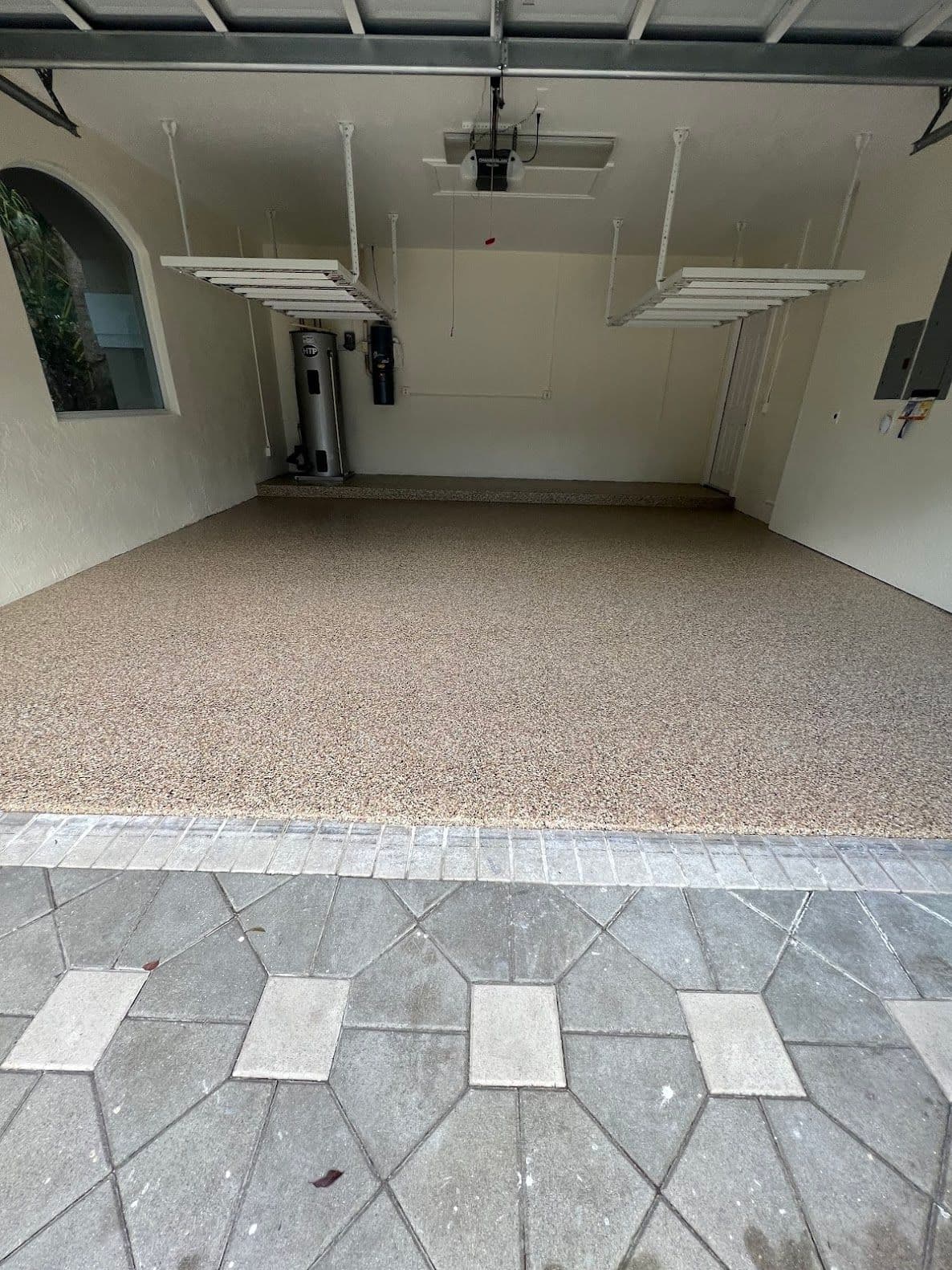
We had both of our garages done and an outdoor concrete platform. The crew was courteous and professional. Everyone from Nancy our salesperson to Patrick, the manager, Logan and his crew were outstanding. Our floors look fantastic and we were very happy we chose this company.
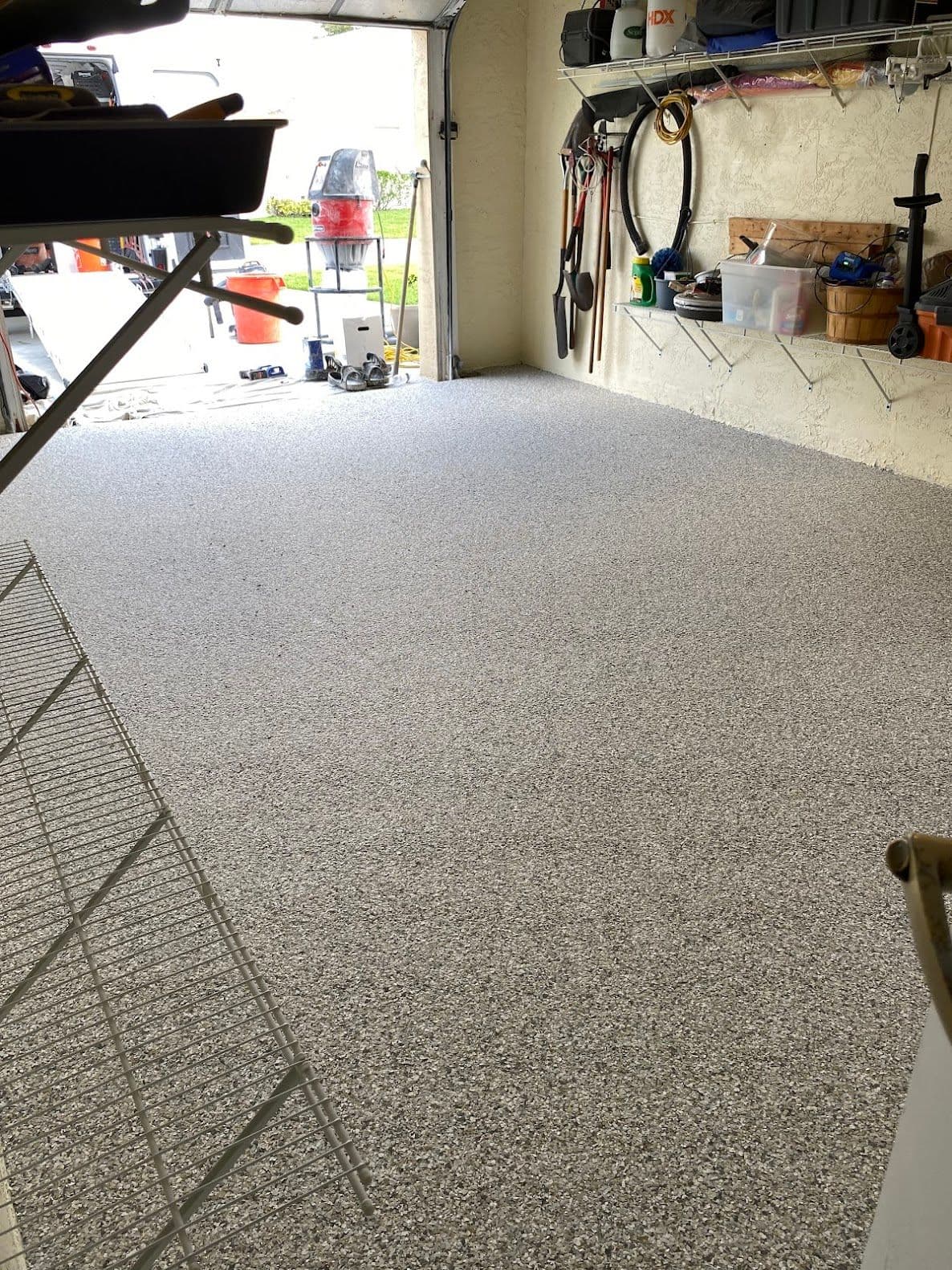
I am very pleased with the quality of work FloorTek has done for me. The two employees that did the actual work were very courteous, worked hard, and explained everything they were doing. Thank you for a great job.
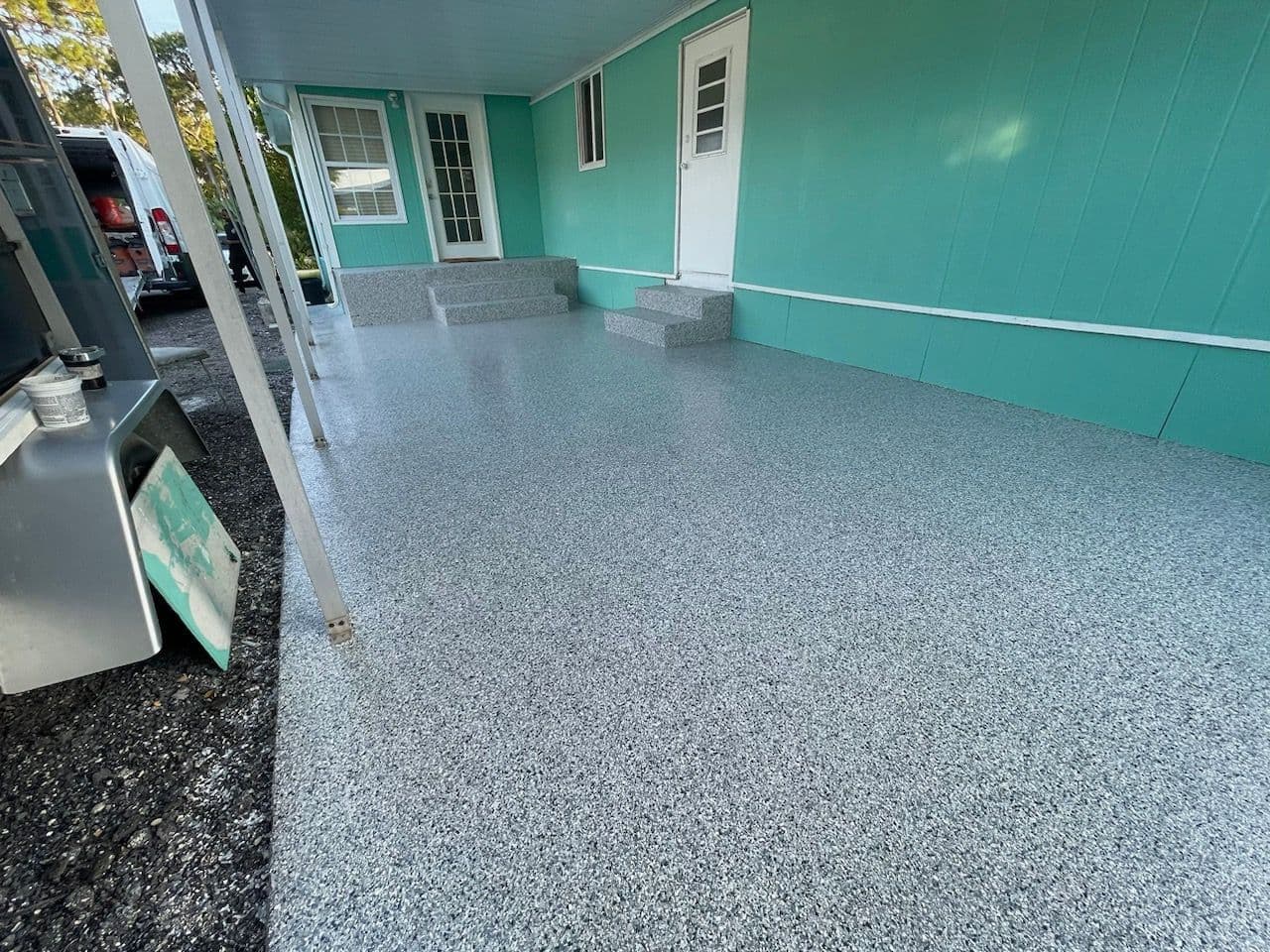
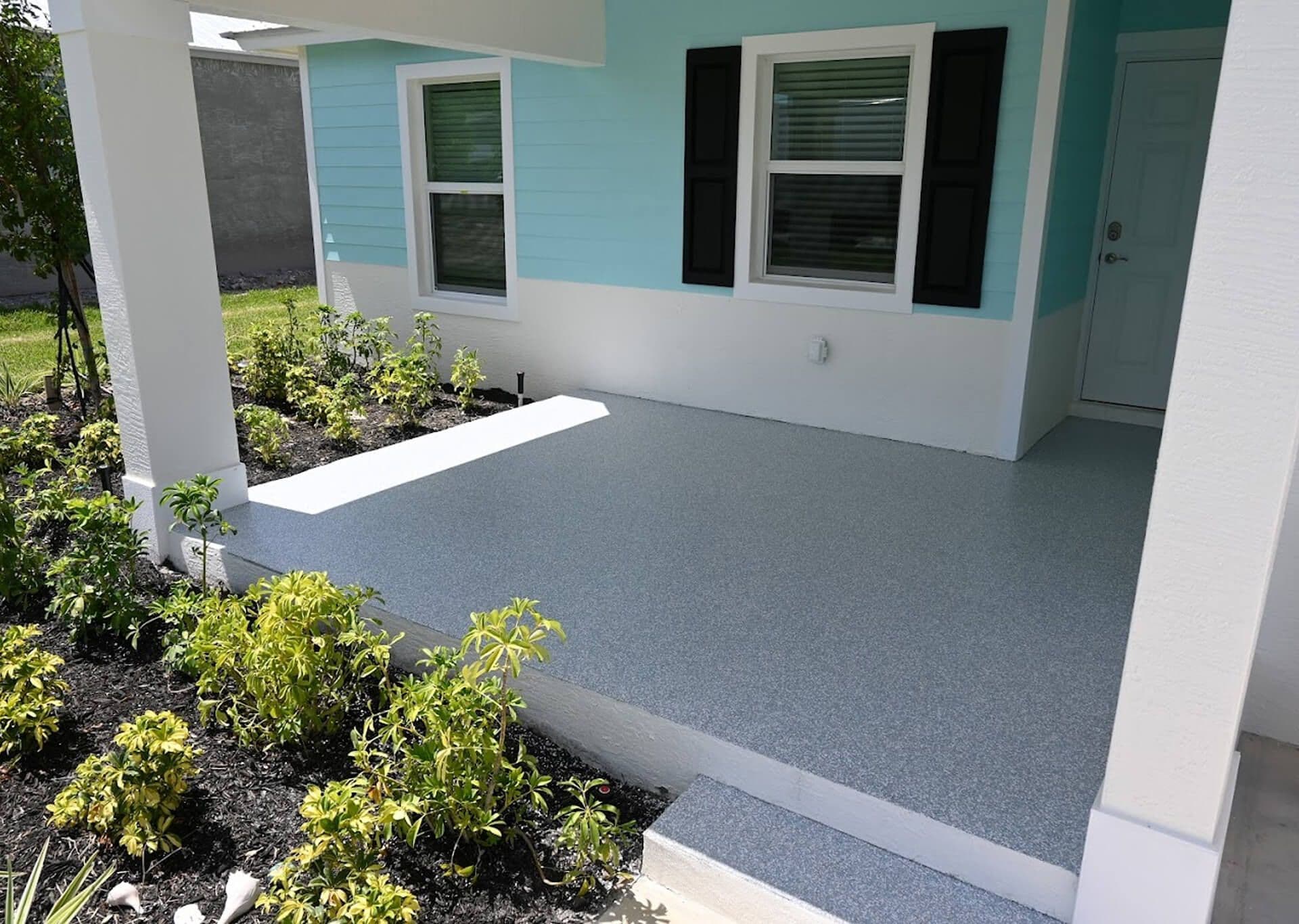
I was happy with the job Floortek did. Good customer communication and customer relationship. My old ugly porch was transformed and I love it. Nancy was very helpful throughout the process. Just know that rain may impact your schedule to make sure the products at highest quality during application.



Contact FloorTek Today