The Definitive Polyaspartic Concrete Coatings Care and Maintenance Guide for Houston Properties
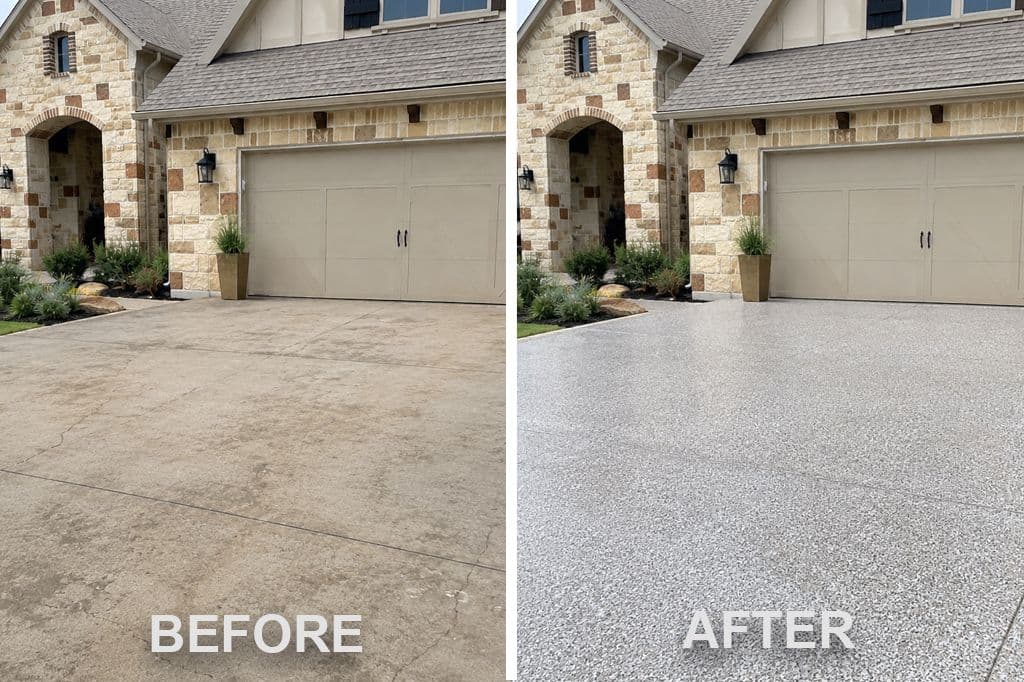
Investing in a premium UV-stable floor system makes it essential to utilize a comprehensive Polyaspartic concrete coatings Care and Maintenance Guide for durability, helping property owners feel assured about long-term performance, especially in the diverse environments of the Gulf Coast region.
Property owners often seek surface solutions that balance rapid installation with multi-decade structural integrity. Traditional concrete sealants often fail prematurely due to thermal shock, delamination, and chemical degradation. To help preserve your investment, our Floor Coating Service uses a state-of-the-art aliphatic polyurea compound that enhances surface resilience while requiring minimal long-term maintenance. This guide details the complete cleaning protocols, preventative measures, and chemical behaviors necessary to maximize your architectural investment.
Understanding the Architecture of High-Performance Polyaspartic Technology
To properly maintain an advanced polymer floor, one must first understand its structural makeup. Polyaspartic technology represents a significant evolution in resinous material science, engineered specifically to replace legacy coatings that degrade under mechanical stress and environmental exposure.
Architectural Differences Defining Why Polyaspartic Outperforms Epoxy
Traditional floor applications rely on outdated epoxy chemistry. Epoxy floor coatings are inherently brittle, susceptible to ambering under solar radiation, and slow to achieve full mechanical cure. When comparing these materials, polyaspartic technology exhibits physical characteristics that establish complete superiority over legacy resins:
Polyaspartic finishes are 10X stronger than epoxy, providing superior resistance to impact and point-loading forces.
Epoxy resins undergo molecular degradation under solar ultraviolet light, which can cause yellowing or ambering, diminishing visual appeal. In contrast, polyaspartic chemistry is inherently UV-stable and maintains optical clarity, helping your floors look new longer.
Traditional epoxy installations require multi-day drying periods, while our advanced system enables a highly efficient 1-Day installation.
Epoxies crack under sudden thermal expansion, while polyaspartic films remain flexible enough to tolerate standard concrete shifting.
Chemical Resilience and Cross-Linking Properties
The underlying strength of our formulation lies in its aliphatic polyurea backbone. The ester-linked amine molecules react precisely with aliphatic isocyanates to build an incredibly tight cross-linked network. This dense molecular structure prevents liquid penetration, making the surface exceptionally Chemical Resistant to aggressive fluids such as motor oil, hydraulic fluid, brake cleaner, and localized chemical spills.
According to research from the National Institute of Standards and Technology (NIST), high cross-linking density in polymer networks reduces material permeability. This low permeability prevents contaminants from penetrating the substrate, allowing property owners to easily wipe away harsh compounds during regular maintenance easily.
Post-Application Care and the Initial Chemical Curing Milestones
The longevity of a floor coating depends heavily on the first few hours after its initial application. Although our polymer technology cures exceptionally fast, following a strict return-to-service schedule prevents early mechanical stress from damaging the material before it achieves full cross-linking density.
The Critical Twenty-Four-Hour Foot Traffic Window
Our professional crew provides a specialized One Day Floor Coating Service that minimizes property downtime. After our team completes the multi-step installation process, the chemical transformation progresses rapidly:
At 2 to 4 hours post-application: The surface is typically dry to the touch, and airborne dust will no longer adhere to the topcoat.
At 4 to 8 hours post-application: The polymer can support light pedestrian foot traffic. Maintenance staff or homeowners must ensure pets, shoes with hard soles, and sharp objects remain completely off the floor.
At 24 hours post-application: Full pedestrian traffic is permitted, and light storage items can be carefully moved back onto the surface.
To see real-world examples of completed projects right after application, visit our Floortek Gallery.
Vehicle Loading Safety and Full Curing Mechanics
Heavy mechanical assets, such as trucks, trailers, and machinery, exert massive point-loading forces that can compromise a curing polymer. We require waiting a minimum of 48 hours before driving or parking vehicles on the newly coated surface. On hot, humid summer days, allowing 72 hours provides an extra safety margin for the concrete interface to stabilize.
During this timeframe, the material achieves its ultimate tensile strength, ensuring it can easily handle heavy vehicular traffic without risk of delamination or localized compression damage.
Deconstruction of the Daily Surface Cleaning Workflow
Consistent maintenance gives facility managers and staff confidence that their protective topcoat will continue to perform well, preventing issues caused by environmental contaminants over time.
Dry Grit Extraction Protocols for Gulf Coast Properties
Windborne sand, clay dust, and fine grit function like sandpaper under heavy vehicle tires and pedestrian traffic. Regular dry debris removal prevents these micro-abrasives from scratching the clear coat.
Frequency: Execute dry sweeping at least twice per week in residential garages, and daily in high-traffic commercial zones.
Tool Selection: Use a soft-bristle push broom or a microfiber dust mop. Avoid broom heads with stiff plastic or wire bristles, as they can create micro-scratches over time.
Technique: Work in continuous, overlapping rows, moving debris toward a collection point. Do not use mechanical vacuums with rigid, unprotected plastic heads or rotating beater bars.
Wet Mopping Standards and Chemical Compound Selection
When dry sweeping can no longer remove bound grime, wet mopping is required. The non-porous nature of the polyaspartic film allows dirt to release easily without harsh chemicals.
Solution Preparation: Mix 5 ounces of clear, non-sudsing ammonia into 1 gallon of clean, lukewarm water. Alternatively, select a certified pH-neutral, film-free resinous floor cleaner.
Application: Saturate a microfiber string mop in the cleaning solution, wring it out until it is damp, and clean the floor using a standard figure-eight motion.
Forbidden Agents: Never use citrus-based cleaners, white vinegar, or highly acidic commercial solutions. These compounds can chemically dull the glossy finish.
The Soap Film Warning: Avoid standard dish soaps and oil-based detergents. These products leave behind a microscopic film that catches dirt, clouds the finish, and turns slick when exposed to moisture.
Rinsing Phase: Clean the mop head frequently in a separate bucket of fresh water to prevent dirty water from spreading back across the clean floor.
Property owners in Houston, Katy, Sugar Land, and surrounding areas face unique environmental challenges, such as high humidity and heavy rainfall, making tailored maintenance essential for lasting performance.
Property owners face unique environmental challenges in areas like Houston, Katy, Sugar Land, The Woodlands, Cypress, Pearland, Pasadena, and Kingwood. The combination of high ambient humidity, heavy rainfall, and expansive clay soils places intense structural stress on concrete substrates.
Mitigating Substrate Moisture Migration and Vapor Pressure
High soil moisture can generate hydrostatic pressure within concrete slabs, forcing water vapor upward toward the surface. If this vapor is trapped beneath an inferior coating, such as standard epoxy, the pressure can cause the film to bubble and peel away.
To protect against this subterranean moisture pressure, our installation protocol includes a specialized step. To prevent moisture damage, we basically have to add an extra layer called a vapor barrier. This specialized base layer blocks upward moisture transmission, creating a durable bond with the concrete that keeps our high-performance topcoat secure for decades.
For a deeper dive into how local weather impacts these systems, read our technical article on How Humidity and Heat Affect Concrete Floor Coatings.
Managing Thermal Expansion and Soil Subsidies
The heavy clay soils common to Southeast Texas expand and contract dramatically between heavy rainstorms and dry summer spells. This constant shifting causes concrete foundations to move and develop stress fractures. While brittle epoxy coatings often crack right along with the underlying concrete, our flexible polyaspartic formula accommodates minor substrate movements without tearing.
For properties with pre-existing foundation stress, we evaluate the substrate to determine structural viability. Learn more about our repair approach by reading Can You Coat a Severely Cracked Concrete Driveway?.
Advanced Material Preservation and Damage Mitigation Controls
While our flooring systems are exceptionally tough, following standard maintenance steps helps prevent avoidable physical damage and maintains your long-term warranty protection.
Eliminating Plasticizer Migration and Hot Tire Contamination
Some modern high-performance tires contain chemically active plasticizers designed to keep the rubber soft and pliable. When a vehicle parks after a long drive on hot pavement, these hot tires can leach plasticizers into the floor coating. Over time, this migration can leave faint yellow stains on inferior floor finishes.
Prevention Strategy: Our premium polyaspartic formula is engineered to resist hot-tire staining.
Best Practice: For high-performance racing tires or heavy commercial vehicles, park on low-profile breathable floor mats during the hottest summer months to minimize prolonged chemical contact.
Cleaning Hot Tire Tracks: Wipe away any tire residue immediately using a microfiber cloth dampened with our recommended clear ammonia solution.
Structural Load Distribution and Mechanical Impact Defenses
Our heavy-duty finishes are designed to handle dropped tools, heavy equipment, and active mechanical work. However, implementing smart load distribution steps helps protect the floor's premium aesthetic:
Under Heavy Machinery: Place wood blocks or specialized rubber pads beneath heavy jack stands, engine hoists, and metal tool chests to distribute high point loads.
When Moving Equipment: Never drag heavy steel frames, metal storage racks, or broken machinery directly across the floor. Always use clean wheeled dollies or lift the items completely clear of the surface.
Weld Splatter Protection: Our coatings handle short-term heat exposure, but continuous welding sparks can mar the topcoat. Always lay down a protective welding blanket over the floor when working on hot fabrication projects.
Structural Target Applications and Specialized Field Maintenance
Every architectural zone has its own unique maintenance needs based on layout, usage, and weather exposure.
Comprehensive Garage Floor Upkeep and Maintenance Execution
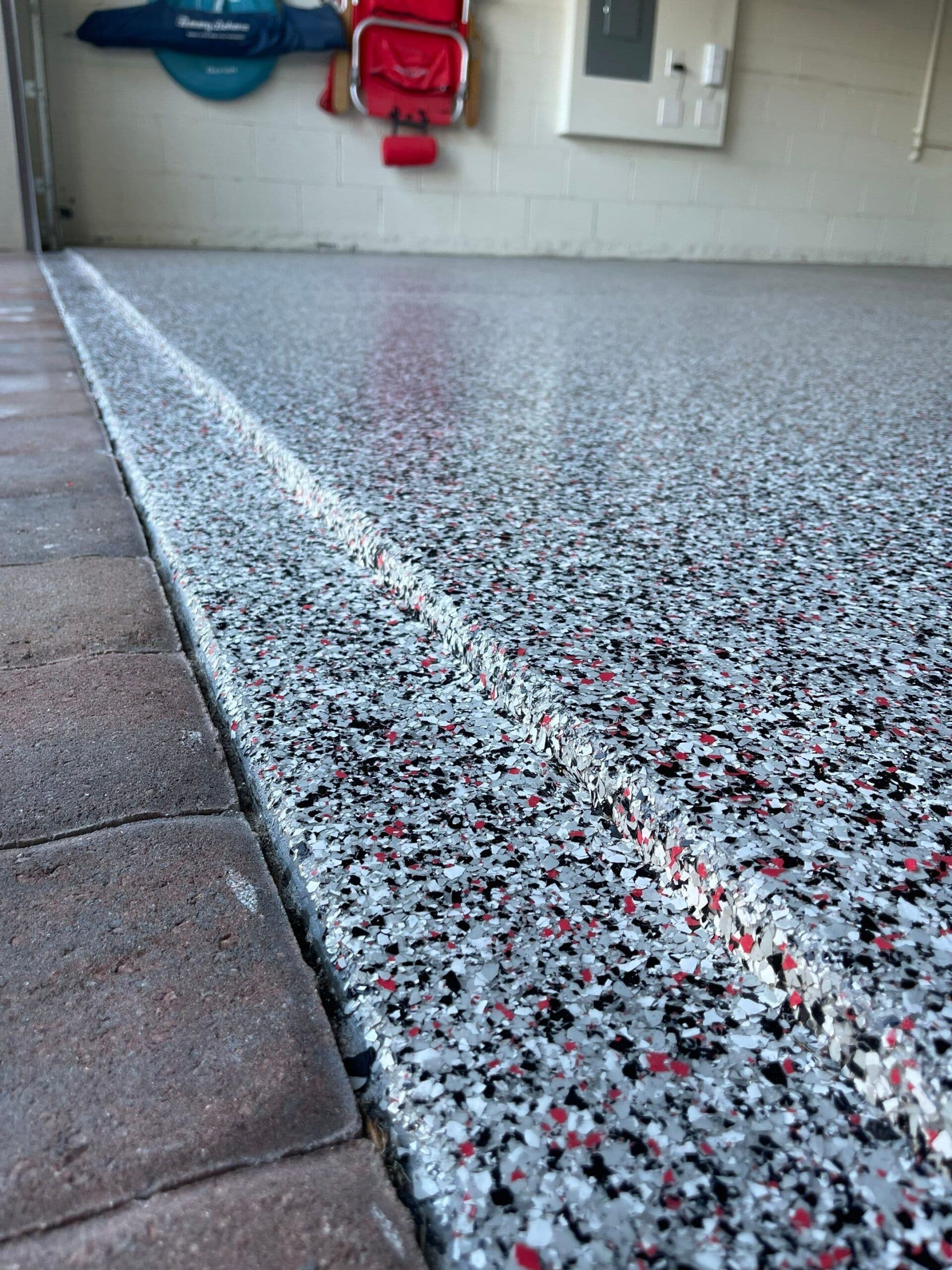
Garages experience a mix of heavy vehicles, foot traffic, and drips of automotive fluids. To maintain your garage floor, utilize our specialized Garage Floor Coating Service in Houston, Texas,m alongside regular care:
Fluid Spills: Clean up any leaked motor oil, radiator fluid, or gasoline within 24 hours using a paper towel or microfiber cloth.
Battery Acid Safety: While our surfaces are highly Chemical Resistant, wipe away highly corrosive sulfuric battery acid immediately to prevent localized surface etching.
Texture Integrity: Keep the decorative chip profile clean by sweeping out any trapped dust with a medium-stiff natural-bristle broom.
Exposed Open-Air Patio Surface Maintenance Strategies
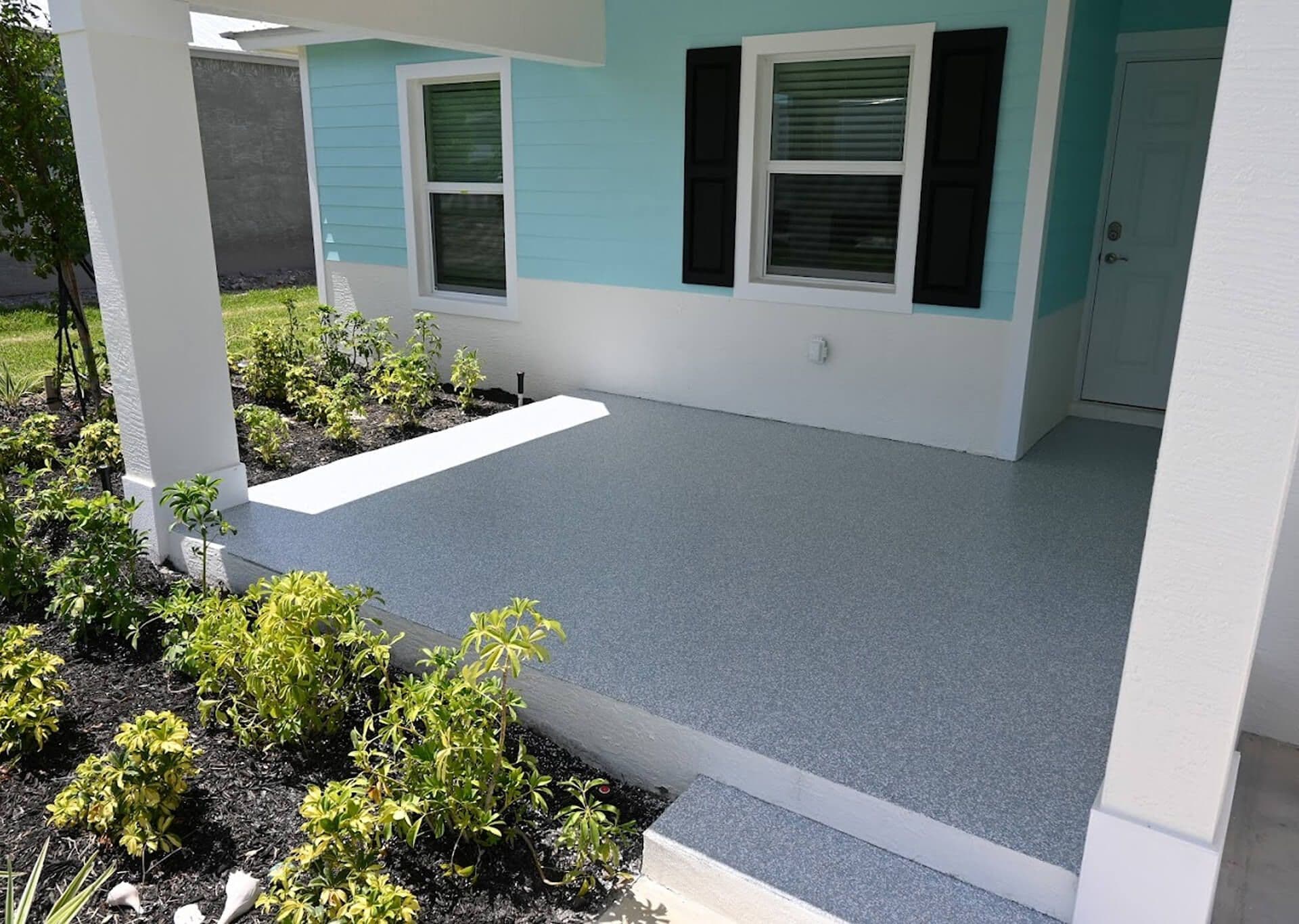
Outdoor living spaces face constant exposure to sunlight, heavy downpours, and organic debris. Our Patio Floor Coating Service in Houston, Texas features a fully UV-stable formula that withstands the elements without yellowing or chalking.
Organic Stain Prevention: Clean away fallen leaves, bird droppings, and potting soil quickly to prevent natural tannins from staining the surface.
Clearing Standing Water: Use a firm rubber floor squeegee to push standing rainwater off the patio after severe storms.
Algae Management: If shade causes a light layer of mildew or algae to form, clean the area using a soft deck brush and our standard diluted ammonia mixture.
High-Stress Driveway Preservation Workflows
Driveways handle the heaviest physical wear, from baking under the direct Texas sun to enduring rolling vehicle loads. Our Driveway Floor Coating Service in Houston, Texas, is designed to protect your concrete driveway for the long haul.
Debris Cleardown: Use a leaf blower to quickly clear away grass clippings, dirt, and twigs after landscaping work.
Chemical Spill Management: Wipe up oil drips from visiting vehicles with a mild degreaser and a soft-bristle brush, then rinse with clean water
Hard Water Spots: Avoid letting lawn sprinklers leave standing tap water on the driveway, which can deposit mineral scaling over time.
Pedestrian Walkway and Sidewalk Preservation Systems
Commercial walkways and residential entryways experience constant foot traffic and are exposed to outdoor weather conditions every day. Maintaining these pathways with our Sidewalk Floor Coating Service in Houston, Texas keeps your property's exterior looking sharp and professional.
Daily Upkeep: Sweep away dirt, mulch, and twigs to keep paths clear for pedestrians.
Power Washing Guidelines: When pressure washing is needed to clean off thick mud, keep the spray nozzle at least 12 to 18 inches away from the floor, and limit pressure to under 2500 PSI to protect the clear coat finish.
Subterranean and Basement Substrate Conservation Plans
Basement floors are surrounded by underground soils, making them highly susceptible to moisture transmission and ambient dampness. Our Basement Floor Coating Service in Houston, Texas, creates an easy-to-clean, non-porous floor system that handles these conditions perfectly.
Humidity Control: Run a dehumidifier in below-grade rooms to keep indoor humidity below 60 percent, preventing airborne mold from settling onto dust on surfaces.
Cleaning Workflows: Use a damp microfiber mop with a pH-neutral cleaner to keep the space clean without generating excessive standing water.
Perimeter Pool Deck Maintenance and Chemistry Control
Pool decks are exposed to splash-out water, pool chemicals, and constant sunlight. Applying our Pool Deck Floor Coating Service in Houston, Texas, protects the underlying concrete slab from chemical wear and water damage.
Handling Pool Chemicals: Rinse away concentrated chlorine spills, acid balance treatments, and salty splash-out water with fresh hose water after busy pool days.
Sunscreen Oils: Clean off body oils and sunscreen overspray regularly using a mild, non-filming detergent to keep the surface bright and clear.
Frequently Asked Questions:
What are the common problems with concrete floor coatings and how to avoid them using a Polyaspartic concrete coatings Care and Maintenance Guide?
YES. Delamination, moisture bubbling, and yellowing from UV rays are the most common issues with cheap coatings. Property owners can easily avoid these issues by choosing our polyaspartic formulas over cheap epoxy alternatives. Following our comprehensive maintenance guide helps protect your floor investment over the long term. Our advanced systems include built-in UV stability and superior moisture resistance to prevent these issues from developing. For detailed testing data on polymer weathering and UV stability, consult the solar energy material standards from the National Renewable Energy Laboratory (NREL).
How does a Polyaspartic concrete coating's Care and Maintenance Guide protect garage finishes?
YES. A dedicated maintenance plan helps prevent abrasive wear that dulls the glossy, clear coat. Regular cleaning keeps sand and grit from scratching the floor surface. Choosing Floortek Coatings ensures you receive a high-performance floor backed by a clear care plan. Our system is designed to keep your garage looking great with minimal effort.
Can a Polyaspartic concrete coating's care and Maintenance Guide prevent hot tire damage?
YES. Proper maintenance protocols, combined with our advanced formulation, eliminate hot-tire pickup issues. Cheap epoxy floor coatings often peel up under hot car tires, but our polyaspartic products handle high tire temperatures with ease. Keeping your floor clean ensures it remains fully protected against tire chemicals. Learn more about our high-durability floor options on our page about Our Coating Products.
Should commercial facilities follow a Polyaspartic concrete coatings Care and Maintenance Guide weekly?
YES. High-traffic commercial facilities should clean their floors weekly to remove dirt and maintain the coating's high-end look. Regular care prevents grime buildup and ensures the floor withstands heavy daily use. Our professional teams install durable commercial surfaces across all Floortek Locations. Following our maintenance steps keeps your commercial space looking clean and inviting.
Does a Polyaspartic concrete coatings Care and Maintenance Guide exclude the use of citrus cleaners?
YES. Acidic citrus cleaners can dull the clear topcoat over time, so we advise against using them. Stick to pH-neutral floor cleaners or clear ammonia solutions to keep your floor looking its best. Our polyaspartic coatings deliver incredible durability without the need for harsh chemicals. Check out our selection of Colors and Flake Options to find a style that fits your space perfectly.
Will following a Polyaspartic concrete coatings Care and Maintenance Guide preserve the coating warranty?
YES. Consistent maintenance ensures you stay fully covered under our extensive long-term warranty program. Avoiding prohibited cleaners and preventing physical abuse helps keep your coverage secure for years to come. We protect our customers' investments with an industry-leading Floor Coating Warranties package. This warranty guarantees your floor will perform beautifully year after year.
Is a Polyaspartic concrete coatings Care and Maintenance Guide helpful for treating oil spills?
YES. Our care guide details how to easily wipe up oil, gasoline, and fluid spills without leaving stains behind. Because our polyaspartic topcoat is completely non-porous, fluids cannot penetrate the surface. Clean up spills within 24 hours using a paper towel to keep your floor pristine. For information on safe storage and cleanup of garage chemicals, visit the Environmental Protection Agency (EPA).
Does the Doesthea Polyaspartic concrete coatings Care and Maintenance Guide advise against pressure washing?
NO. You can safely pressure-wash our outdoor surfaces as long as you use wide-fan tips and keep the pressure under 2500 PSI. Avoid using tight, pinpoint nozzles or ultra-high-pressure settings, which can cause surface wear. Our polyaspartic coatings handle standard pressure washing easily, making outdoor cleanup quick and simple. For complete safety guidelines on using pressure washing equipment around residential structures, check the Consumer Product Safety Commission (CPSC).
Can a homeowner use household vinegar per the Polyaspartic concrete coatings Care and Maintenance Guide?
NO. Household vinegar is highly acidic and can etch the glossy, clear coat over time. Use a dilute,d clear ammonia solution instead to safely break down grease and grime without harming the finish. Our polyaspartic formulas are built for daily use, but avoiding acidic cleaners helps keep them looking shiny and new. Discover more about our company by reading About us.
Why is ambient humidity a factor in a Polyaspartic concrete coatings Care and Maintenance Guide?
YES. High humidity can affect how quickly floors dry and can trigger underground moisture pressure within concrete foundations. Our teams handle these conditions by adding a protective vapor barrier layer before applying the topcoat. This step ensures your floor remains perfectly bonded, even in hot, damp coastal climates. For detailed geological info on how climate impacts building foundations, consult the United States Geological Survey (USGS).
Secure Your Architectural Investment Today
Do not leave your floor protection to chance with weak, outdated epoxy materials. Upgrade your property with a premium system from Floortek Coatings. Enjoy the confidence of a Manufacturer-direct value product backed by a lifetime warranty.
Take advantage of our current special offer: get 30% off your first installation! Our expert crews deliver a premium 1-Day installation that updates your space with minimal downtime.
Ready to transform your floors? Call our local team directly at 1-346-550-9307 or reach our main office at 844-844-4164. You can also visit our local facility at 4109 Katy Hockley Rd #1, Katy, TX 77493, or jump online to contact us today for your free, no-obligation surface estimate!
FREE In-Home Estimate
Plus 30% Off
Testimonials
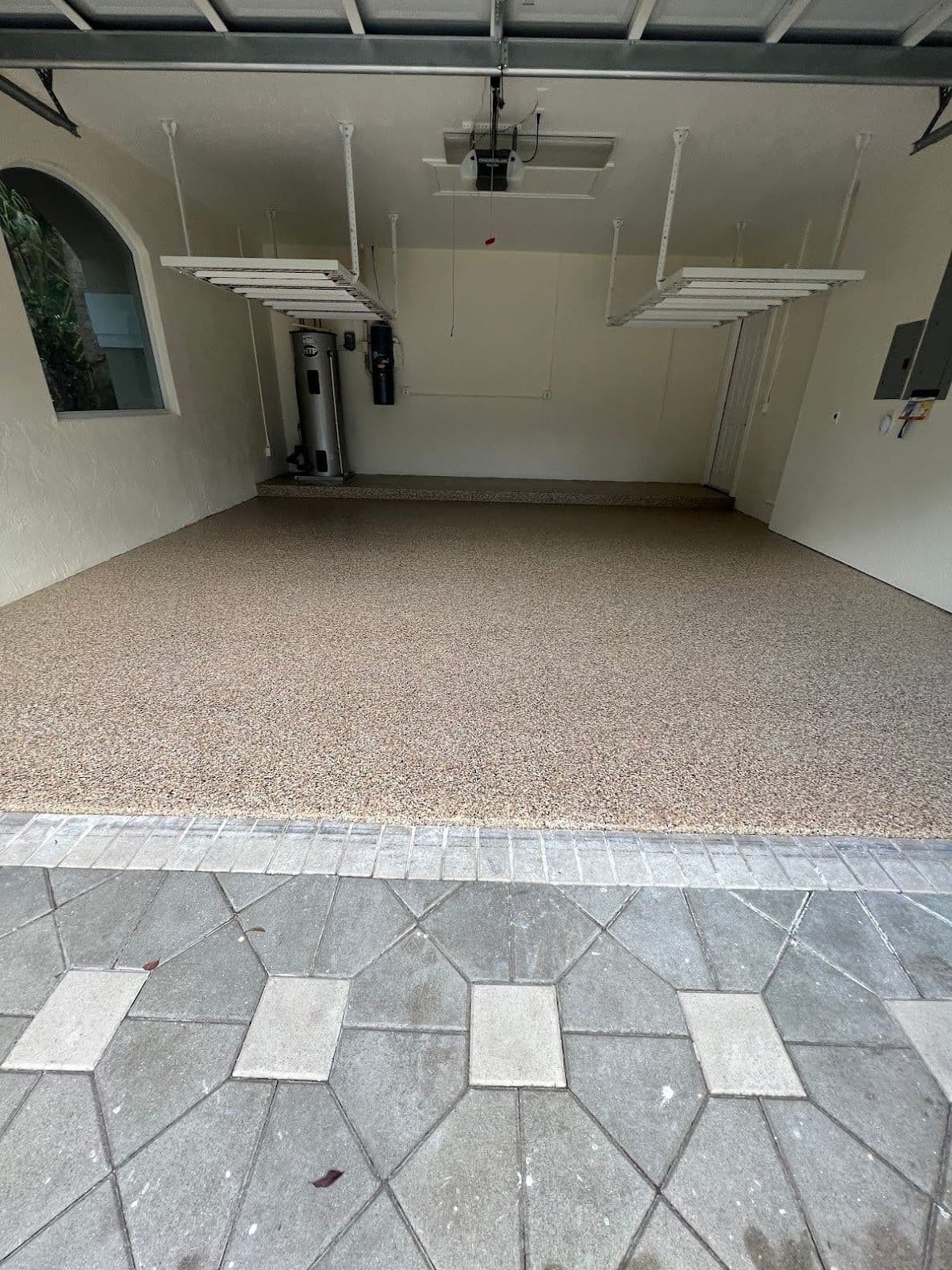
We had both of our garages done and an outdoor concrete platform. The crew was courteous and professional. Everyone from Nancy our salesperson to Patrick, the manager, Logan and his crew were outstanding. Our floors look fantastic and we were very happy we chose this company.
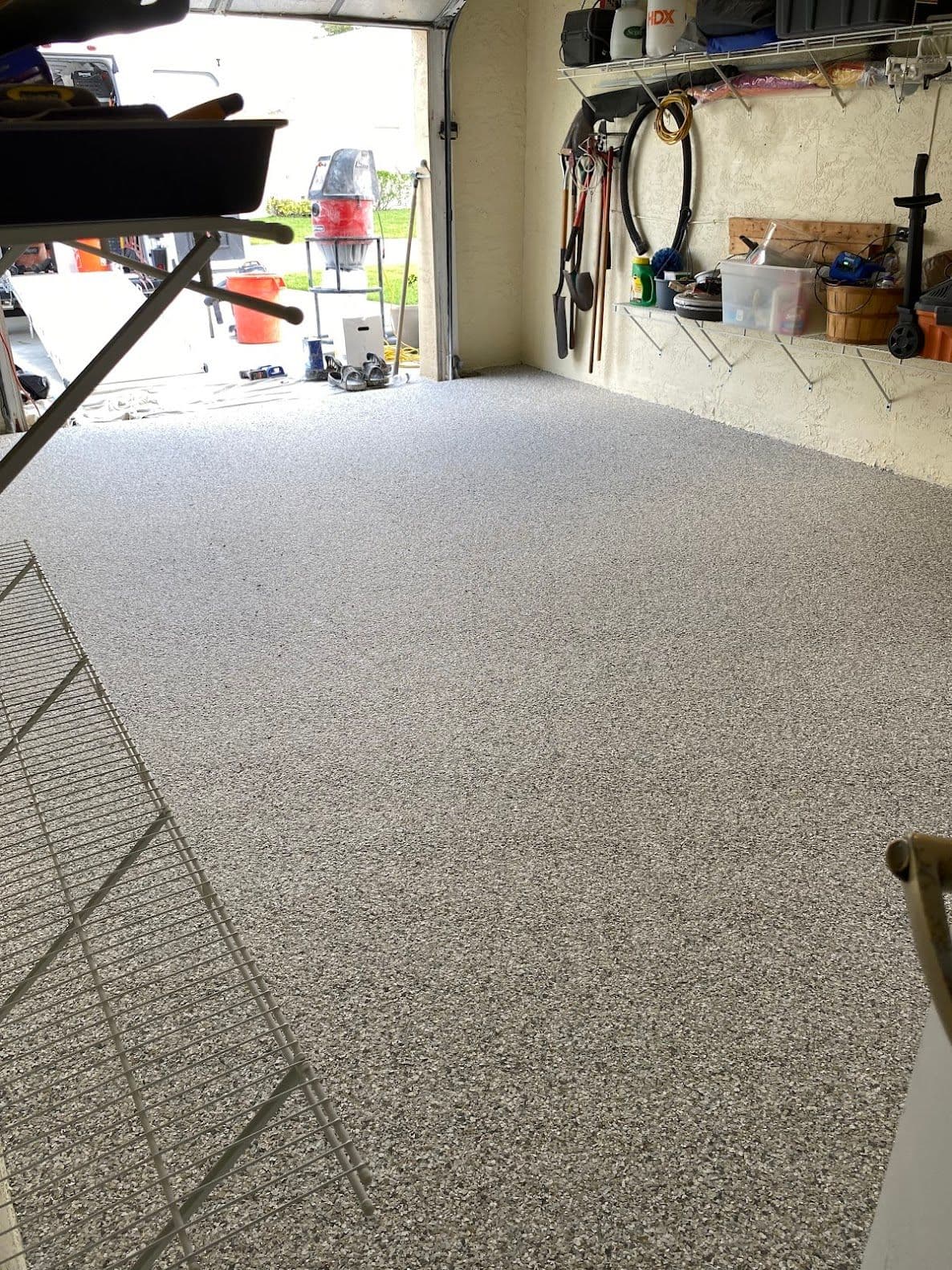
I am very pleased with the quality of work FloorTek has done for me. The two employees that did the actual work were very courteous, worked hard, and explained everything they were doing. Thank you for a great job.
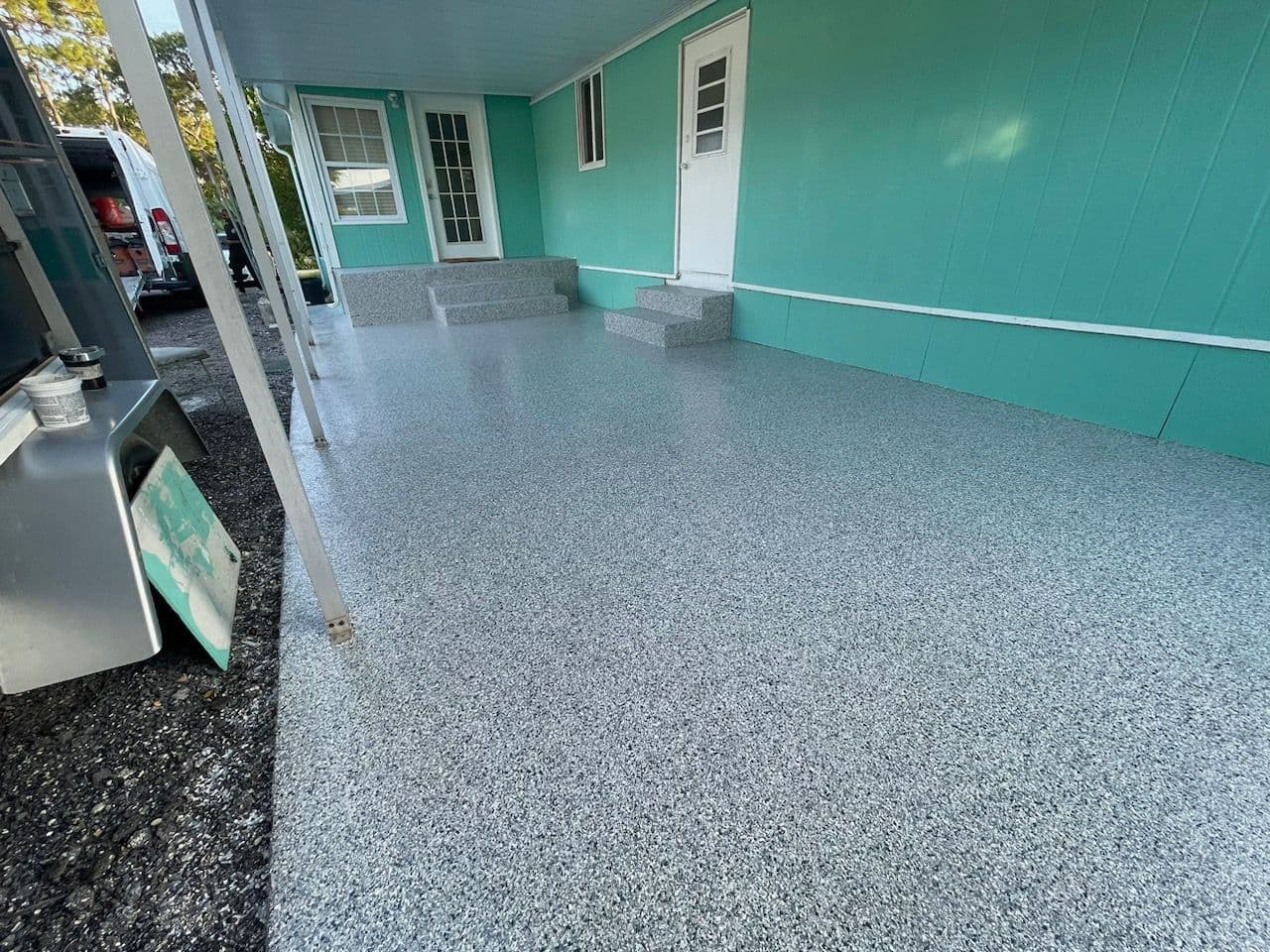
I was happy with the job Floortek did. Good customer communication and customer relationship. My old ugly porch was transformed and I love it. Nancy was very helpful throughout the process. Just know that rain may impact your schedule to make sure the products at highest quality during application.



Contact FloorTek Today