The Engineering Guide to Extend Their Lifespan Coated Concrete Floors in Houston, Texas
Commercial operators and homeowners continually seek reliable methods to extend the lifespan of coated concrete floors in high-use environments. Selecting a professional company for concrete floor coating services ensures your concrete surfaces survive extreme mechanical wear and local environmental variables over decades of continuous service.
Structural Overview of Floor Longevity
Concrete slabs look completely solid to the naked eye. However, concrete is a highly porous, stone-like material filled with microscopic pathways, capillaries, and interconnected voids. When a slab is poured on the ground, it acts like a dense sponge that constantly interacts with ground moisture, surface impacts, and chemical exposures. Without deep-penetrating protection, untreated concrete surfaces experience dusting, cracking, and surface spalling under normal stress.
Applying a high-performance protective layer alters the surface dynamics of the concrete slab. The coating fills open pores, stops surface dusting, and creates an impervious shield against mechanical forces. To fully maximize this protection, facility managers must understand the structural relationship between the concrete substrate and the top resin layer. The overall performance relies entirely on establishing a permanent mechanical bond that prevents the coating from lifting or peeling away over time.
Houston Environmental Factors Affecting Concrete Coatings
Regional weather conditions heavily dictate the long-term durability of floor coatings. Slabs across Southeast Texas face a unique set of harsh climate challenges that require specialized materials engineering.
High Relative Humidity and Concrete Vapor Pressures
The coastal subtropical climate of the Greater Houston area produces high relative humidity year-round. This atmospheric moisture creates a constant imbalance between the outdoor air and the interior concrete slab. When humid air contacts a cool concrete slab, moisture condenses on the surface. More importantly, high groundwater tables force liquid moisture upward through the concrete slab via capillary action.
As moisture moves up through the slab, it reaches the underside of the floor coating. Ambient heat causes this trapped water to turn into vapor, building up immense hydrostatic pressure. If the coating material lacks exceptional tensile strength, this pressure tears the coating away from the concrete. This structural breakdown results in severe blistering, bubbling, and complete delamination of the protective surface.
Soil Expansion and Substrate Movement in Southeast Texas
The geography across cities like Sugar Land, Cypress, and Pearland contains high concentrations of expansive clay soils. These soils swell significantly when wet and shrink during the dry summer months. This continuous shifting causes slab-on-grade concrete foundations to move, flex, and develop structural stress cracks.
Standard rigid floor coatings cannot cope with this recurring sub-grade movement. When the underlying concrete moves or cracks, a brittle coating will crack right along with it. To prevent this issue, modern floor systems must possess advanced elongation properties. The coating must flex along with minor concrete movements to bridge minor cracks without tearing or breaking the protective seal.
Material Chemistry: Polyaspartic vs Outdated Epoxy
Selecting the proper polymer chemistry is the most critical decision when planning a long-lasting floor project. Standard epoxy coatings have served as the historical baseline for decades, but modern polyaspartic technology completely outperforms old epoxy materials in every durability category.
Elongation Properties and Tensile Strength Differences
Standard epoxy coatings cure into an exceptionally hard, rigid, and brittle plastic layer. While this rigidity handles static loads, it leaves the floor vulnerable to impact damage and cracking. Epoxy coatings lack the flexibility required to survive sudden impacts from dropped tools or heavy machinery.
Polyaspartic coatings utilize an advanced aliphatic polyurea formulation. This chemical structure provides high impact resistance and superior flexibility. Polyaspartic finishes are engineered to be 10X stronger than epoxy while maintaining excellent elasticity. This allows the coating to withstand heavy impacts and accommodate concrete slab expansion without chipping or fracturing.
Thermal Shock and Hot Tire Resistance Profiles
Vehicles driven across areas like The Woodlands or Kingwood park on garage floors with tires heated by long highway commutes. When hot tires park on a standard epoxy floor, the heat softens the epoxy resin. As the tires cool, they contract and physically grip the softened epoxy surface. When the vehicle drives away, the tire pulls the epoxy coating right off the concrete substrate. This common failure mode is known as hot tire pickup.
Polyaspartic coatings exhibit exceptional thermal stability. They do not soften when exposed to hot vehicle tires, heavy machinery exhaust, or hot water washdowns. Our coating products retain their chemical structure across an expansive temperature range, completely preventing hot tire peel-off. Furthermore, polyaspartic chemistry is completely UV Stable. It will not yellow, fade, or chalk when exposed to direct sunlight through open garage doors or windows, or in outdoor installations.
Polyaspartic coatings offer full UV stability for outdoor exposure.
Epoxy coatings turn amber and degrade under ultraviolet light.
Polyaspartic finishes remain highly flexible, preventing cracking under impact.
Epoxy coatings become increasingly brittle over time in service.
Polyaspartic formulas completely resist hot tire pickup.
Epoxy systems often delaminate under the hot tires of vehicles.
Technical Substrate Preparation Protocols
Achieving long-term durability requires flawless surface preparation before applying a concrete floor coating. Over 90 percent of all premature floor coating failures stem directly from improper or skipped surface preparation steps.
Mechanical Diamond Grinding and Surface Profiling
Applying a high-performance coating directly onto a smooth, unpolished concrete floor will result in rapid delamination. The coating cannot stick to tight, non-porous concrete surfaces. Chemical washing with acid etching is an outdated, inconsistent method that often leaves harmful chemical residues inside the concrete pores.
Professional installers utilize heavy planetary diamond grinding machines equipped with specialized diamond segments. This mechanical grinding process profiles the concrete by removing the weak top layer, including laitance, curing compounds, and old sealers. The process opens the concrete's internal pore structure, creating a textured surface profile. This profile allows the liquid base coat to sink deep into the concrete, forming a powerful mechanical lock.
Evaluating Moisture Vapor Transmission Rates
Before mixing any coating materials, technicians must measure the moisture levels inside the concrete slab. High moisture content inside the concrete will ruin a fresh coating application if it is not addressed during prep. Technicians use specialized testing equipment to measure the moisture vapor emission rate of the concrete floor. This data guides the installation team in treating the concrete to prevent future moisture damage.
Implementing the Mandatory Vapor Barrier System
When testing indicates elevated moisture vapor transmission rates through the concrete slab, standard coatings cannot be applied directly. To prevent moisture damage, we basically have to add an extra layer called a vapor barrier. This specialized deep-penetrating epoxy primer layer seals the concrete capillaries. It completely blocks upward hydrostatic pressure, preventing water molecules from reaching the flexible polyaspartic topcoats. This vital step safeguards the floor system against future moisture blistering and delamination.
Application Methodology for Enhanced Longevity
The way a floor system is applied directly determines its overall life expectancy. Industrial-grade formulations require precise mixing, strict environmental controls, and rapid execution to perform perfectly.
The Precision of Professional Floor Coating Service Systems
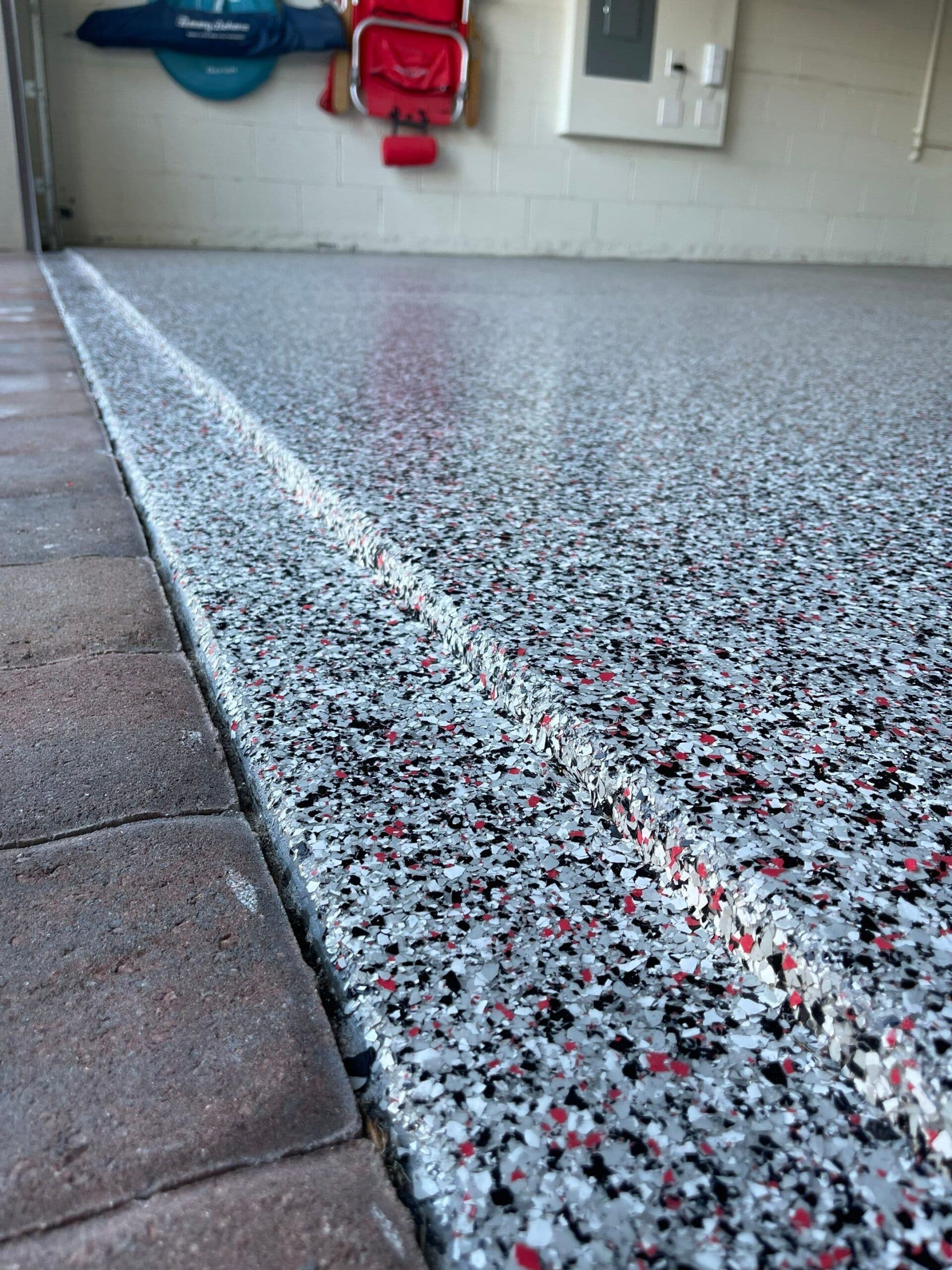
A premium polyaspartic floor system is a multi-layered structure engineered for maximum durability. After diamond grinding opens the concrete pores, installers apply a direct-to-substrate base coat. While this base coat is wet, they broadcast decorative vinyl color flakes to rejection. These flakes add structural thickness, hide surface imperfections, and increase the floor's impact durability.
Once the base coat cures, technicians scrape away excess flakes and apply a high-solids polyaspartic topcoat. This clear topcoat seals the entire flake matrix together, forming a non-porous, Chemical Resistant shield. It prevents oil, gasoline, brake fluid, and harsh industrial solvents from staining or penetrating the floor.
Achieving Rapid Cure with One Day Garage Floor Coating Technology
Old-fashioned multi-coat epoxy systems require several days to apply and cure. Each layer takes 24 hours to dry, leaving the floor vulnerable to dust, bugs, and humidity contamination during installation. This extended downtime disrupts commercial businesses and forces homeowners to leave their belongings outside for a week.
Modern polyaspartic chemistry enables an efficient one-day application for garage floor coatings. The rapid cross-linking technology allows professional crews to grind, repair, prime, flake, and topcoat a concrete floor within a single day. The floor cures quickly, allowing foot traffic within hours and full vehicle traffic within 24 hours. This minimizes surface contamination during installation and delivers a pristine, durable finish.
Maintenance Frameworks to Maximize Protective Coating Lifespan
While advanced polyaspartic floors are incredibly tough, maintaining a regular schedule helps extend their lifespan to its maximum.
Routine Mechanical Cleaning Schedules
Fine dirt, sand particles, and concrete dust act like sandpaper under foot traffic and rolling tires. Over time, this abrasion can dull the glossy finish of a topcoat. Daily sweeping or dry mopping with a soft microfiber pad removes these abrasive particles before they scratch the floor.
For deeper cleaning, use a clean microfiber mop dampened with clear water or a mild, neutral-pH floor cleaner. Avoid using stiff broom bristles or abrasive scrubbing pads, as they can cause micro-scratches on the protective topcoat. Regular, gentle cleaning preserves the floor's deep shine and prevents dirt build-up.
Chemical Exposure Protocols and Neutralizing Agents
Polyaspartic topcoats offer excellent chemical resistance against automotive fluids, household bleach, and mild acids. However, allowing aggressive chemicals to sit on the floor for days can eventually damage the topcoat. Wipe up all chemical spills, oils, and battery acids as soon as they happen.
Avoid cleaning your coated floors with aggressive commercial cleaners, vinegar, citrus-based solvents, or high-acid solutions. These chemicals can break down the polymer bonds over time, leading to a dull finish. Instead, use a simple mix of warm water and a small amount of neutral-pH dish soap to keep your floor clean and protected.
Multi-Industry Deployment across Greater Houston Areas
High-performance floor coatings deliver exceptional durability across a wide range of commercial, industrial, and residential settings in Southeast Texas.
Industrial Facilities and Warehouses in Pasadena and Deer Park
Industrial facilities in Pasadena and Deer Park deal with extreme environments, including heavy forklift traffic, dropped tools, and harsh chemical exposure. In these settings, old-fashioned epoxy floors wear down quickly, requiring frequent repairs and costly downtime.
Upgrading to an advanced polyaspartic system provides the heavy-duty protection these industries need. These coatings withstand continuous heavy loads, resist chemical spills, and remain functional without cracking. Plus, the fast installation means facilities can upgrade their floors over the weekend without stopping production.
Residential Application Performance in Katy and The Woodlands
Homeowners in Katy, Spring, and Conroe demand attractive, low-maintenance garage floors that can withstand heavy traffic, lawn equipment, and seasonal humidity. Our residential installations offer a beautiful, long-lasting solution that outshines old DIY paint kits.
We also offer specialized options to protect other outdoor concrete surfaces around the home:
A premium patio coating service transforms weathered concrete into a beautiful, easy-to-clean outdoor living area.
A professional pool deck coating service protects your pool surrounds from chlorine, salt water, and intense summer sun.
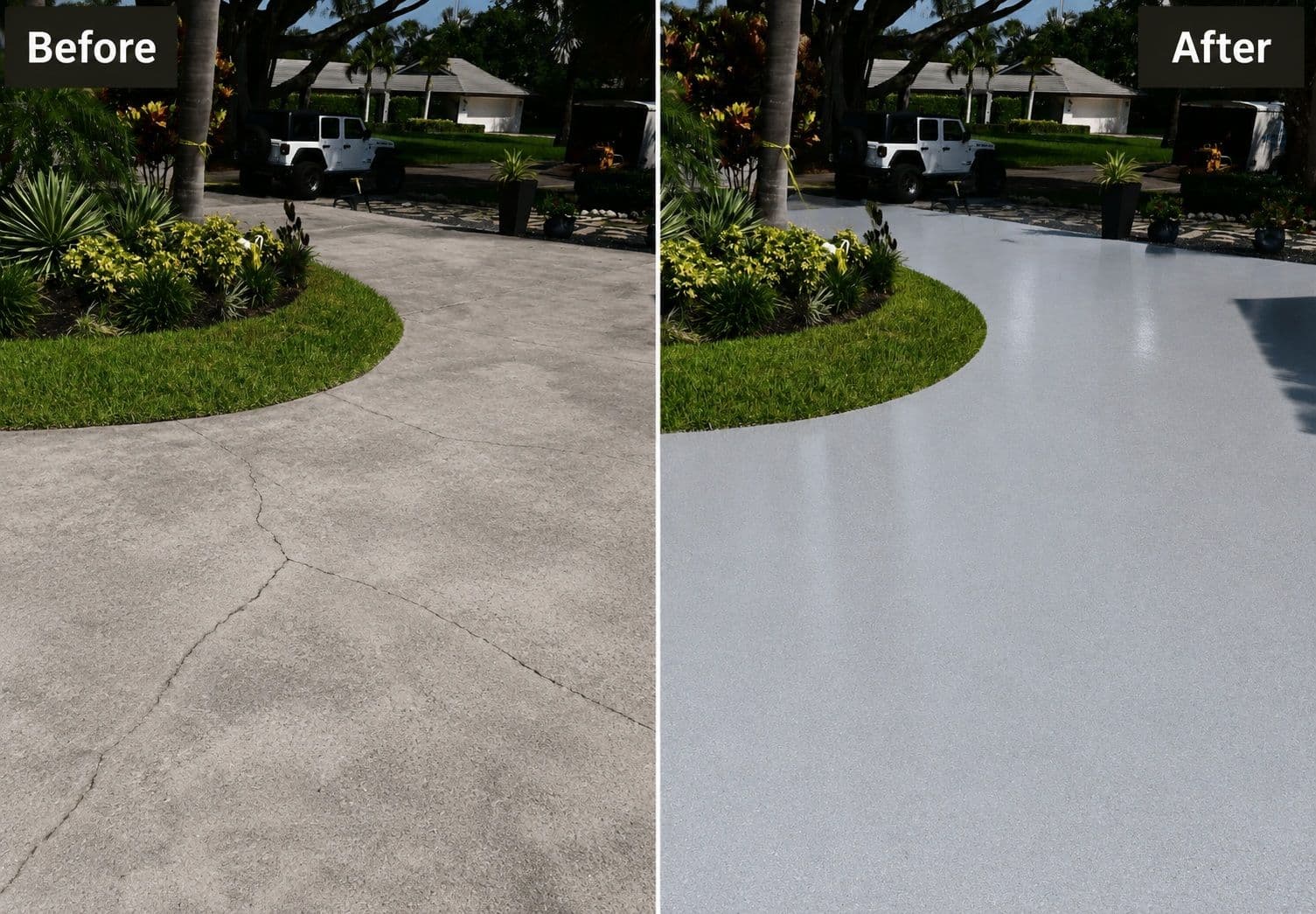
Our driveway coating service guards front concrete entries against hot tire marks and oil leaks.
A specialized sidewalk-coating service keeps neighborhood walkways clean and free of mold and mildew stains.
A durable concrete coating for basement installations stops musty odors and seals out dampness in below-grade rooms.
Summary of High-Performance Floor Systems
Maximizing the lifespan of your concrete floors requires a combination of expert diamond grinding, high-quality polyaspartic chemistry, and a professional installation team. Choosing a high-performance system ensures your floors withstand heavy daily use and seasonal weather changes for years to come.
Frequently Asked Questions:
Can I apply concrete floor coatings myself to reduce overall costs?
NO. You should not try to install commercial-grade polyaspartic systems as a weekend DIY project. High-solids polyaspartic coatings require specialized planetary grinding equipment and expert handling. If you make a mistake during preparation or application, the coating can quickly peel and fail. Choosing a professional crew ensures your coating bonds perfectly and lasts for decades. To protect your home investment, rely on the expert team at Floortek Coatings to install a beautiful, long-lasting floor. You can learn more about these risks by reading this guide: "Can I apply concrete floor coatings myself?" Additional technical information on professional concrete surface-preparation standards is available from the Federal Highway Administration.
What are the primary differences between epoxy and polyurethane concrete floor coatings for industrial use?
Epoxy coatings cure into a hard, rigid, and brittle plastic layer that easily cracks under heavy impacts or shifting foundations. Polyurethane and polyaspartic finishes offer superior flexibility, excellent chemical resistance, and complete UV stability. Polyaspartic options cure much faster, allowing you to complete a project in a single day instead of waiting a week for epoxy. To get the best durability, home and business owners choose polyaspartic systems over outdated epoxy. The team at Floortek Coatings can help you select the ideal high-performance system for your property. Discover the detailed chemistry differences by reviewing our article on the differences between epoxy and polyurethane concrete floor coatings. For more details on polymer material testing, visit the National Institute of Standards and Technology.
How do I maintain and clean coated concrete floors to extend their lifespan?
Regular cleaning is simple and helps extend the lifespan of your floor. Sweep or dust mop your floors daily to remove abrasive dirt and sand particles. For deeper cleaning, mop the surface with warm water and a mild, neutral-pH soap. Avoid using harsh acids, vinegar, or rough scrubbing pads, as they can scratch and dull the clear topcoat over time. Cleaning spills quickly helps keep your floor pristine and beautiful for years. The experts at Floortek Coatings recommend this easy cleaning routine to protect your finish. Learn more about maintaining your floor by reading our guide on how to extend the lifespan of coated concrete floors. For additional guidance on facility maintenance practices, check the resources provided by the U.S. General Services Administration.
What are the best types of concrete floor coatings for garage floors in high-humidity regions?
Polyaspartic floor coatings are the top choice for humid climates like Southeast Texas. Unlike standard epoxy, which traps moisture and easily peels, polyaspartic systems form a strong, breathable bond with concrete. They resist hot-tire pickup, won't yellow in the sun, and withstand heavy daily traffic. Investing in a professional polyaspartic installation keeps your garage looking great despite heat and humidity. Floortek Coatings installs these premium, humidity-resistant floors for homeowners throughout the Houston area. Learn more about choosing the right system by checking out our post on the best types of concrete floor coatings for garages. Discover more about regional soil and climate conditions from the Texas A&M University Extension Service.
What type of concrete floor coating warranties should a commercial facility manager expect?
Commercial managers should look for comprehensive warranties that protect against peeling, blistering, and material defects. Low-cost epoxy installations often come with short, limited warranties that don't cover hot tire damage or moisture issues. Premium polyaspartic systems include long-term commercial warranties or complete life-of-home protection for residential properties. Working with an authorized installer ensures your investment is fully protected for years to come. Floortek Coatings backs every installation with an industry-leading warranty for total peace of mind. Read more about protecting your new floor by checking our article on concrete floor coating warranties. For information on consumer protection and warranty standards, visit the Federal Trade Commission.
What are the most common problems with concrete floor coatings when installed by non-professionals?
The most common issues include bubbling, peeling, uneven color, and early cracking. These failures usually happen because DIY installers skip proper diamond grinding or apply coatings over damp concrete. Without the right preparation, the coating cannot form a strong mechanical lock and will quickly peel away. Hiring a professional team prevents these costly mistakes and guarantees a flawless, long-lasting finish. The experienced technicians at Floortek Coatings use industrial diamond grinders to ensure a perfect bond every time. Learn how to avoid these installation issues by reading our guide on common problems with concrete floor coatings. For further research on concrete failures, consult the U.S. Army Corps of Engineers Concrete Research.
What are the eco-friendly concrete floor coating options available for indoor residential applications?
Look for advanced, low-VOC (Volatile Organic Compounds), high-solids polyaspartic formulations for your indoor projects. Unlike smelly epoxy paints, premium polyaspartic coatings release virtually no toxic fumes or strong odors during installation. This makes them safe for indoor areas like basements, utility rooms, and attached garages. You can upgrade your indoor floors without worrying about lingering chemical smells in your home. Floortek Coatings uses safe, eco-friendly materials for all our residential installations. Discover our green flooring solutions by reading about eco-friendly concrete floor coating options. For indoor air quality guidelines and VOC standards, check the U.S. Environmental Protection Agency.
Is a reapplication of concrete floor coating necessary after a decade of heavy vehicular traffic?
NO. High-quality polyaspartic coatings do not need to be completely removed and reapplied every few years, as standard epoxy finishes do. If your floor eventually loses some of its shine after years of heavy use, a professional crew can scuff the surface and apply a fresh, clear topcoat. This quick refresh restores the original shine and extends the life of the floor without the expense of a full reinstallation. Floortek Coatings designs every floor system to provide decades of worry-free service. Learn more about refreshing older floors in our post on the reapplication of concrete floor coating. Review long-term building material performance studies through the National Science Foundation.
What is the expected cost range of high-quality concrete floor coating systems for industrial warehouses?
The cost depends on the size of the floor, the extent of concrete repair needed, and any moisture-management steps required. While premium polyaspartic systems cost more upfront than basic epoxy paint, they save you money over time by lasting much longer and eliminating the need for frequent repairs. They protect your concrete, reduce floor downtime, and prevent costly concrete replacement projects. Floortek Coatings offers manufacturer-direct pricing to deliver maximum value for your facility budget. Learn more about budgeting for your project in our article on the cost range of high-quality concrete floor coating. For tips on calculating long-term facility investments, visit the U.S. Department of Energy.
Are there decorative concrete floor coatings that mimic stone or tile for outdoor patios?
YES. Modern multicolored flake and quartz polyaspartic systems can mimic the elegant look of natural granite, quartz, or terrazzo. These decorative options combine the beautiful style of natural stone with the seamless durability of a high-performance coating. They won't crack like tile grout, they block weed growth, and they clean up easily with a garden hose. You can elevate your outdoor living spaces with a beautiful, durable finish. Check out our design gallery at Floortek Coatings to see our beautiful color options. Explore these stylish options in our post on decorative concrete floor coatings that mimic stone or tile. For historical data on architectural concrete surfaces, consult the Smithsonian Institution.
Upgrade Your Concrete Floors Today
Do not settle for weak, brittle epoxy paints that peel, crack, and stain under normal wear. Protect your property with an advanced polyaspartic floor system from Floortek Coatings. Our expert crews deliver durable floor coatings backed by a lifetime warranty, completed in just one day.
Take advantage of our special offer and get 30% off your first installation. View our beautiful design styles in the Floortek Gallery or read more about us to see why Texas home and business owners trust our team.
Contact our local office today to schedule your free site assessment. Our team serves clients across the entire Houston area from our main office at 4109 Katy Hockley Rd #1, Katy, TX 77493. Call us directly at 844-844-4164 or reach our local team at 1-346-550-9307. You can also use our convenient online form to contact us right now. Explore our service areas on our Floortek Locations page and launch your project today.
FREE In-Home Estimate
Plus 30% Off
Testimonials
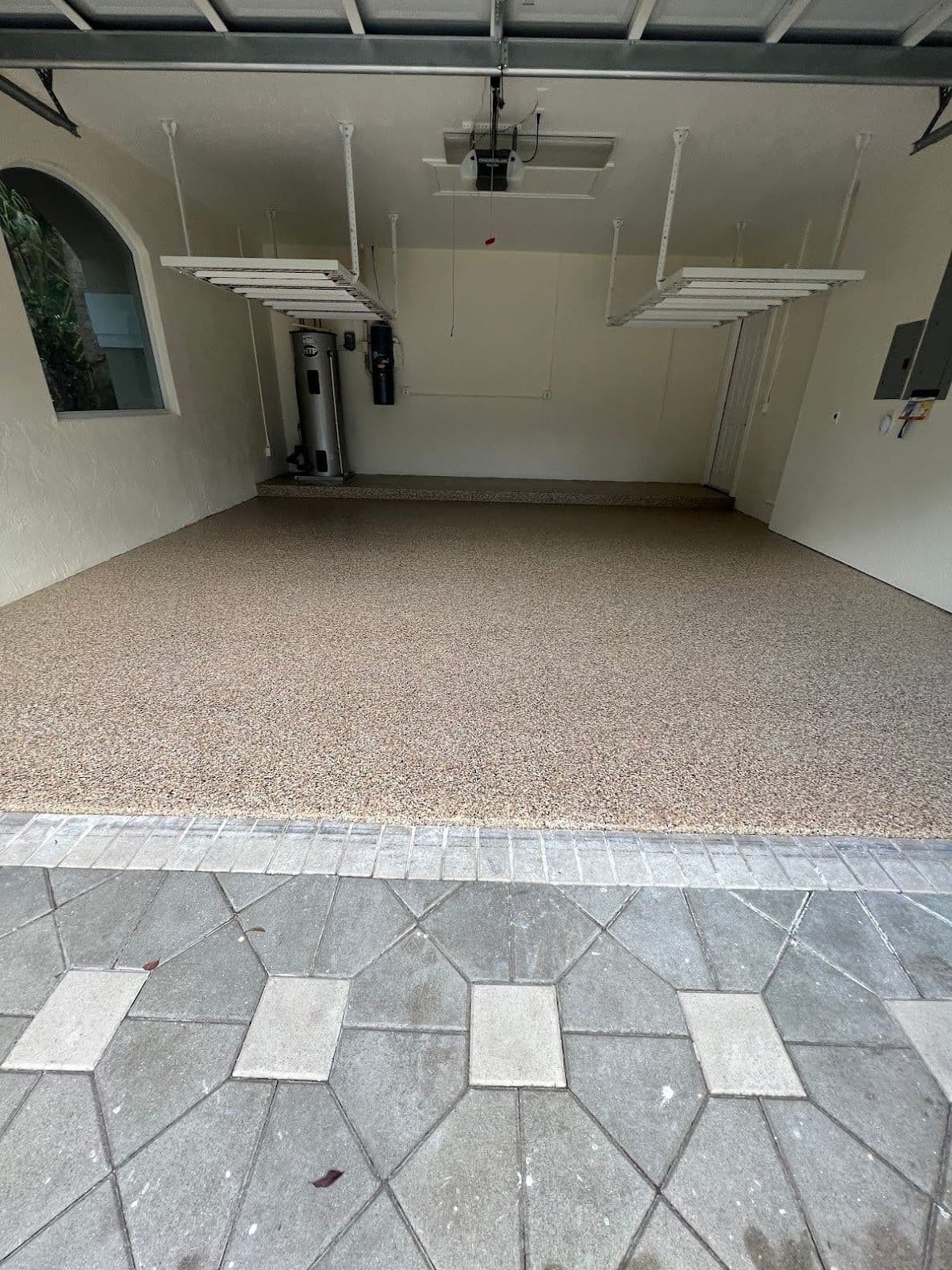
We had both of our garages done and an outdoor concrete platform. The crew was courteous and professional. Everyone from Nancy our salesperson to Patrick, the manager, Logan and his crew were outstanding. Our floors look fantastic and we were very happy we chose this company.
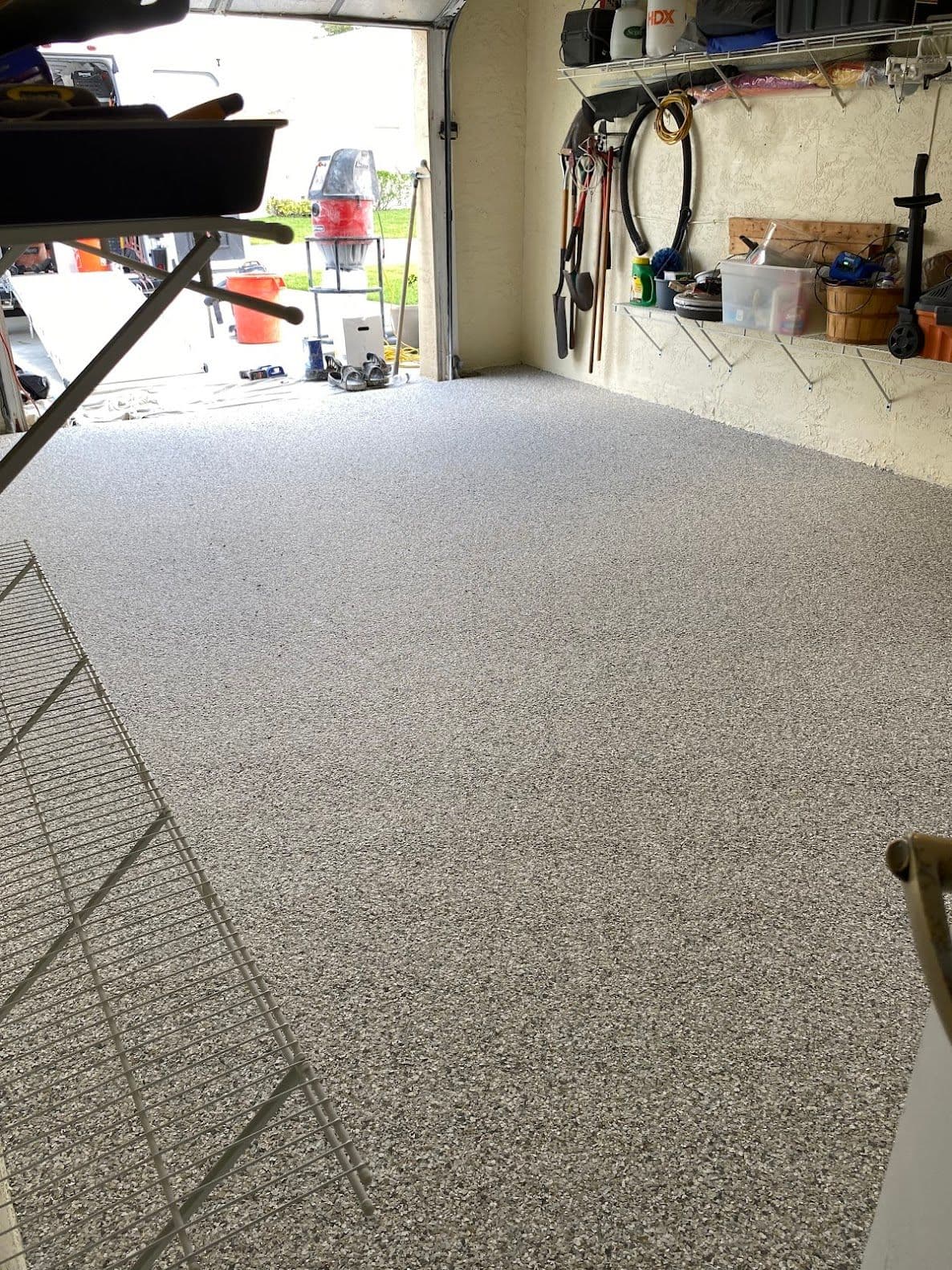
I am very pleased with the quality of work FloorTek has done for me. The two employees that did the actual work were very courteous, worked hard, and explained everything they were doing. Thank you for a great job.
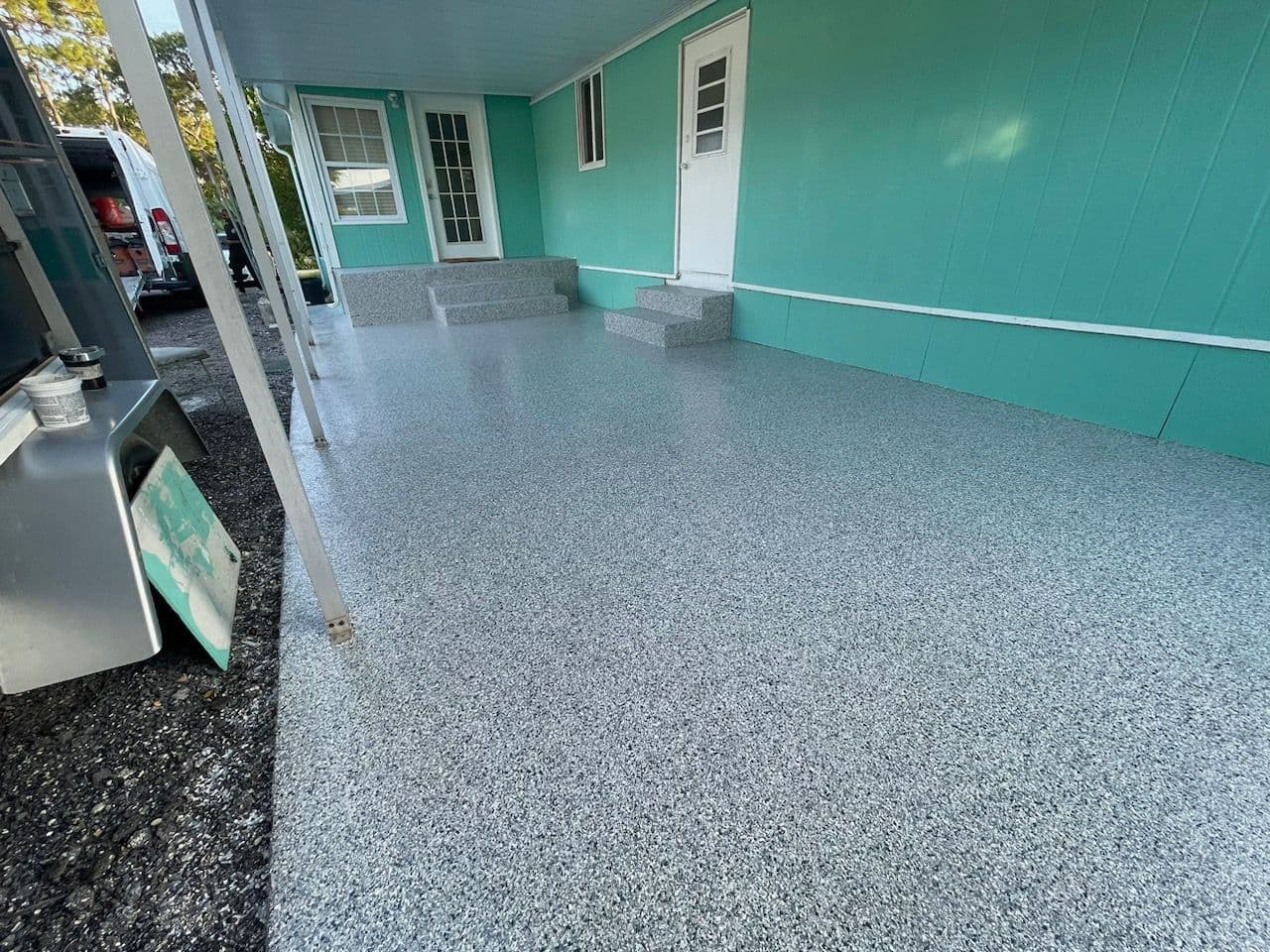
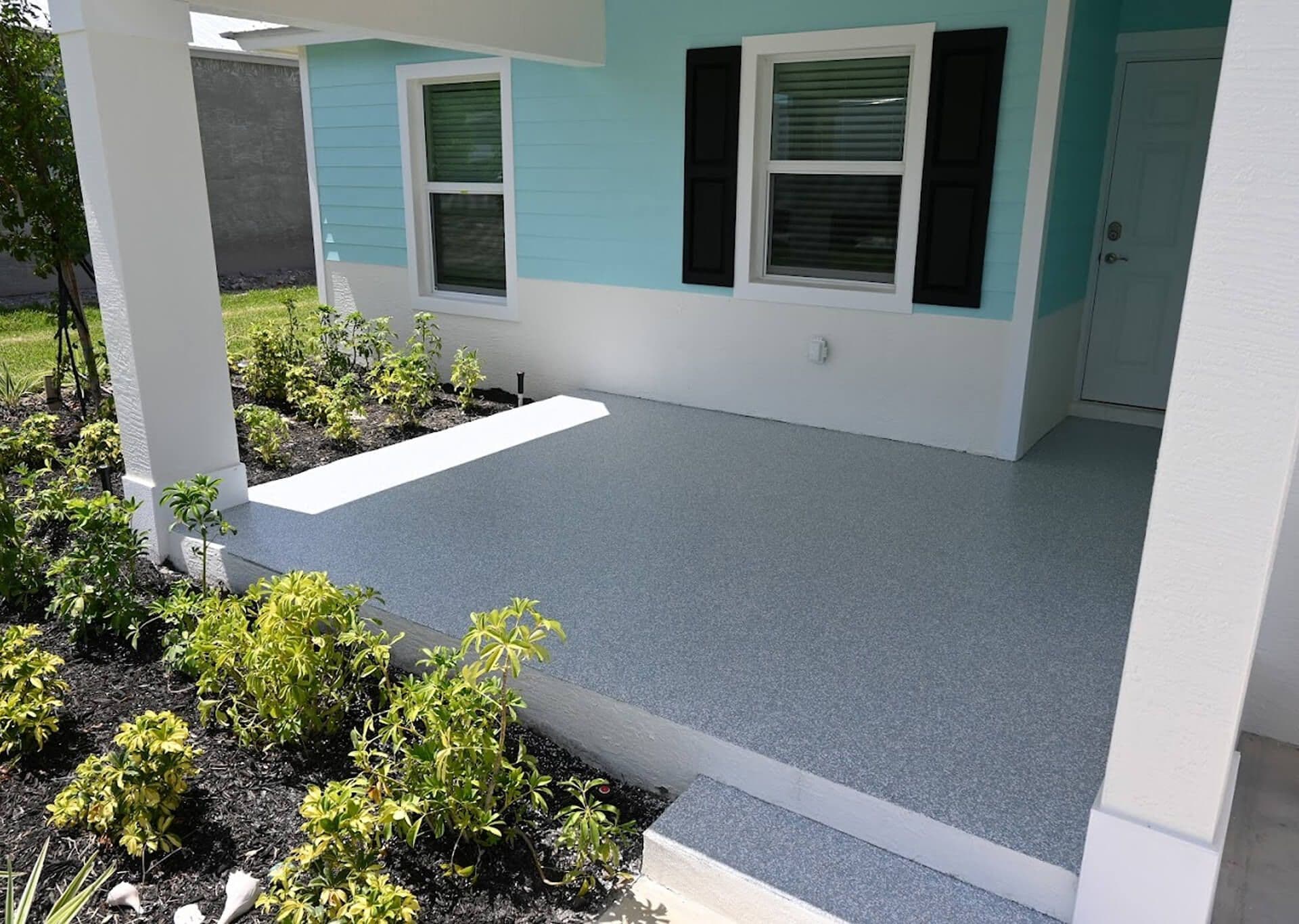
I was happy with the job Floortek did. Good customer communication and customer relationship. My old ugly porch was transformed and I love it. Nancy was very helpful throughout the process. Just know that rain may impact your schedule to make sure the products at highest quality during application.



Contact FloorTek Today