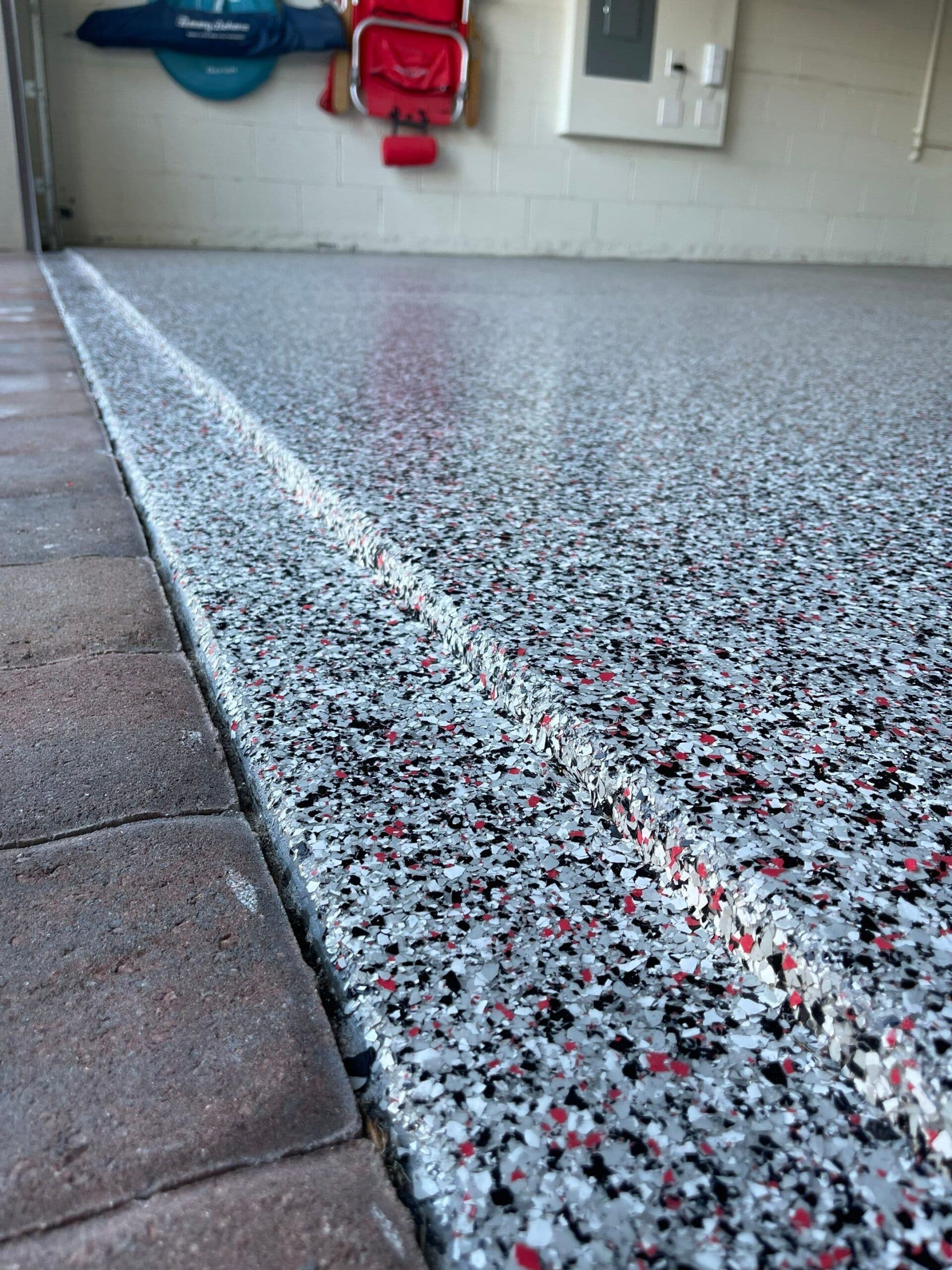
The Real Differences Between Epoxy and Polyurethane Concrete Floor Coatings in Houston, Texas
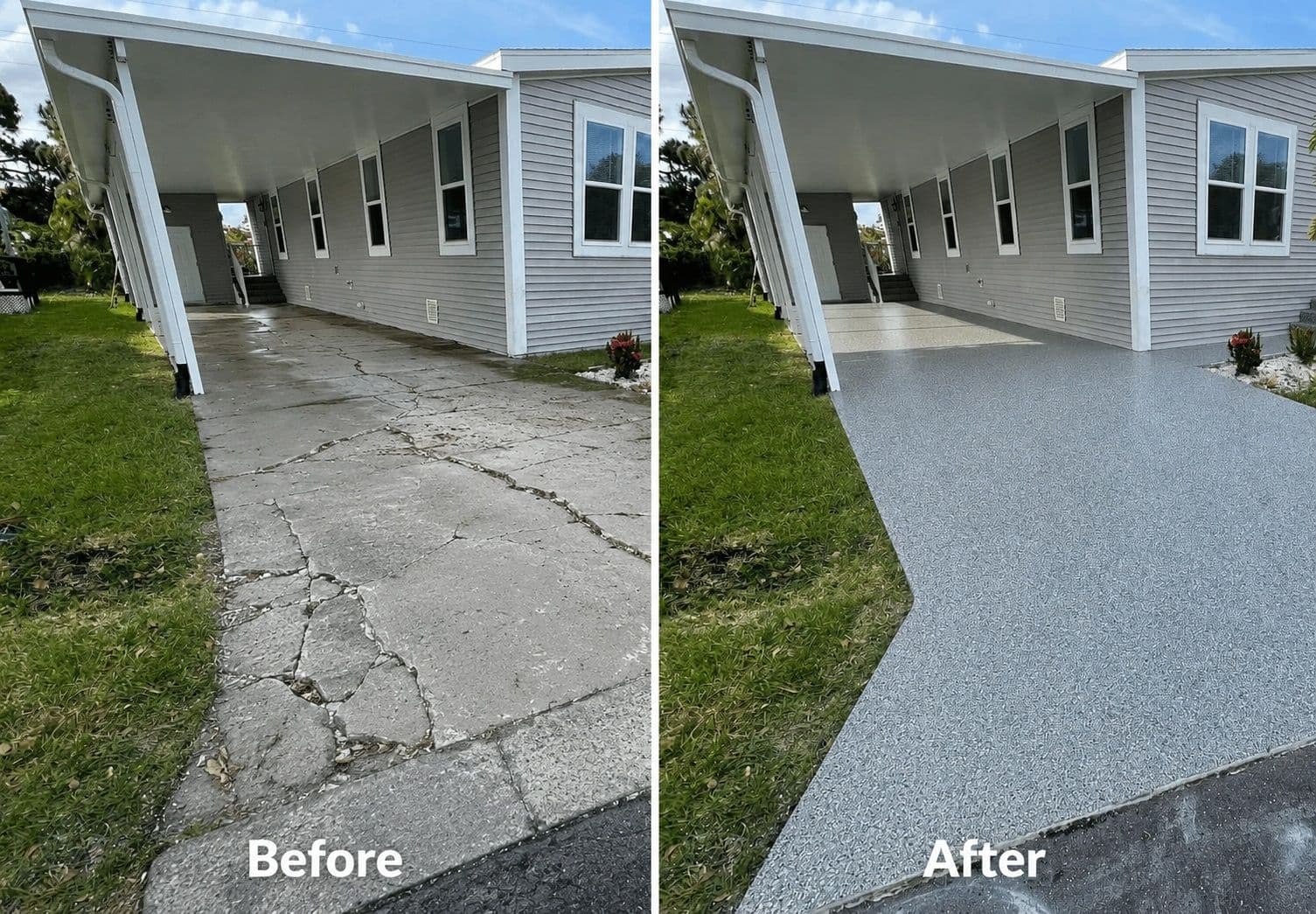
When evaluating epoxy and polyurethane concrete floor coatings, property owners in Houston should consider how Floortek Coatings' advanced formulations provide long-term protection against high humidity, heat, and heavy traffic, helping to prevent early blistering, discoloration, and delamination.
Understanding the Chemical Differences Between Epoxy and Polyurethane Concrete Floor Coatings
Traditional resin systems rely on distinct chemical reactions that determine their final physical attributes. Property owners must understand these mechanisms before selecting a system for their facility or home.
The Structural Mechanics of Epoxy Polymers
Epoxy resins are thermosetting polymers created by mixing an epoxide resin with a polyamine hardener. This reaction forms a rigid, highly cross-linked molecular network. The material bonds mechanically to open concrete pores, creating a hard surface. However, this high rigidity makes the material brittle under heavy impacts. Epoxy cannot expand and contract when temperatures shift rapidly.
The Material Properties of Polyurethane Systems
Polyurethane coatings connect through carbamate links, forming a flexible polymer network. This chemical structure allows the material to absorb impacts without cracking. Polyurethane typically exhibits greater elasticity than standard epoxy, allowing it to accommodate minor concrete settling. Despite this flexibility, standard polyurethanes are exceptionally thin and cannot fill deep cracks or build up significant thickness on rough surfaces.
How the Houston, Texas, Climate Impact Destroys Traditional Coatings
The coastal climate of Southeast Texas presents major challenges for traditional concrete surface treatments. High ambient humidity and high groundwater tables cause premature failure in standard resin materials. Areas across the region, including Katy, The Woodlands, Sugar Land, Cypress, Kingwood, Pearland, and League City, experience these climate-driven stresses daily.
High Ambient Humidity and Curing Failures
Houston regularly experiences relative humidity levels exceeding 80 percent. Standard polyurethane materials are highly moisture-sensitive during the curing phase. If airborne moisture contacts the wet polymer, it reacts with the chemical hardener, generating carbon dioxide gas. This reaction creates microscopic bubbles within the film, causing a cloudy appearance and reducing structural strength. Epoxy materials face similar challenges, often developing a greasy surface layer known as amine blushing when applied in high humidity. This layer prevents topcoats from adhering properly.
Substrate Moisture Vapor Transmission and Delamination
Groundwater levels across Harris County and Fort Bend County remain high throughout the year. Concrete absorbs this moisture from the surrounding soil. As soil temperatures rise, this trapped water turns into vapor and moves upward through the concrete slab. This movement is called moisture vapor transmission. Traditional epoxy creates a tight, brittle vapor barrier. When vapor pressure builds beneath this rigid layer, it forces the coating off the concrete, causing blisters and large-scale delamination. To prevent moisture damage, we need to add a vapor barrier. This layer regulates vapor pressure and protects the floor. For technical guidance on managing moisture in concrete structures, consult the U.S. Army Corps of Engineers Unified Facilities Criteria.
Floortek Coatings uses advanced polyaspartic technology to give property owners confidence in a floor that's durable, innovative, and long-lasting, surpassing traditional resin systems.
Floortek Coatings utilizes advanced polyaspartic technology to solve the historical shortcomings of standard resin systems. This material chemistry offers superior performance across residential, commercial, and industrial settings.
+-----------------------------------------------------------------------------+
| POLYASPARTIC COATING SYSTEM |
+-----------------------------------------------------------------------------+
| [Topcoat] Clear Polyaspartic Layer (UV Stable / Chemical Resistant) |
+-----------------------------------------------------------------------------+
| [Media] Decorative Color Flakes (Establishes Visual Texture) |
+-----------------------------------------------------------------------------+
| [Base Coat] Pigmented Polyaspartic Base (High Mechanical Bond) |
+-----------------------------------------------------------------------------+
| [Barrier] Moisture Vapor Barrier Layer (Controls Substrate Pressure) |
+-----------------------------------------------------------------------------+
| [Substrate] Mechanically Profiled Concrete (Open Porosity / CSP 2-3) |
+-----------------------------------------------------------------------------+
Extreme Mechanical Durability and Tensile Strength
Our polyaspartic formulation is engineered to handle heavy mechanical stress. Testing indicates this polymer technology is 10X stronger than epoxy. It withstands continuous forklift traffic, heavy impact from dropped tools, and high shear forces from turning tires. Standard epoxy fractures under sudden impacts, while our polyaspartic system absorbs energy and distributes the load across the concrete substrate without cracking.
Rapid Curing and Efficient One-Day Transformations
Minimizing Floortek Coatings offers a specialized multi-layer application engineered for a 1-Day installation, enabling property owners to return their space to full service within 24 hours. One-day garage floor coating service minimizes downtime.
Absolute UV Stability and Environmental Resistance
Our polyaspartic systems are completely UV-stable and resistant to sunlight, ensuring your floor maintains its clear appearance and color for decades without yellowing or chalking.
Industrial-Grade Chemical Protection
Flooring systems in workshops and industrial plants frequently encounter aggressive liquids. Standard epoxy stains when exposed to hot tires and degrades when contacted by corrosive automotive fluids. Our polyaspartic formulas are completely Chemical Resistant. They withstand prolonged contact with motor oil, brake fluid, gasoline, industrial solvents, and household detergents without softening or staining.
Proper surface preparation is essential for long-term adhesion, reassuring property owners that their investment will last with the right steps.
Long-term adhesion depends entirely on proper concrete surface preparation. Skipping these initial steps leads to early coating failure, regardless of the material used.
Mechanical Diamond Grinding vs. Acid Etching
Some installers use muriatic acid to etch concrete floors because it is fast and cheap. However, acid etching does not create a uniform profile on hard concrete and introduces water into the slab, raising moisture levels. Floortek Coatings uses heavy industrial diamond grinding machines equipped with vacuum systems to prepare floors. This dry mechanical grinding opens the concrete pores and removes weak surface cream, creating a uniform texture resembling medium-grit sandpaper. This profile gives the polyaspartic resin a strong mechanical grip.
Crack Repair and Joint Stabilization
Concrete slabs naturally crack and shift over time. Applying a coating over active cracks causes the material to tear. We use advanced polyurea joint fillers to repair cracks and control joints before applying the coating. We clean out all cracks, fill them with fast-curing structural polymers, and grind them flat with the surrounding floor. This step creates a smooth surface that allows the polyaspartic system to bridge minor substrate movements without tearing.
Evaluating Long-Term Structural Performance, Longevity, and Value
Investing in high-quality coatings offers long-term savings by reducing future repair costs, giving property owners peace of mind about their choice.
The True Lifecycle Costs of Flooring Failures
Standard epoxy coatings appear cost-effective initially but often fail within two to five years when exposed to hot tires and moisture. The cost to remove a failing coating, re-grind the concrete, and apply a new system is significantly higher than installing a premium floor at the start. Floortek Coatings provides manufacturer-direct value by eliminating intermediaries. This ensures you receive industrial-grade materials at a competitive price. We support our quality with an ironclad Life-of-home warranty against peeling and delamination.
Maintenance and Cleaning Protocols
Maintaining a resin-coated floor requires minimal effort when high-quality materials are used. Our polyaspartic systems create a non-porous surface that stops dirt, oil, and grime from soaking into the floor. Regular cleaning requires only a soft broom and a mop, warm water, and a neutral cleaner. Avoid using harsh acids or abrasive scrubbing pads, as they can scratch the clear topcoat over time.
Choosing the Right Specialized Solution for Specific Functional Spaces
Different environments face distinct operational stresses. Matching the coating technology to the specific room ensures optimal performance.
High-Performance Garage Flooring Solutions
Residential garages are subject to heavy vehicles, hot tires, and chemical spills. Standard epoxy easily picks up hot-tire stains, which happen when hot tires cool down and bond with the weak resin, pulling it off the concrete. Our specialized concrete floor coatings for garage floors use polyaspartic chemistry to eliminate hot-tire peeling.
Exterior Patios and Pool Deck Coatings
Outdoor concrete faces constant sunlight, heavy rain, and temperature shifts. Standard epoxy cannot be used outdoors because it yellows and cracks quickly in the sun. Our patio and pool deck coating services use UV-stable polyaspartic formulations. These coatings handle intense Texas heat and UV rays without fading, peeling, or blistering.
Commercial Driveways and Walkways
High-traffic concrete surfaces, such as driveways and walkways, require excellent durability. Our driveway and sidewalk coating services create a tough, durable layer that withstands heavy vehicles and constant foot traffic. For businesses looking to upgrade their facilities, hiring a professional concrete floor coating company ensures a durable, long-lasting installation.
Indoor Basements and Utility Rooms
Basement floors are often exposed to high humidity and moisture vapor from the ground. Our Basement coating service uses specialized vapor barriers to block moisture and stop delamination. For interior projects, we prioritize safety by using the safest concrete floor coating products for indoor applications, which feature low volatile organic compound (VOC) levels to protect indoor air quality.
Frequently Asked Questions:
What are the differences between epoxy and polyurethane concrete floor coatings?
The primary differences between epoxy and polyurethane concrete floor coatings center on mechanical flexibility, UV stability, and curing speed. Traditional epoxy forms a rigid, hard layer that is vulnerable to impact cracking and solar yellowing. Polyurethane offers better flexibility but remains thin and highly sensitive to ambient humidity during installation. Modern polyaspartic technology combines the thickness of epoxy with the flexibility and UV stability of polyurethane. Property owners can learn more about these material attributes by reviewing research from the National Institute of Standards and Technology. To achieve optimal durability in high-humidity areas, choosing a high-performance system from a qualified installer like Floortek Coatings ensures long-term protection against peeling.
Can you apply a polyurethane topcoat directly over an old epoxy floor coating?
No, you cannot apply polyurethane directly over an old coating without extensive surface preparation. The differences between epoxy and polyurethane concrete floor coatings prevent simple bonding without mechanical grinding. The existing epoxy layer must be thoroughly sanded to create a rough profile for mechanical adhesion. If the underlying epoxy exhibits moisture blisters or yellowing, the new topcoat will fail along with the base layer. Floortek Coatings recommends the complete removal of failing materials, followed by the application of a polyaspartic system. For safety regulations regarding historical resin removal and dust control, check the Occupational Safety and Health Administration standards.
How does high ambient humidity affect the installation of epoxy versus polyurethane coatings?
High humidity causes chemical blushing in epoxy and severe outgassing bubbles in polyurethane during curing. These environmental sensitivities highlight the core differences between epoxy and polyurethane concrete floor coatings during application. Polyurethane reacts poorly with moisture, creating carbon dioxide bubbles that ruin floor clarity. Polyaspartic coatings handle a wider range of humidity levels during installation. Floortek Coatings uses specialized polyaspartic formulas engineered to cure perfectly in high humidity, preventing climate-related installation failures.
Which coating system provides better protection against automotive fluid spills and hot tire pickup?
Polyaspartic systems outperform both epoxy and polyurethane when exposed to hot tires and automotive chemicals. Compared with polyurethane concrete floor coatings, epoxy coatings are more likely to soften under hot tires, causing them to peel up. Polyurethane resists chemicals well but lacks the thickness to protect high-traffic garage floors. Floortek Coatings offers polyaspartic garage floor coatings that completely resist hot-tire pickup, brake fluid, and oil stains.
Is a moisture vapor barrier required before applying a concrete floor coating?
Yes, a moisture vapor barrier is necessary when moisture levels in the concrete slab exceed three pounds per 1,000 square feet. The structural differences between epoxy and polyurethane concrete floor coatings mean neither material can withstand high vapor pressure from underground water. To prevent delamination, installers must apply a dedicated vapor barrier layer beneath the coating. Floortek Coatings integrates a powerful moisture mitigation layer into its polyaspartic flooring systems to prevent moisture blistering.
How long do you have to wait to drive on an epoxy floor versus a polyaspartic floor?
Epoxy takes 3 to 7 days to fully cure before it can support traffic, whereas polyaspartic floors can support traffic in 24 hours. This curing time is one of the most practical differences between epoxy and polyurethane concrete floor coatings for homeowners and businesses. Long cure windows leave the wet floor exposed to dust and debris for days. Floortek Coatings delivers a rapid polyaspartic installation that cures completely in one day, minimizing downtime.
Can polyaspartic floor coatings be installed outdoors in direct sunlight?
Yes, polyaspartic coatings are highly stable under UV light and perform excellently on outdoor concrete surfaces. Traditional differences between epoxy and polyurethane concrete floor coatings make epoxy unusable outdoors due to yellowing and chalking. Polyurethane handles sunlight well but lacks the thickness needed for durable outdoor wear. Floortek Coatings installs UV-stable polyaspartic coatings on patios, walkways, and pool decks that will not fade or peel in the sun.
What causes a resinous floor coating to peel and delaminate from concrete?
Peeling is usually caused by poor mechanical preparation or trapped moisture vapor beneath the resin layer. Examining the differences between epoxy and polyurethane concrete floor coatings shows that brittle epoxy peels in large sheets, while thin polyurethane wears away rapidly. Proper surface preparation requires industrial diamond grinding, not simple acid washing. Floortek Coatings uses advanced diamond grinders to open the pores in concrete, ensuring a permanent mechanical bond.
Are industrial polyaspartic coatings safe for indoor residential installations?
Yes, our specialized residential formulations are safe for indoor use and have very low VOC levels. When comparing epoxy and polyurethane concrete floor coatings, many industrial polyurethanes emit strong chemical odors during application. Our eco-friendly polyaspartic formulas cure quickly without releasing dangerous solvents into your home. Floortek Coatings ensures all indoor installations meet strict safety and environmental standards.
How do the lifelong costs of epoxy compare to a premium polyaspartic flooring system?
Epoxy costs less upfront but often requires replacement or extensive repairs within a few years, making it more expensive over time. These long-term financial outcomes represent the economic differences between epoxy and polyurethane concrete floor coatings. Investing in a premium polyaspartic floor avoids the cost of repeated repairs and replacement. Floortek Coatings offers manufacturer-direct value backed by a comprehensive lifetime warranty, providing the best long-term value.
Upgrade Your Floors Today with Floortek Coatings
Do not risk your property's value with outdated epoxy or moisture-sensitive polyurethane coatings that peel and yellow in the intense Texas climate. Upgrade to a flooring system designed to last.
Contact Floortek Coatings today to schedule your professional installation. Call our main team at 844-844-4164 or reach our local Houston office directly at 1-346-550-9307. You can also visit our regional headquarters at 4109 Katy Hockley Rd #1, Katy, TX 77493 to view our premium flooring options in person.
Act now to claim 30% off your first installation and protect your concrete with our lifetime warranty. Contact us today to request a free, no-obligation project estimate!
FREE In-Home Estimate
Plus 30% Off
Testimonials
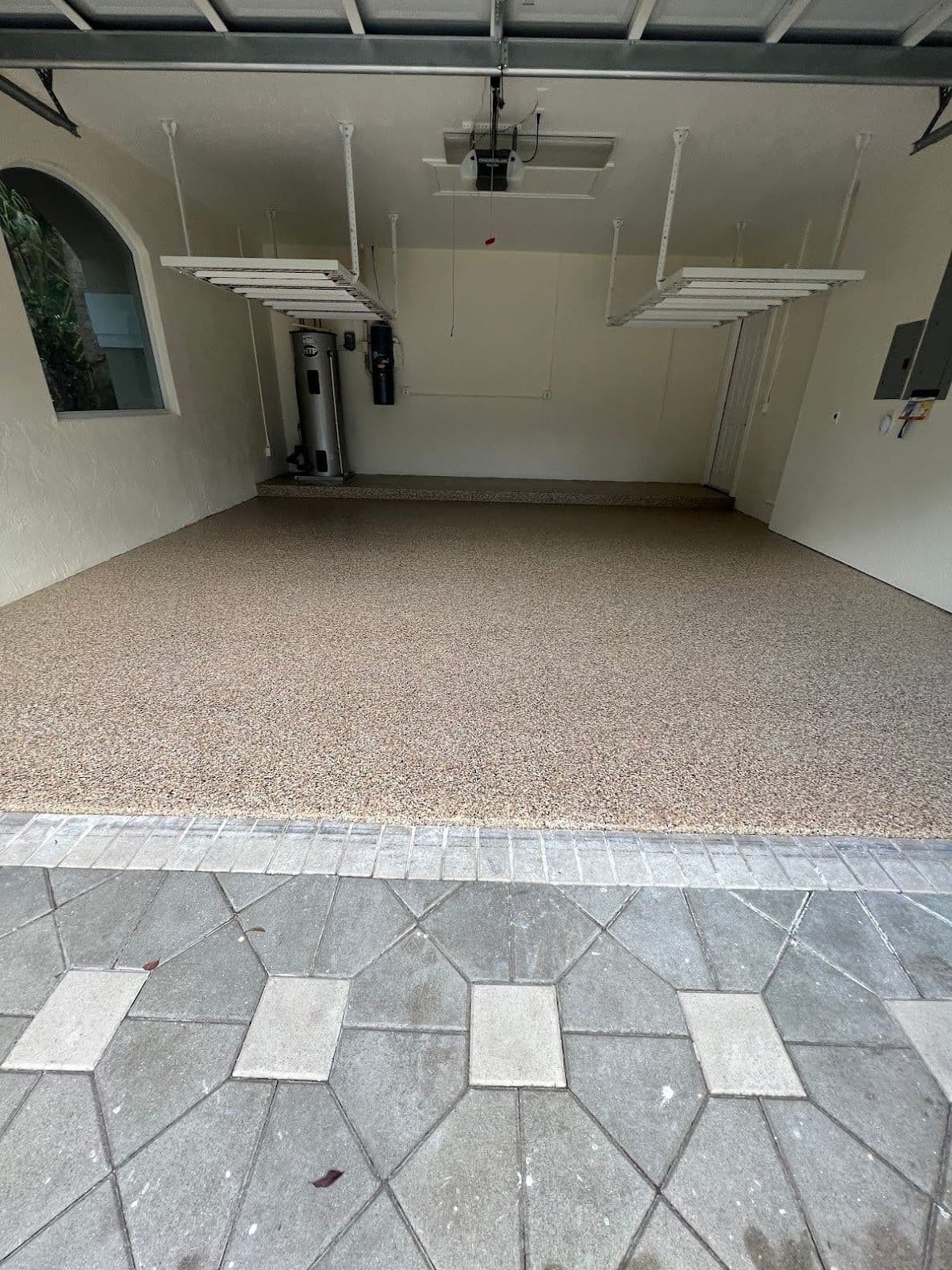
We had both of our garages done and an outdoor concrete platform. The crew was courteous and professional. Everyone from Nancy our salesperson to Patrick, the manager, Logan and his crew were outstanding. Our floors look fantastic and we were very happy we chose this company.
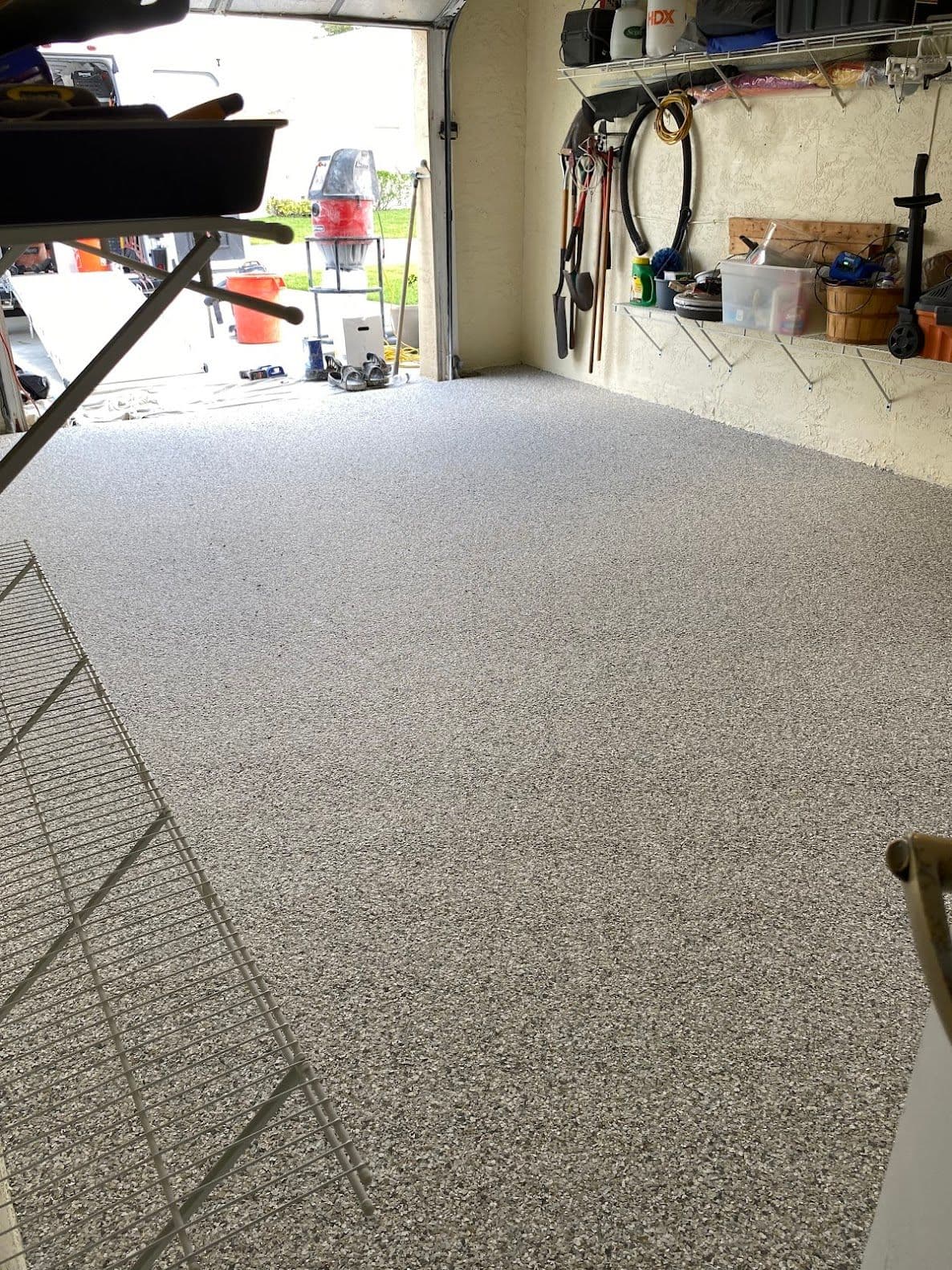
I am very pleased with the quality of work FloorTek has done for me. The two employees that did the actual work were very courteous, worked hard, and explained everything they were doing. Thank you for a great job.
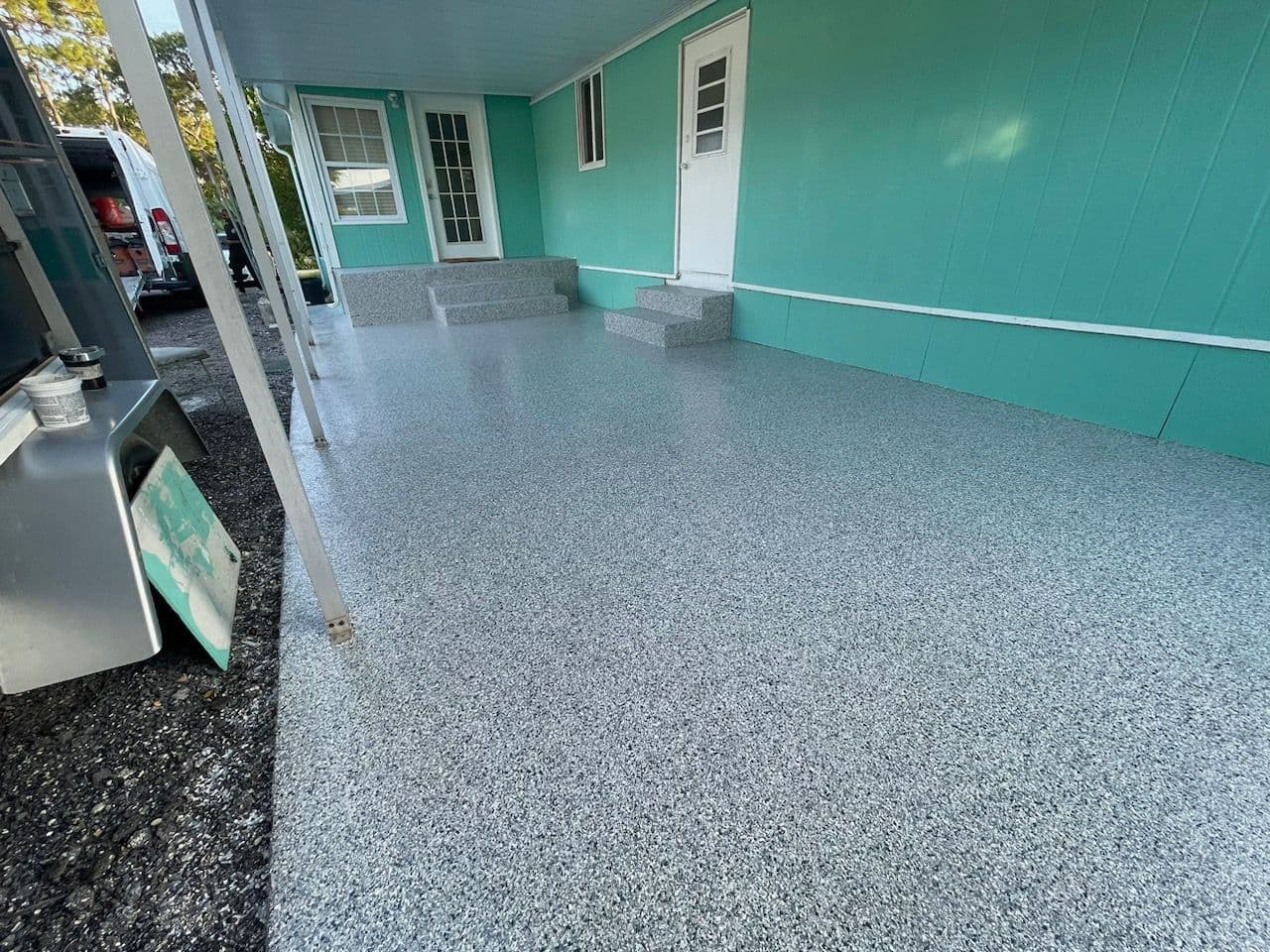
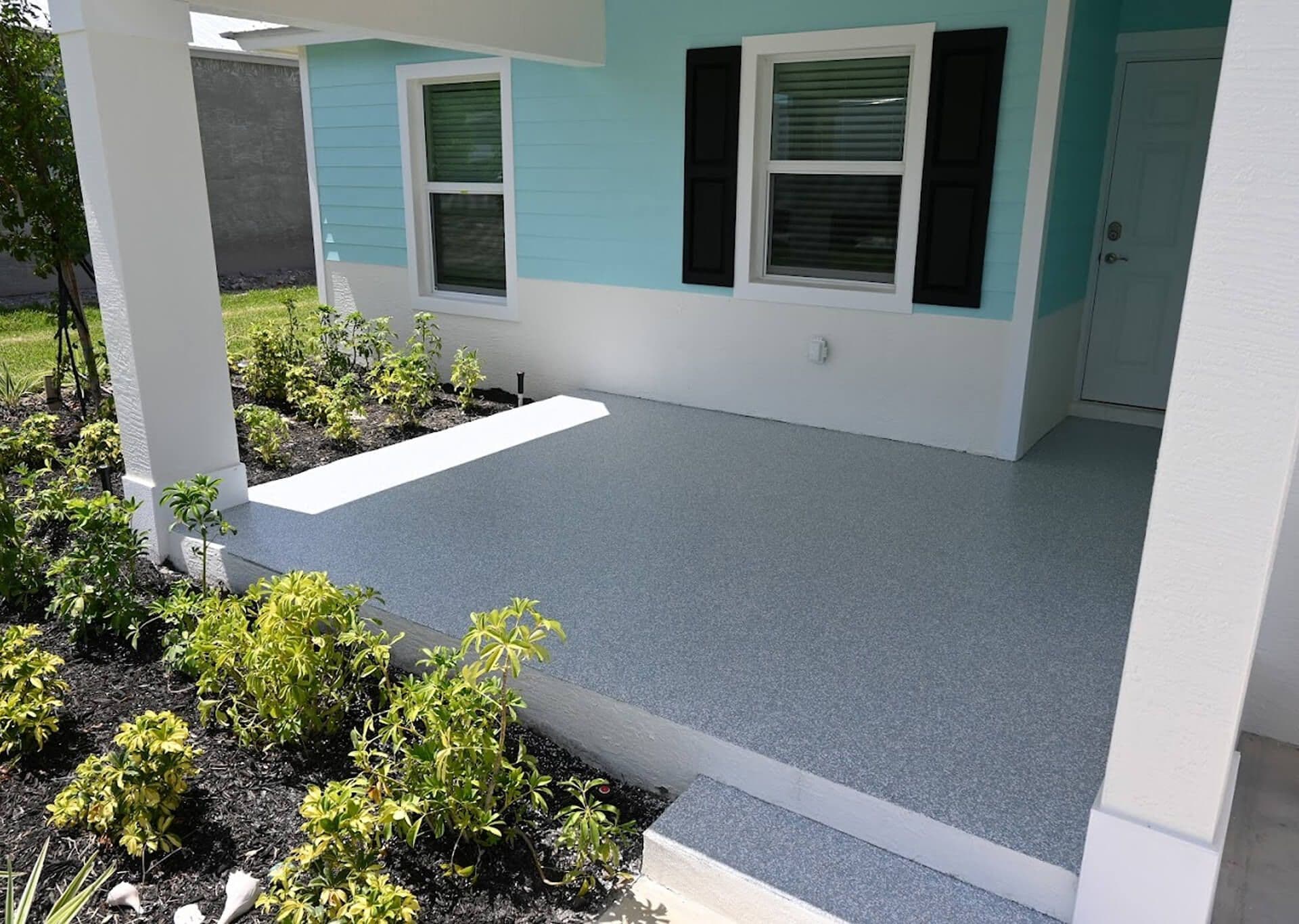
I was happy with the job Floortek did. Good customer communication and customer relationship. My old ugly porch was transformed and I love it. Nancy was very helpful throughout the process. Just know that rain may impact your schedule to make sure the products at highest quality during application.



Contact FloorTek Today