Premium Driveway Concrete Resurfacing in Houston, Texas: The Engineered Polyaspartic Solution
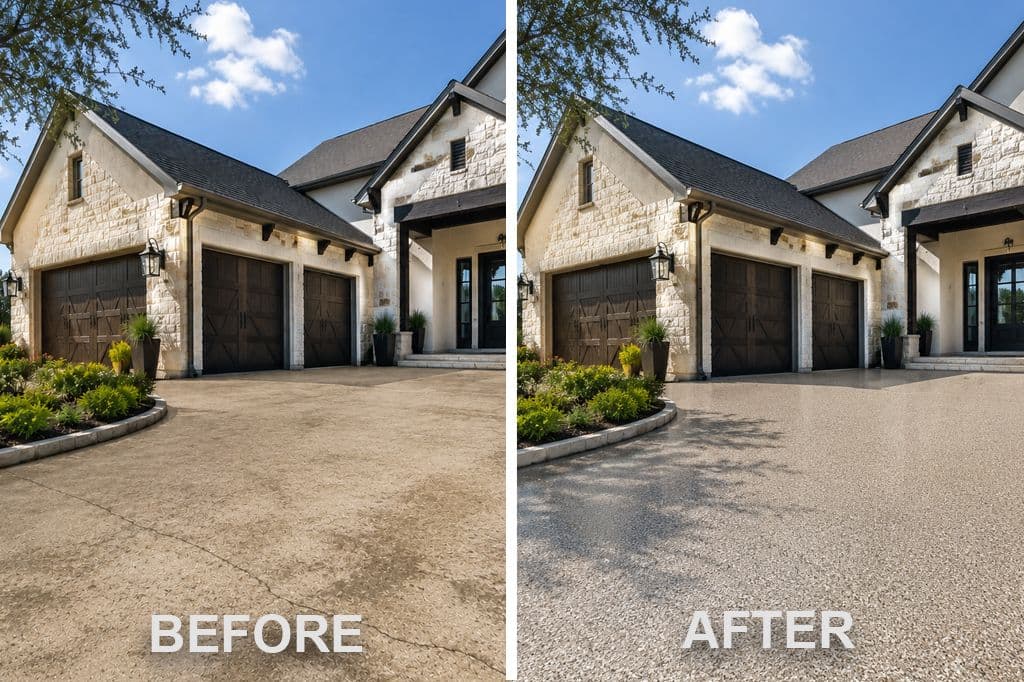
Selecting the correct material for driveway concrete resurfacing in Houston, Texas, determines whether your property investment lasts for decades or deteriorates within a few seasons. Floortek Coatings provides an advanced polymer architecture engineered to handle the severe climate and soil demands of the Texas Gulf Coast region. Curious about maintenance requirements? Our solutions are designed for minimal upkeep, ensuring your driveway stays pristine with less effort.
Why Houston Soil and Climate Demand Advanced Concrete Solutions
The geological landscape of Southeast Texas presents significant structural challenges for residential and commercial concrete surfaces. Understanding these factors is critical before initiating any surface restoration or overlay project.
Expansive Clay Subgrades and Substrate Movement
The primary structural hazard to concrete in cities like Katy, Sugar Land, and Cypress is the presence of highly expansive clay soils, historically classified as Vertisols. These clay matrices exhibit significant volume changes based entirely on moisture saturation levels. During heavy coastal rain events, the clay absorbs water and swells, exerting upward pressure on the concrete driveway slab. Conversely, during hot, dry summer months, the soil contracts sharply, removing the foundational support beneath the slab. This continuous shifting creates differential settlement, resulting in deep structural fissures, pitting, and cracking across unmitigated driveways.
Thermal Expansion and Solar Radiation Damage
The atmospheric conditions in Houston place severe thermal stress on outdoor surfaces. Concrete absorbs solar energy throughout the day, causing the material to expand. As night falls and temperatures drop, the slab contracts. This cycle requires a protective top layer that moves in tandem with the concrete substrate. Brittle, traditional materials cannot tolerate this movement and quickly lose their bond, leading to extensive delamination and peeling.
The Technological Failures of Standard Epoxy Coatings
For many years, traditional epoxy resin was standard for basic surface coverings. However, materials science field tests demonstrate that epoxy is severely flawed when exposed to outdoor environments and vehicle traffic.
Brittle Polymer Matrix and Cracking
Epoxy is a thermosetting polymer that forms rigid cross-linked networks upon curing. While this rigidity provides high compressive strength, it offers very poor tensile flexibility and minimal elongation capability. When the underlying concrete shifts due to movement in Texas clay, the brittle epoxy layer cannot flex. This leads to immediate micro-cracking, which allows water to penetrate beneath the surface and lift the entire coating away from the substrate.
Severe UV Degradation and Ambering
Standard epoxy has an aromatic structure that makes it highly susceptible to ultraviolet (UV) radiation. Continuous exposure to the intense Texas sun breaks down these molecular bonds. This degradation leads to specific surface failures:
Rapid yellowing or "ambering" of the clear or colored resin.
Severe chalking, in which the surface turns into a powdery residue.
Complete loss of structural gloss and physical cohesion.
Hot Tire Pickup and Adhesion Failure
Vehicles returning from long drives across hot Texas asphalt transfer substantial thermal energy to their tires. When parked on a standard epoxy driveway or garage floor, the heated tire tread chemically bonds with the softened epoxy resin. As the tire cools, it contracts, pulling the epoxy away from the concrete substrate. This common failure, known as hot tire pickup, leaves unsightly bare spots and ruins the protective system.
The Floortek Polyaspartic Engineering Solution
To solve the inherent flaws of outdated materials, Floortek Coatings utilizes an advanced aliphatic polyaspartic system. This specialized floor-coating technology is engineered for maximum durability in extreme environments.
Unmatched Durability and Structural Strength
Our polyaspartic formula is a major evolutionary leap over basic polymers. It is explicitly certified as 10X stronger than epoxy, providing incredible resistance to impact, abrasion, and heavy vehicular loads. Unlike brittle alternatives, this advanced polyurea flooring network retains excellent tensile flexibility, allowing it to adapt to minor concrete shifts without fracturing the protective layer.
Superior Environmental Adaptations
Our advanced driveway-concrete-resurfacing systems are integrated with specific physical properties that outperform standard options:
1-Day installation: Our optimized application chemistry ensures rapid curing, reducing property downtime so you can use your driveway quickly.
The aliphatic molecular backbone ensures full UV stability, preventing yellowing and chalking so your driveway maintains its appearance for decades.
Chemical Resistant: The non-porous finish shields the driveway against harsh motor oils, brake fluids, anti-freeze, and gasoline spills.
Exceptional Consumer Protection and Value
We stand behind our chemical engineering with a comprehensive Life-of-Home warranty against peeling and delamination. This warranty covers repairs or replacements if issues arise during the warranty period, giving you peace of mind. By operating as a direct provider, we deliver true Manufacturer-direct value to home and business owners, eliminating retail middleman fees. Furthermore, new clients receive 30% off in the first installation to make this vital property upgrade highly accessible.
Our Comprehensive Professional Installation Architecture
Achieving a lifelong mechanical bond requires a rigorous, multi-step execution process. We do not rely on simple acid washing; instead, we follow strict industrial protocols across all projects.
Step 1: Mechanical Surface Profiling
True adhesion depends on the concrete's physical profile. We utilize heavy planetary diamond grinding machinery to strip away weak surface laitance, old sealers, and deep-seated oil contaminants. This process opens the closed capillaries of the concrete, establishing an International Concrete Repair Institute (ICRI) Concrete Surface Profile (CSP) of 2 to 3. This textured surface provides the ideal mechanical anchor for our base layer.
Step 2: Fissure and Pit Remediation
Every crack, spall, and joint defect is individually profiled, cleared of debris, and rebuilt. We inject a high-viscosity, rapid-curing polyurea joint filler that fuses the broken edges. Once cured, the repaired zones are ground perfectly flush with the surrounding concrete to create a seamless, uniform foundation.
Step 3: Base Coat and Structural Aggregates
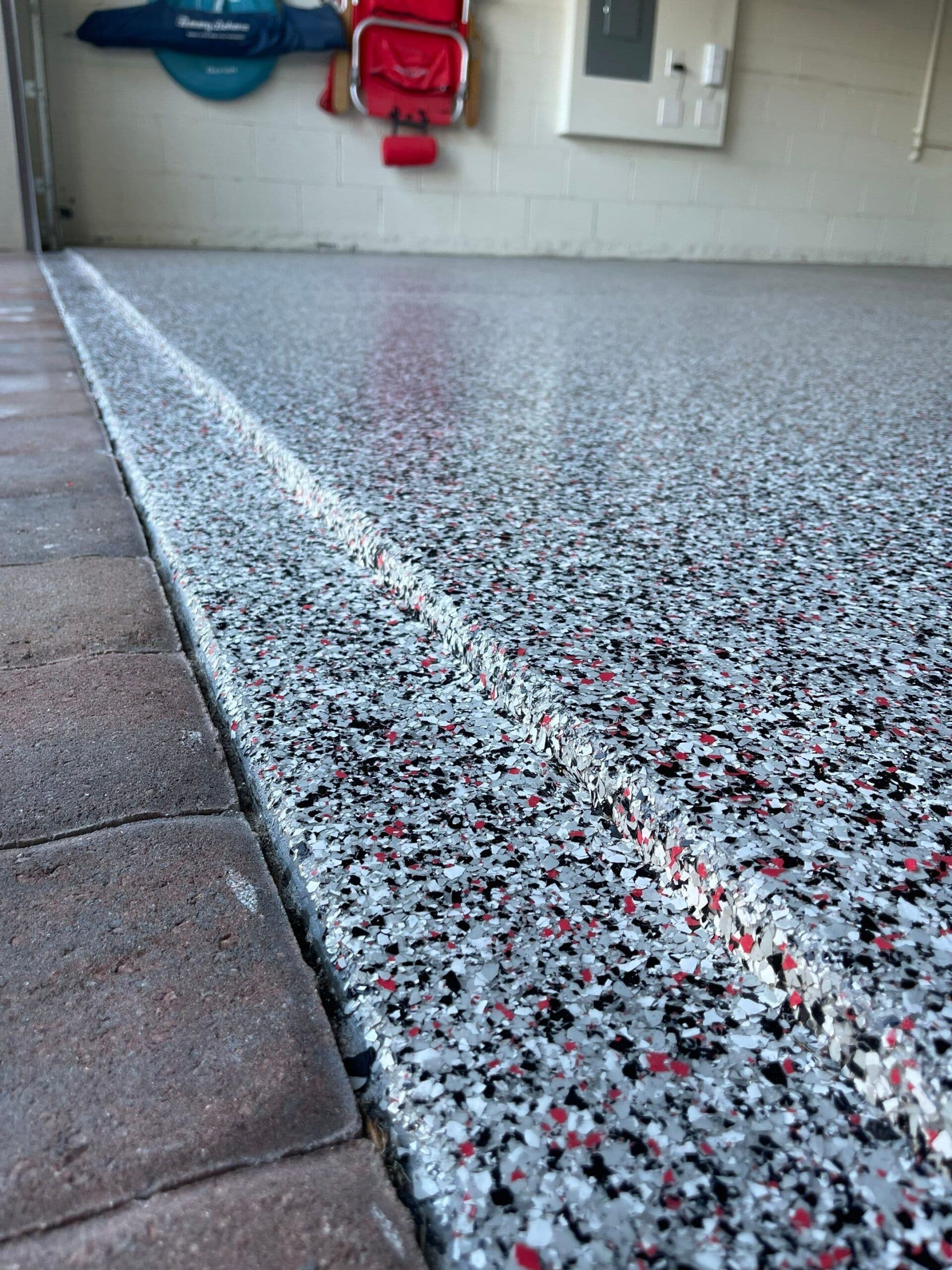
Next, we apply our specialized polyaspartic base layer, which quickly penetrates the concrete's open pores, forming a strong mechanical bond. While the base coat is active, we perform a full broadcast of customized color flakes from our Colors and Flake Options suite. This aggregate layer adds structural thickness, visual uniformity, and physical impact resistance.
Step 4: Top Coat Integration
After removing all unanchored flakes, we apply our clear aliphatic polyaspartic top coat. This heavy layer seals the entire multi-tiered system, creating an easy-to-clean surface that shields your driveway from physical and chemical wear.
Mitigating Substrate Moisture and Vapor Transmission
The coastal geology of the Greater Houston metro, including low-lying areas like Pearland, League City, and Pasadena, means local concrete slabs sit over high water tables. This environment creates a major cause of floor coating failure: moisture vapor transmission.
The Science of Hydrostatic Pressure
Concrete acts like a hard sponge. Groundwater beneath the slab is drawn upward via capillary action. As temperatures rise, this liquid water turns into vapor and travels up through the porous concrete. When it hits a non-breathable surface coating, the vapor becomes trapped beneath it, generating significant hydrostatic pressure. If this pressure exceeds the material's adhesive strength, it causes blistering, bubbling, and complete delamination.
The Floortek Protective Protocol
Standard epoxy cannot withstand these continuous vapor pressures. To prevent moisture damage, we basically have to add an extra layer called a vapor barrier. This deep-penetrating moisture-mitigation layer reacts chemically within the concrete pores to block upward vapor-path transmission. This vital protection step preserves the main polyaspartic top coats, keeping your installation perfectly bonded even during periods of heavy seasonal rain and rising water tables.
Enhancing Property Architecture and Longevity Across Greater Houston
Our advanced coatings are not limited to vehicle pathways. We apply our chemical engineering solutions across both indoor and outdoor spaces to maximize curb appeal and structural longevity.
Comprehensive Exterior Surface Defense
Whether you require an executive Driveway Floor Coating Service or an upgraded one-day garage floor coating, our systems deliver identical defensive metrics. We extend this protection to all outdoor concrete structures:
Patio Floor Coating Service: Protects outdoor entertaining zones from grilling grease, heavy patio furniture impact, and food stains.
Pool Deck Floor Coating Service: Resists aggressive pool treatment chemicals, chlorine, and intense sun exposure.
Sidewalk Floor Coating Service: Ensures neighborhood walkways remain free from fungal growth and organic staining.
Commercial and Specialized Applications
For high-traffic operations, our Commercial Floor Coating Service provides rapid turnaround times to minimize business disruptions. We also offer targeted Basement Floor Coating Service options designed to handle the unique dampness issues common in below-grade concrete structures.
Long-Term Maintenance and Structural Preservation
Keeping a polyaspartic coating pristine requires far less labor than maintaining raw concrete or outdated epoxy surfaces. The dense, cross-linked top layer prevents dirt and oils from embedding into the floor.
Simple Care and Maintenance Routines
Property owners should refer to our Polyaspartic concrete coatings Care and Maintenance Guide for comprehensive cleaning protocols. For day-to-day care, sweep away loose leaves, dirt, and dust with a soft-bristled broom. For deeper cleanings, rinse the surface with a garden hose and a soft foam squeegee.
Eliminating Corrosive Damage
Traditional driveways suffer from chemical erosion caused by leaking vehicle fluids. Our non-porous polyaspartic formula ensures these fluids stay on the surface rather than being absorbed into the concrete. This prevents deep staining and protects your driveway from structural degradation, ensuring your home maintains its value and curb appeal for years to come.
Frequently Asked Questions:
Can driveway concrete resurfacing withstand heavy commercial vehicles?
YES. Advanced polyaspartic chemical networks are engineered to withstand extreme vehicular weight and heavy mechanical traffic. This material system delivers superior compressive strength for high-intensity driveway concrete resurfacing. Property owners can secure this high-durability finish via Floortek Coating.
The structural capacities of polymer-modified concrete layers are verified by infrastructure testing. These resilient systems resist cracking under heavy wheel loads. You can review public highway pavement safety and materials standards on the Federal Highway Administration website.
Does driveway concrete resurfacing prevent automotive fluid staining?
YES. The highly non-porous top coat prevents vehicle fluids from sinking into your concrete. This keeps your completed driveway concrete resurfacing surface completely clean and free of blemishes. The barrier blocks motor oil, brake fluid, and gasoline. Learn more about surface defense from Floortek Coating.
Aliphatic polyaspartic coatings form an impermeable surface layer that blocks harsh household chemical spills. For chemical safety guidelines and material testing standards, visit the National Institute of Standards and Technology.
Can professionals complete a concrete driveway resurfacing project in one day?
YES. Advanced multi-tier application methods enable full chemical curing within 24 hours. This fast timeline is ideal for residential driveway concrete resurfacing needs. The rapid cure minimizes downtime so you can use your driveway quickly. Explore fast scheduling options with Floortek Coating.
Aliphatic polyaspartic compounds cure significantly faster than old-fashioned epoxy resins. Vehicles can safely park on the new surface the next day. For research on the performance of fast-curing polymers, consult the Texas Department of Transportation.
Will extreme solar exposure cause driveway concrete resurfacing to turn yellow?
NO. Industrial-grade polyaspartic formulations resist ultraviolet light damage, maintaining perfect clarity over decades of use. This solar defense is vital for successful driveway concrete resurfacing in hot southern climates. The surface will not amber or chalk. Maintain beautiful curb appeal with Floortek Coating.
Aliphatic polyaspartic polymers do not contain the vulnerable aromatic chemical rings found in standard epoxies. This molecular structure completely avoids solar yellowing. For detailed studies of polymer weathering behavior, see the engineering publications from Texas A&M University.
Can shifting subgrade soils ruin a concrete resurfacing installation for a driveway?
NO. The polyaspartic material exhibits high elongation, accommodating minor movement in concrete slabs. This flexibility is essential when resurfacing driveways on expansive clay soils. It prevents the coating from cracking under pressure. Select flexible surface systems from Floortek Coating.
Flexible coatings bend with the natural movement of concrete slabs, preventing delamination caused by soil shifting. To understand regional soil mechanics and expansive clay behavior, consult the geoscientific database from the United States Geological Survey.
Is mechanical diamond grinding mandatory before driveway concrete resurfacing?
YES. Thorough mechanical diamond grinding is required to open the pores in the concrete and ensure permanent adhesion. Without this critical surface profiling, your driveway concrete resurfacing project will fail. This phase ensures a deep mechanical bond. Request factory-certified installation teams from Floortek Coating.
Concrete surfaces must be profiled to remove weak laitance and surface contaminants. For structural concrete preparation guidelines, check the civil engineering research at The University of Texas at Austin.
Can old spalled slabs undergo successful driveway concrete resurfacing?
YES. Deep structural cracks, pits, and spalled sections are completely repaired before applying the top coats. This detailed preparation establishes a smooth foundation for comprehensive driveway concrete resurfacing systems. The final coat covers all past damage cleanly. Restore old concrete permanently with Floortek Coating.
Flexible polyurea filler materials stabilize underlying concrete fissures before coating application, preventing cracks from showing through the new finish. For structural concrete repair manuals, view the engineering guidelines at Purdue University.
Does moisture beneath the slab damage the driveway's concrete resurfacing layers?
YES. High hydrostatic pressure from rising groundwater can cause unmitigated coatings to blister and peel. To safeguard your driveway concrete resurfacing investment, an advanced moisture vapor barrier must be applied to damp concrete. This protective step neutralizes moisture vapor transmission. Secure your wet concrete with Floortek Coating.
High water tables force moisture vapor upward through porous concrete matrices. A polyaspartic top coat requires a dedicated vapor mitigation base layer to prevent adhesion failures. For regional hydrology and ground moisture data, read updates from Louisiana State University.
What are the common problems with concrete floor coatings, and how can you avoid them when resurfacing a concrete driveway?
Delamination and rapid yellowing are common problems caused by poor mechanical preparation and low-quality resins. Choosing advanced polyaspartic materials helps avoid these common issues in driveway concrete resurfacing projects. Proper diamond grinding eliminates adhesion loss. Consult the technical experts at Floortek Coating.
Brittle coatings, such as standard epoxy, fail under thermal stress and from hot vehicle tires. Polyaspartic finishes resist hot tire peeling and environmental cracking. For polymer failure analysis and materials research, visit the engineering archives at the University of Illinois Urbana-Champaign.
Do freezing winter temperatures delay a driveway concrete resurfacing project?
NO. Advanced polyaspartic chemical catalysts allow for successful installation across a wide range of temperatures. This versatility ensures steady progress in driveway concrete resurfacing even during the winter months. The material cures reliably regardless of the season. Schedule year-round concrete upgrades with Floortek Coating.
Polyaspartic coatings cure effectively in both freezing and hot weather conditions due to their unique catalyst formulation. For low-temperature polymer curing studies, check the chemical engineering papers at the Georgia Institute of Technology.
To protect your property from the damaging effects of shifting soils, intense heat, and daily vehicle traffic, upgrade your worn driveway with a premium polyaspartic coating system. Our expert team is ready to deliver a fast, professional restoration that enhances your home's value and provides lifelong durability. Reach out to Floortek Coatings at 844-844-4164 or 1-346-550-9307 today, or visit our main office at 4109 Katy Hockley Rd #1, Katy, TX 77493, to claim your 30% discount and secure your free, comprehensive concrete evaluation.
FREE In-Home Estimate
Plus 30% Off
Update Your Driveway Today!
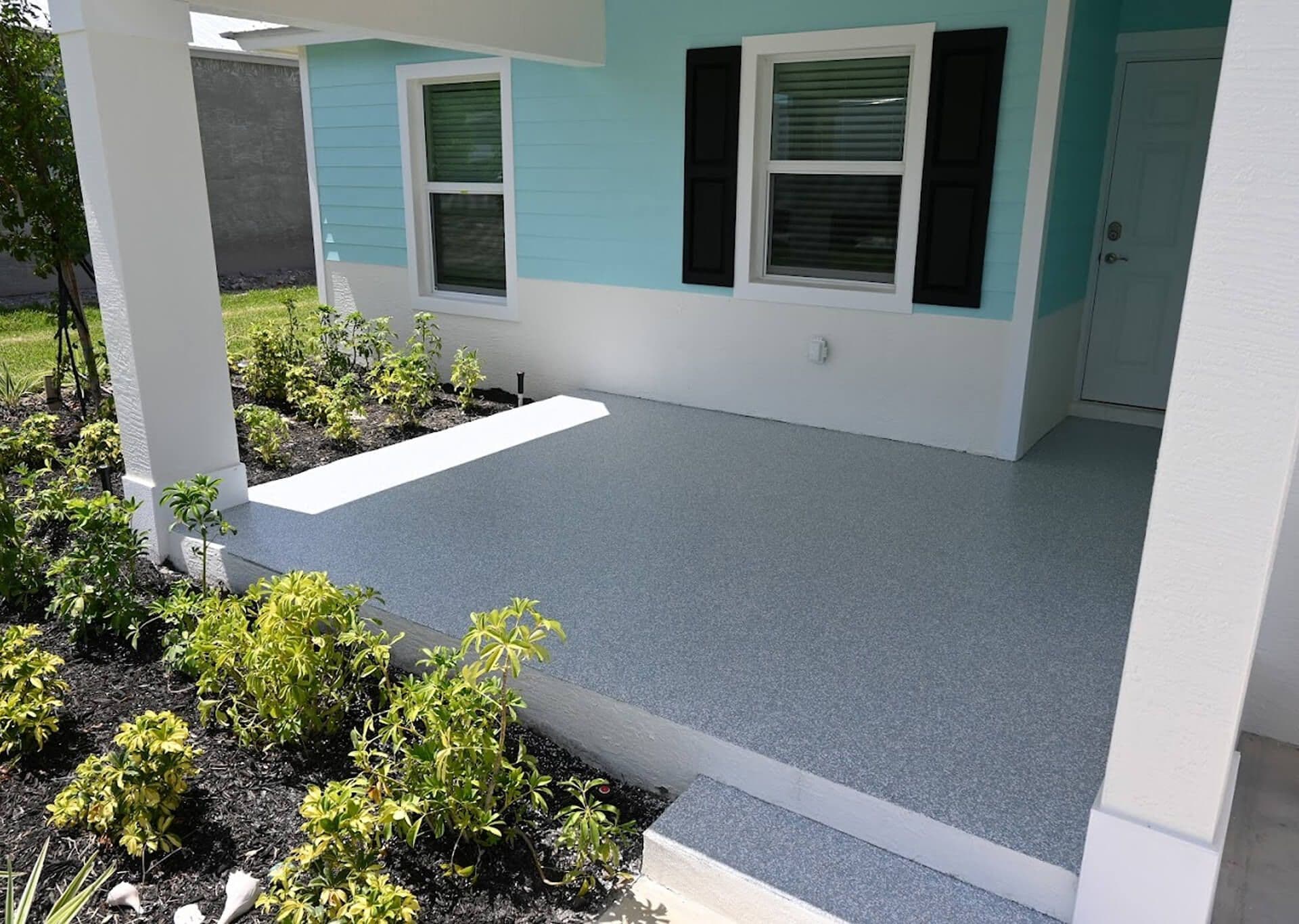
Get your new driveway installed in just one day with Floortek’s driveway resurfacing services! Call us today for a free quote!
Or contact us online to schedule your consultation!
Testimonials
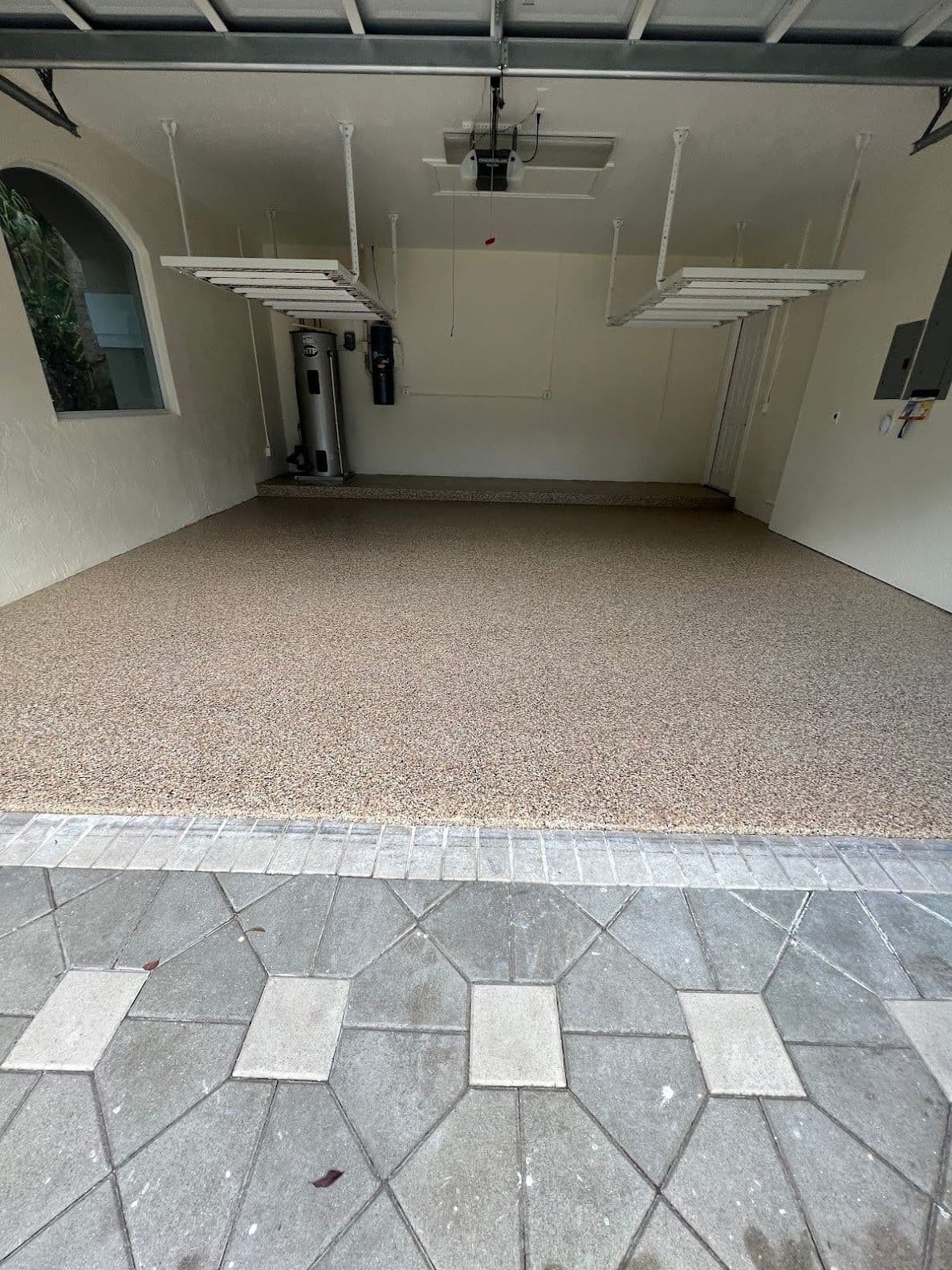
We had both of our garages done and an outdoor concrete platform. The crew was courteous and professional. Everyone from Nancy our salesperson to Patrick, the manager, Logan and his crew were outstanding. Our floors look fantastic and we were very happy we chose this company.
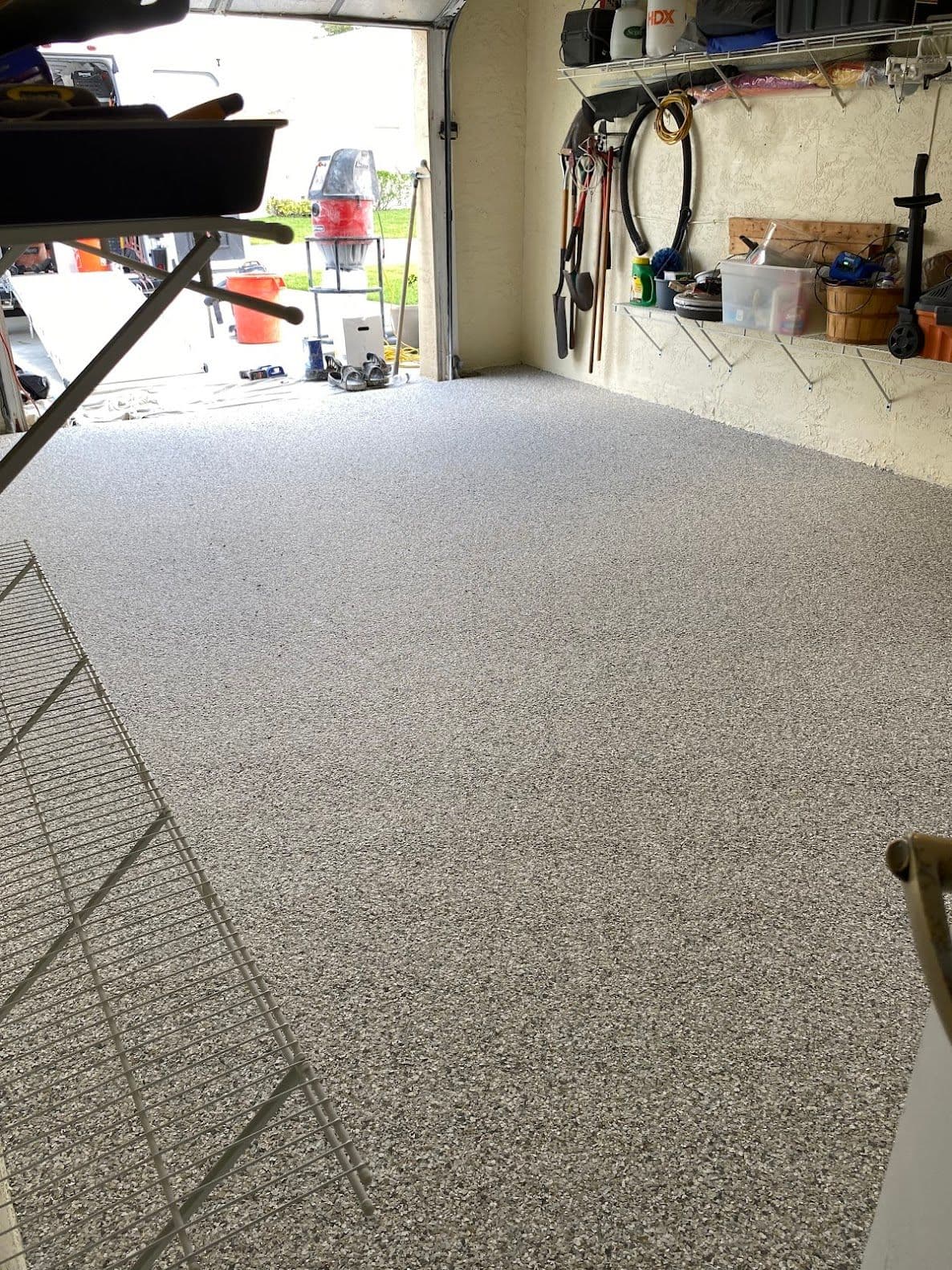
I am very pleased with the quality of work FloorTek has done for me. The two employees that did the actual work were very courteous, worked hard, and explained everything they were doing. Thank you for a great job.
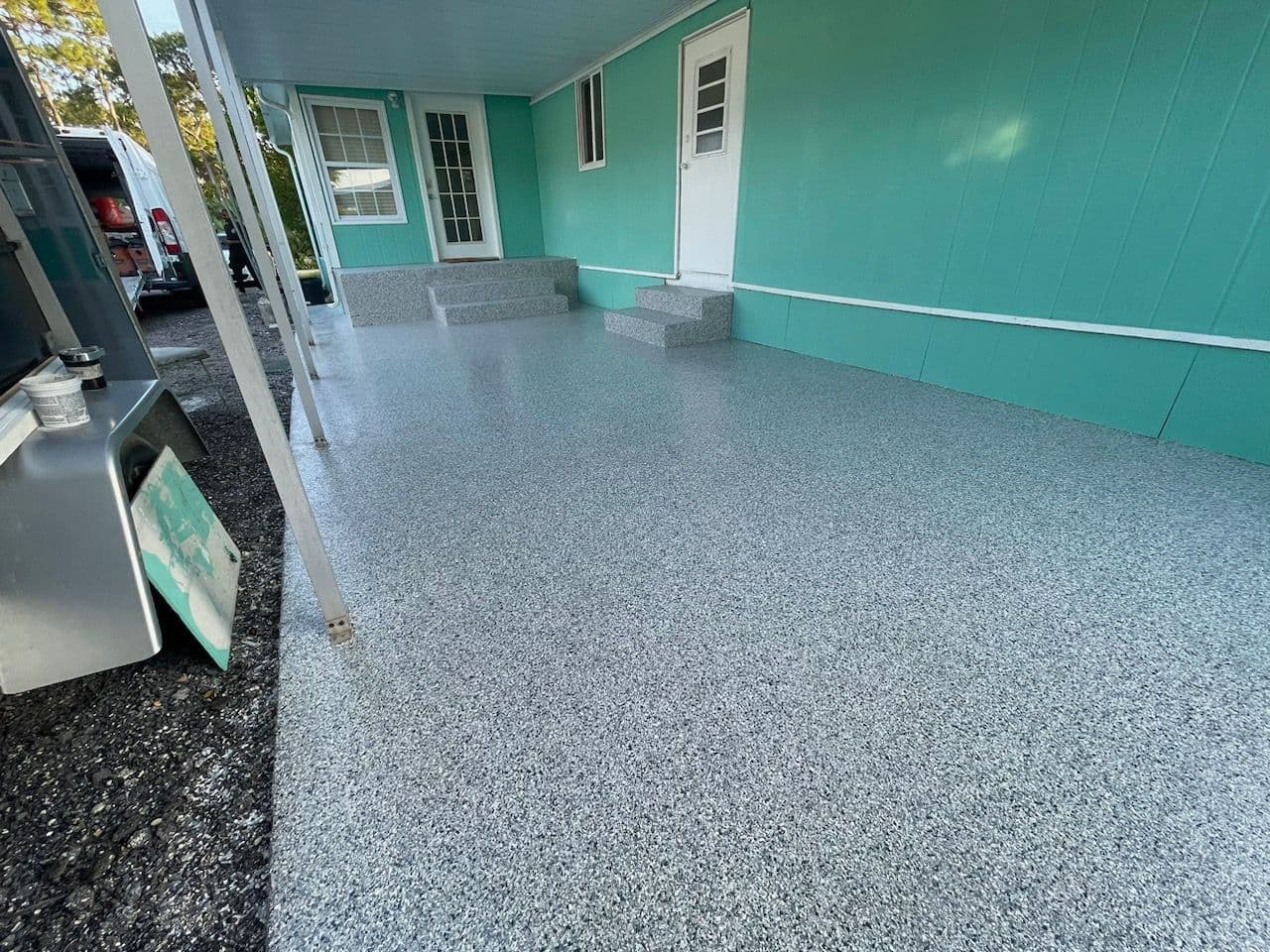
I was happy with the job Floortek did. Good customer communication and customer relationship. My old ugly porch was transformed and I love it. Nancy was very helpful throughout the process. Just know that rain may impact your schedule to make sure the products at highest quality during application.



Contact FloorTek Today