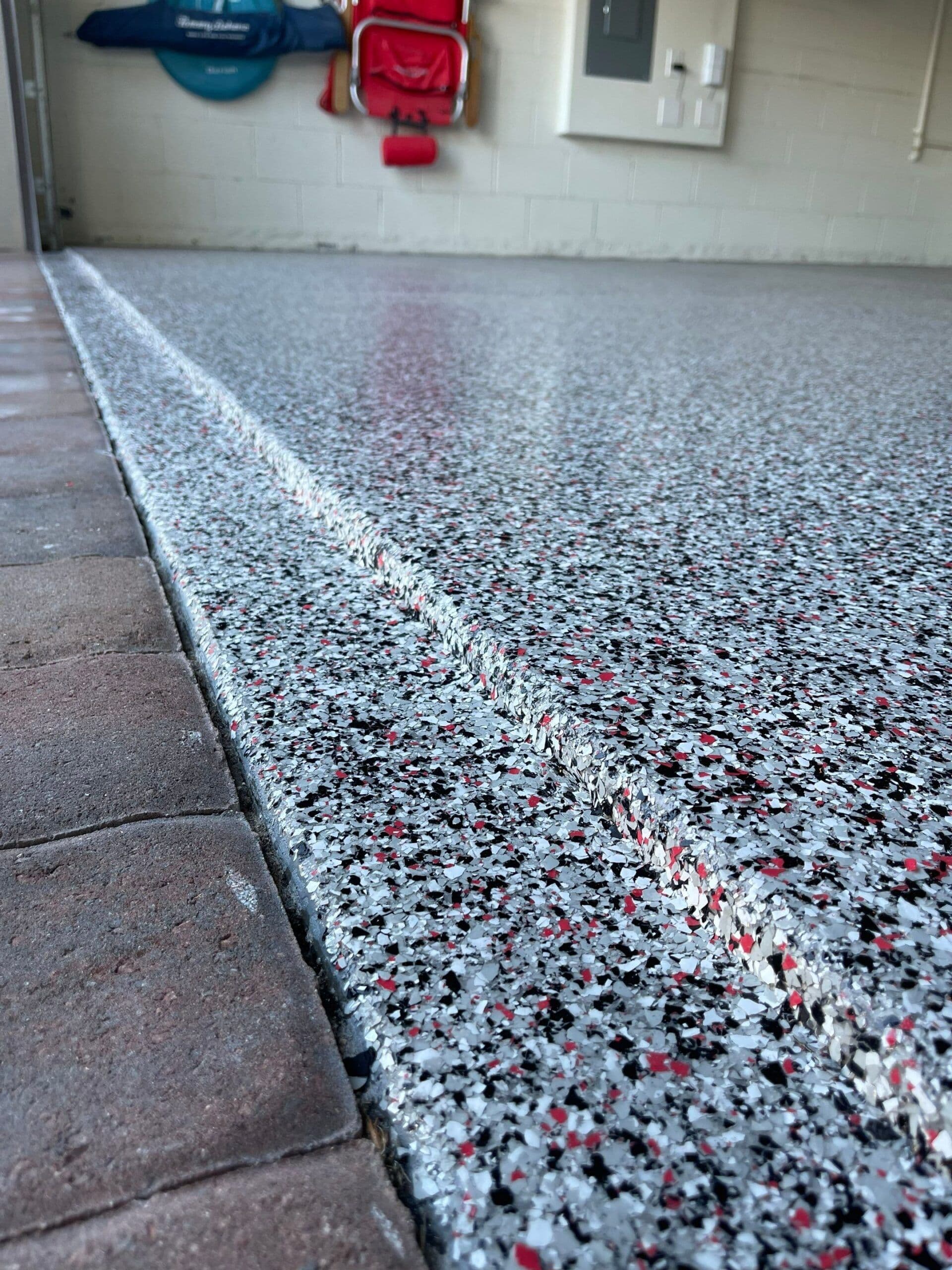
Polyaspartic Floor Coating vs. Epoxy: Why Floortek’s Modern System Is 10X Better
Welcome to Floortek! You're here because you’re looking to upgrade your concrete floor and trying to decide between two popular options: polyaspartic vs. epoxy. We get this question every day. For years, epoxy was the only choice available, but the floor-coating world has changed dramatically. Today, the clear winner is polyaspartic, and we're here to tell you why our advanced system is 10X better than epoxy for your home in the United States, especially given the diverse and often extreme climate conditions.
The Biggest Problem with Epoxy: Time, Temperature, and the Sun
If you’ve heard of concrete coatings, you’ve probably heard of epoxy. It's the old standard, a thick resin that cures when mixed with a hardener. It creates a durable, high-gloss surface—at first. But epoxy comes with three major drawbacks that make it ill-suited for the modern homeowner seeking a long-lasting solution, particularly in garages, patios, and driveways.
1. The Wait: Cure Time and Inconvenience
The most significant advantage of our floor system is its rapid cure time, allowing you to enjoy your upgraded floor in just one day and reducing your inconvenience.
Foot Traffic: You typically can't even walk on an epoxy floor for 24 to 48 hours.
Vehicle Use: Getting your car back into your garage? You often have to wait 5 to 7 full days for the epoxy to cure enough to withstand the weight and heat of tires.
Live in a colder state like Minnesota, New York, or even the mountainous parts of Colorado. The curing process can be even slower because epoxy requires warmer temperatures (ideally above 60°F) to set correctly. This extended downtime means a week of significant disruption for your family and your home schedule. If you are comparing the overall durability and hassle factor, the choice between polyaspartic vs epoxy becomes clear very quickly.
2. The Yellowing: UV Damage and Color Changes
Have you ever seen an old epoxy garage floor that has a yellow, sickly tint, especially near the garage door opening or in a sunny spot? This yellowing, called "ambering" or "chalking," is a fundamental chemical flaw of traditional epoxy.
UV Instability: Epoxy is not UV stable. Sunlight triggers a chemical breakdown in the material, leading to this ugly discoloration.
Outdoor Failure: This makes epoxy a terrible choice for any exterior application, such as patio or pool deck coating. It will quickly turn dull, yellow, and brittle under the intense sun of the Southwest or the humid summers of the Southeast. You should always choose a coating that offers superior UV resistance when deciding between polyaspartic flooring and an epoxy product.
3. The Flexibility Problem: Cracking and Peeling
Your concrete floor is alive—it constantly expands and contracts with changes in the weather and temperature, especially in places that experience freezing winters and scorching summers, like the Midwest or the Northeast.
Epoxy is a hard, rigid material. When the concrete underneath it moves (which it will), the rigid epoxy cannot flex along with it. This causes immense stress on the bond between the coating and the concrete, leading to:
Cracking and Chipping: Rigid epoxy is prone to failure under impact or temperature stress.
Delamination (Peeling): This is the ultimate failure, where the coating lifts right off the concrete surface. The most common cause is "hot tire pickup," in which the heat from your car's tires, combined with the coating's rigidity, lifts the epoxy from the concrete. This structural difference is why professionals prefer polyaspartic over epoxy in the polyaspartic vs. epoxy garage floor coating debate.
Floortek’s Solution: The Superior Polyaspartic System
At Floortek Coatings, we recognized these failures in traditional epoxy floor coatings. That’s why we focus on modern, high-performance polyaspartic systems. Polyaspartic is a type of polyurea, an advanced material developed in the 1990s as a protective coating for steel and concrete in bridges and pipelines—applications where durability is absolutely non-negotiable. This advanced chemistry is why we say polyaspartic is better than epoxy.
Polyaspartic cures in just a single day, allowing you to enjoy your upgraded floor faster and with less disruption to your schedule.
This is the most impactful benefit for homeowners. With our 1-day floor coatings system, you can drop off your car on Friday morning and park it back in your newly coated garage on Saturday evening!
Rapid Cure: Polyaspartic sets incredibly fast, often being walkable in just a few hours. This minimizes the disruption to your family life.
Quick Turnaround: We can perform the complete professional installation—prep, base coat, flake broadcast, and polyaspartic topcoat—in a single, condensed timeframe. You won’t have to clear out your garage for an entire week as you would with epoxy. This speed and convenience alone make the polyaspartic floor coating vs epoxy comparison an easy choice.
Polyaspartic Defeats the Sun and the Weather
Because of its unique chemical structure, polyaspartic is fully UV-fading, making it ideal for outdoor areas like driveways and patios exposed to the sun.
Perfect for Outdoors: Its UV stability makes it ideal for any outdoor space. If you are looking for a beautiful, durable finish for your driveway or sidewalk, Polyaspartic maintains its color and sheen for decades.
Temperature Flexibility: Unlike epoxy, which is very fussy about temperature during installation, polyaspartic can be applied over a much wider range, from cold to extreme heat. This means we can install your beautiful new floor virtually year-round, regardless of where you live in the United States. When looking for a coating that handles the extremes of the US climate, polyaspartic coating vs epoxy is not even a contest.
Polyaspartic Is More Durable and Flexible
Durability isn't just about hardness; it’s about toughness and flexibility. Polyaspartic floors are significantly more flexible than epoxy when fully cured.
Flexes with Concrete: When your concrete expands in the summer and shrinks in the winter, the polyaspartic coating moves with it. This flexibility prevents the bond stress that causes epoxy to crack and peel.
Superior Adhesion: Professional polyaspartic systems exhibit strong adhesion to concrete, especially when a professional team adequately prepares the surface. This strong bond means the coating is far less likely to fail, resulting in exceptional longevity and allowing us to offer a life-of-home warranty.
Abrasion Resistance: Polyaspartic is extremely tough and can handle heavy tools, dropped items, and constant vehicle traffic without scratching or wearing down like lower-quality epoxy systems often do. This difference in strength is what truly separates polyaspartic vs epoxy durability.
Polyaspartic Floor Coating vs Epoxy: A Deeper Dive into Real-World Performance
When you compare the two materials, the debate over polyaspartic floor coating vs epoxy really comes down to long-term performance and value. While epoxy may seem cheaper upfront, its shorter lifespan and high probability of failure in harsh environments make it a poor investment compared to the life-of-home durability of polyaspartic.
Chemical and Stain Resistance
Both coatings offer excellent protection against many chemicals, oils, and automotive fluids, which is essential for a garage. However, the advanced chemical makeup of polyaspartic generally provides superior protection against a broader range of damaging compounds, including salts and de-icing chemicals frequently used on winter roads across the US.
In coastal or snowy areas, the constant exposure to road salts can prematurely degrade an epoxy coating. Polyaspartic handles these corrosive substances with ease, maintaining its beautiful finish year after year. When assessing the chemical resistance for your garage or workshop, remember that polyaspartic is better than epoxy.
The Appearance and Customization
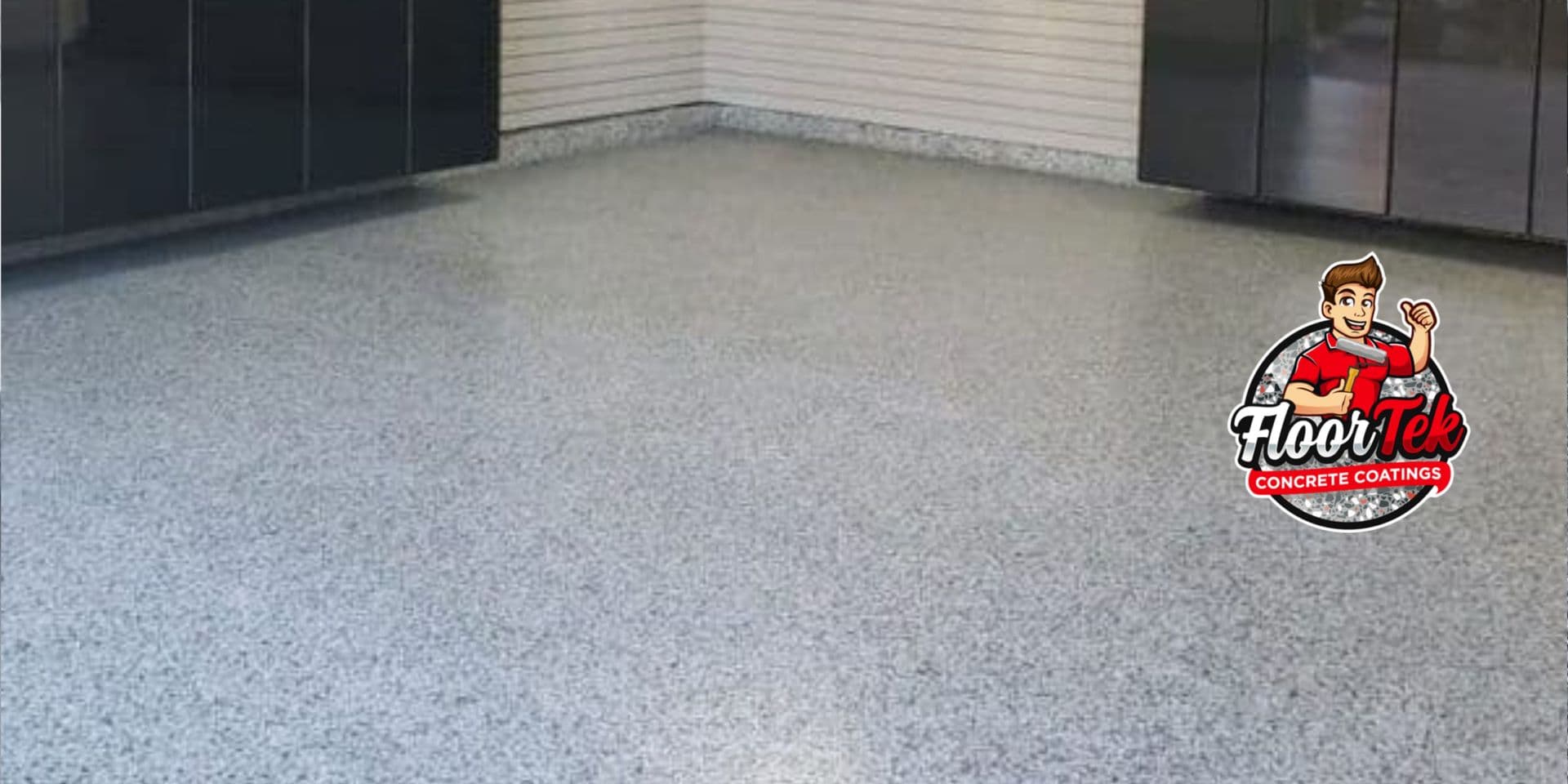
You want your new floor to look amazing. Both coatings can be customized with our wide range of Colors and Flake Options, but there’s a key difference: clarity and finish.
Epoxy: Over time, yellowing can compromise the color and clarity of your finish, especially if you choose a lighter color or use a clear topcoat.
Polyaspartic: Polyaspartic remains crystal-clear and true to its original color forever. Its high-gloss finish provides incredible depth and clarity, making your garage, basement, or coating service in The Area look bright, clean, and modern. You can browse our Gallery. Please take a look at examples of the stunning results.
Installation Matters: A Professional System
Whether you choose polyaspartic or epoxy, the quality of the installation is everything. Epoxy is often sold in DIY kits, which leads to many of the problems homeowners experience. DIY kits usually lack the volume, solidity, and strength of professional-grade materials, and the installation errors from inexperienced applicators are common.
At Floortek, we only use professional-grade systems and follow a meticulous, multi-step process for every floor. We prepare the concrete using specialized equipment to ensure the material chemically adheres to your floor, providing a lasting bond. If you’re interested in the materials themselves, you can learn more about Our Coating Products On our website. This commitment to quality is why our polyaspartic is better than epoxy.
📈 The Long-Term Value and Warranty
When you look at the price tag, a professional polyaspartic installation will cost more upfront than a DIY epoxy kit or a low-end epoxy job. However, you need to think about the cost.
If an epoxy coating fails after three to five years due to hot tire pickup, yellowing, or cracking, you will be responsible for the full cost of removal and reinstallation. This means double the price and double the disruption over a short period.
A high-quality polyaspartic system, installed correctly by a professional company like Floortek, is designed to last the life of your home. By choosing polyaspartic, you eliminate the cost and hassle of future repairs and replacements. We stand behind our work with a robust life-of-home warranty, giving you total peace of mind in your investment. For a detailed breakdown of long-term expenses, see our article on epoxy vs. polyaspartic costs. The data confirms that polyaspartic is better for your wallet over time than epoxy.
Trust and Authority
As you research this critical decision, we encourage you to consult trusted sources. For example, the National Institute of Standards and Technology (NIST) often conducts research in materials science and infrastructure durability, underscoring the importance of high-performance coatings for protecting concrete structures over time and reinforcing the need for a modern, superior solution like polyaspartic. This isn't just a sales pitch; it's a difference in material science that affects your property's longevity. If you want to know more about the structural differences between materials, we have resources discussing epoxy and polyaspartic garage floor Systems.
Frequently Asked Questions (FAQs)
We compiled the most common questions our customers ask when comparing polyaspartic floor coating vs epoxy to help you make the best decision for your home.
How does polyaspartic floor coating vs epoxy compare regarding long-term durability?
Polyaspartic is four times more durable than traditional epoxy systems. A Floortek Coating resists heavy impacts and abrasions that cause epoxy to chip. When evaluating polyaspartic floor coating vs epoxy, polyaspartic offers superior flexibility and strength. We provide a Life-of-home warranty to guarantee this elite performance. Get 30% Off first installation for premium concrete protection. Check local building safety codes for residential floor standards.
What is the curing time difference for polyaspartic floor coating vs epoxy?
Polyaspartic cures in just 24 hours, whereas epoxy requires up to one week. A Floortek Coating allows for next-day return to service for vehicles. This speed is a major factor in polyaspartic floor-coating vs. epoxy comparisons. Our process offers manufacturer-direct value by significantly reducing labor downtime. Every installation includes a Life-of-home warranty for long-term peace of mind. Learn about concrete science from university research resources.
Will sunlight cause yellowing in polyaspartic floor coating vs epoxy?
No, polyaspartic is 100% UV stable and will never turn yellow or peel. Standard epoxy degrades and discolors when exposed to direct sunlight or windows. Choosing Floortek Coating ensures your garage maintains its original color for decades. The debate between polyaspartic and epoxy floor coatings favors polyaspartic for outdoor-exposed areas. Claim 30% Off first installation to protect your investment today. Review environmental impact studies for information on chemical stability.
Which system handles moisture better: polyaspartic floor coating or epoxy?
Polyaspartic bonds deeper into concrete pores than epoxy ever can. Our Floortek Coating includes an integrated vapor barrier to prevent delamination. In the polyaspartic floor coating vs epoxy battle, epoxy often fails due to trapped moisture. We provide manufacturer-direct value with a Life-of-home warranty on every job. This prevents peeling caused by hydrostatic pressure in the slab. See USDA guidelines for industrial facility flooring requirements.
Can you apply polyaspartic floor coating vs epoxy during winter temperatures?
Yes, polyaspartic can be applied in temperatures as low as -20°F. Epoxy requires warm temperatures and will not cure properly in the cold. A Floortek Coating is the reliable, year-round solution for local homeowners. When comparing polyaspartic floor coating and epoxy, climate flexibility is a key technical advantage of polyaspartic. Take advantage of 30% Off first installation for your winter project. Reference university research on cold-weather construction materials.
Which is more resistant to chemicals in the polyaspartic floor coating vs epoxy debate?
Polyaspartic is highly resistant to oil, gasoline, and harsh road salts. Floortek Coating prevents chemical staining that typically ruins standard epoxy finishes. When reviewing polyaspartic floor coating vs epoxy, polyaspartic is the industrial-grade choice. Our Life-of-Home warranty covers chemical-related failures for your garage. Experience manufacturer-direct value for your home or workshop today. Consult OSHA standards for chemical-resistant flooring safety.
Is polyaspartic floor coating vs epoxy safer for wet garage floors?
Yes, polyaspartic offers superior slip resistance when combined with textured vinyl media. A Floortek Coating provides a safer surface than slippery, smooth epoxy. Analyzing polyaspartic floor coating vs epoxy shows polyaspartic is better for high-traffic areas. This safety feature comes with a Life-of-home warranty for permanent protection. Save more with 30% Off first installation on your safety upgrade. View safety data from the National Institute of Standards.
Why is the ROI higher for polyaspartic floor coating vs epoxy?
Polyaspartic lasts decades, whereas epoxy often requires replacement every five years. Floortek Coating delivers manufacturer-direct value by cutting out middleman retail markups. The long-term cost of polyaspartic floor coating vs epoxy is significantly lower for polyaspartic. We stand by our work with a Life-of-home warranty for every client. Get 30% off your first installation to maximize your home's resale value. Check housing statistics for home improvement ROI data.
Are the odors different between polyaspartic and epoxy floor coatings?
Yes, modern polyaspartic systems have significantly lower VOCs than traditional epoxy. Floortek Coating uses eco-friendly formulas that are safe for indoor residential use. In the polyaspartic floor coating vs epoxy comparison, polyaspartic is the healthier choice. Every installation includes an integrated vapor barrier and Life-of-home warranty. Claim your 30% Off first installation for a safer home environment. Refer to public health reports on indoor air quality.
Does polyaspartic floor coating vs epoxy resist scratches from heavy tools?
Polyaspartic is far more scratch-resistant and flexible than brittle epoxy systems. A Floortek Coating withstands heavy equipment and dropped tools without cracking. When weighing polyaspartic floor coating vs epoxy, polyaspartic is the heavy-duty winner. Our system offers manufacturer-direct value and a Life-of-home warranty. Secure 30% Off first installation for your ultimate garage or workspace. See material science journals for polymer durability research.
Ready to Upgrade Your Floor with Floortek?
You’ve seen the evidence: when it comes to long-term durability, installation speed, and resistance to harsh climate conditions across the United States, polyaspartic is better than epoxy. Why settle for the old, failure-prone material when you can invest in the superior modern solution?
Our team at Floortek Coatings is committed to providing you with a beautiful, ultra-durable floor that will last the life of your home. Don't waste your time and money on a coating that will fail in a few years. Read more about us and our commitment to quality.
We want to make this decision easy for you:
Mention this article and receive 30% off on the first installation!
Get a Free Quote from our experts today.
Get Started Now!
Get a Free Quote: Contact us
Call Us Directly: 844-844-4164 (main phone number)
Learn More About Us: About us
See Our Work: Gallery
FREE In-Home Estimate
Plus 30% Off
Testimonials
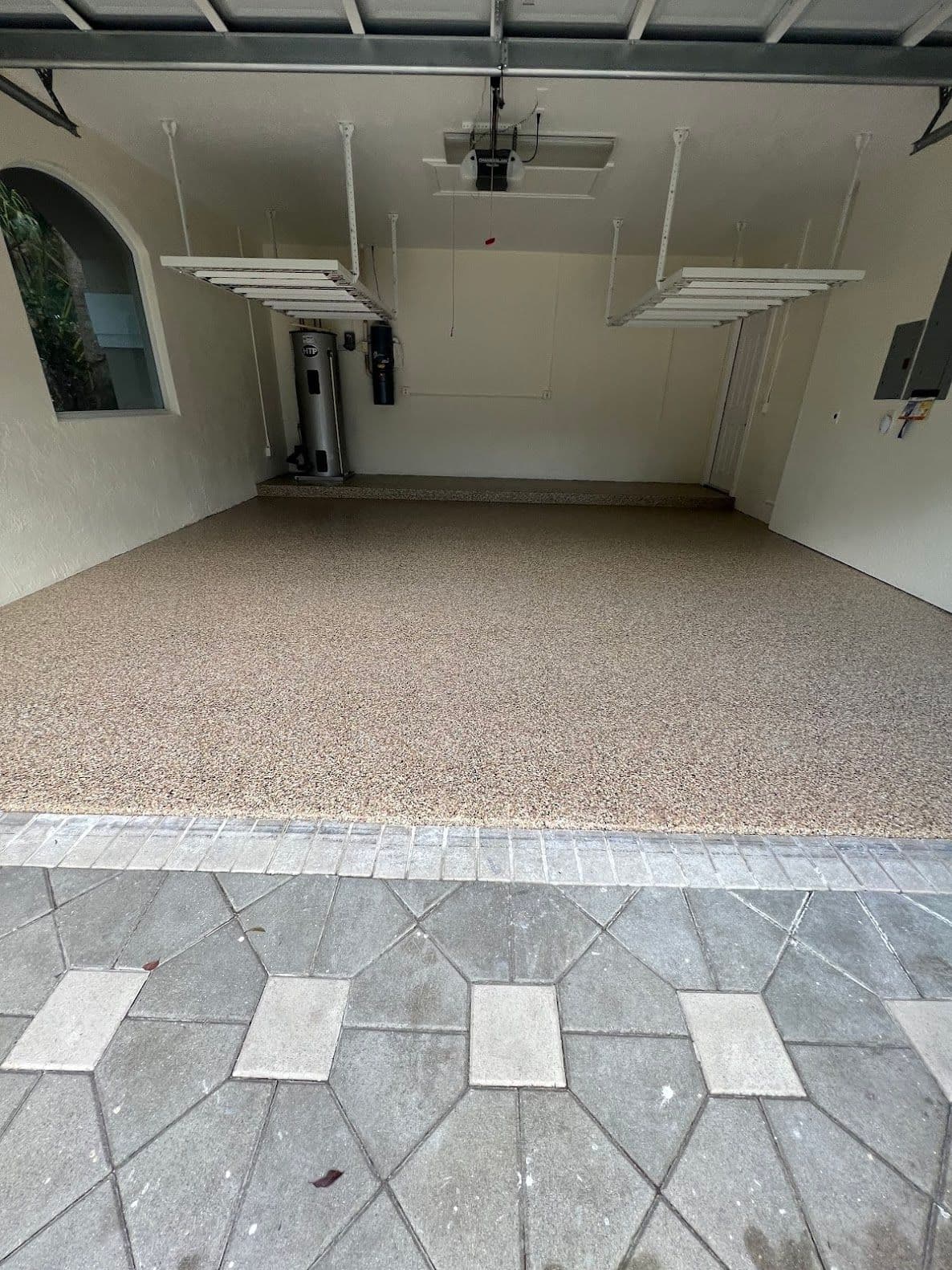
We had both of our garages done and an outdoor concrete platform. The crew was courteous and professional. Everyone from Nancy our salesperson to Patrick, the manager, Logan and his crew were outstanding. Our floors look fantastic and we were very happy we chose this company.
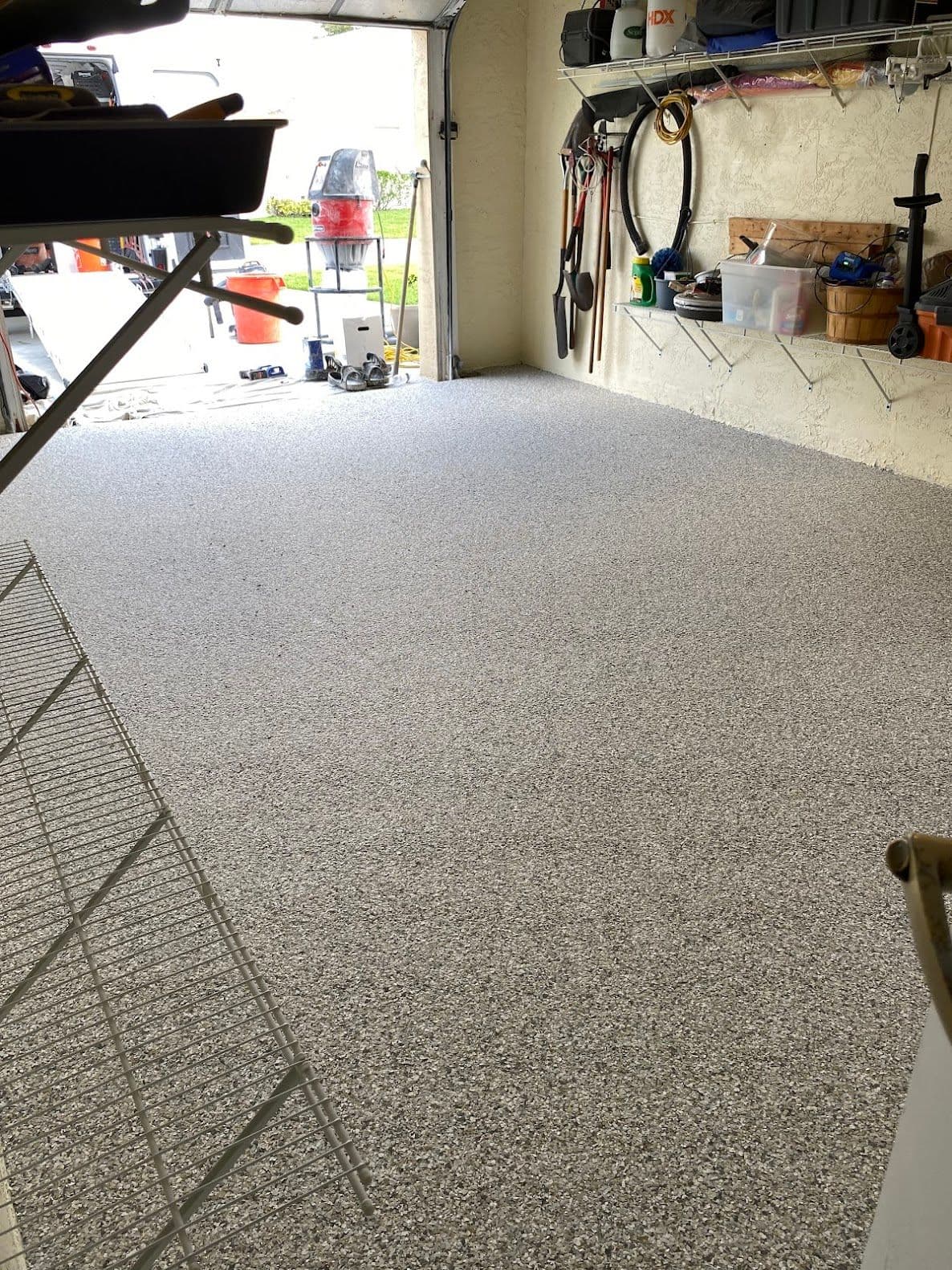
I am very pleased with the quality of work FloorTek has done for me. The two employees that did the actual work were very courteous, worked hard, and explained everything they were doing. Thank you for a great job.
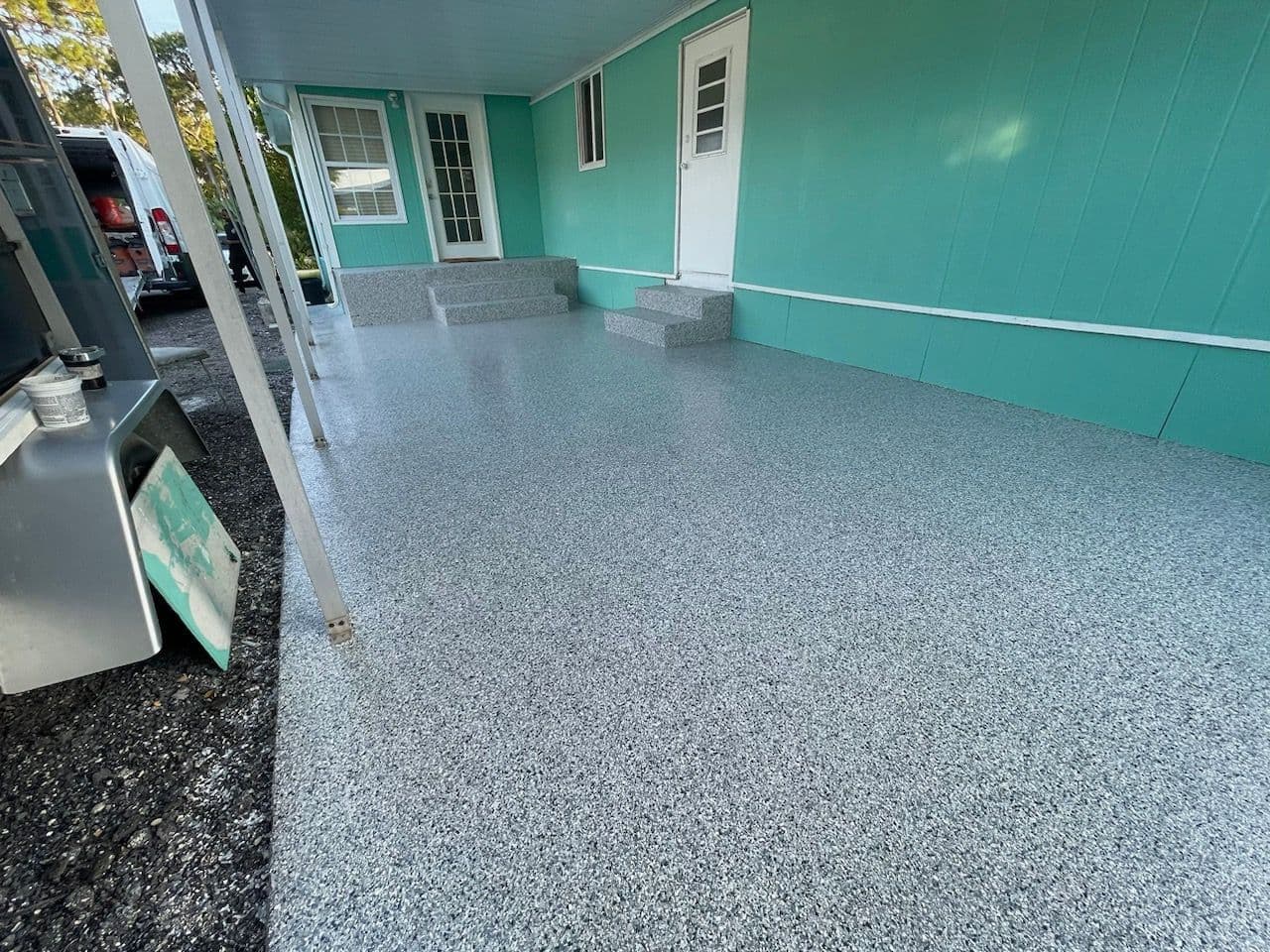
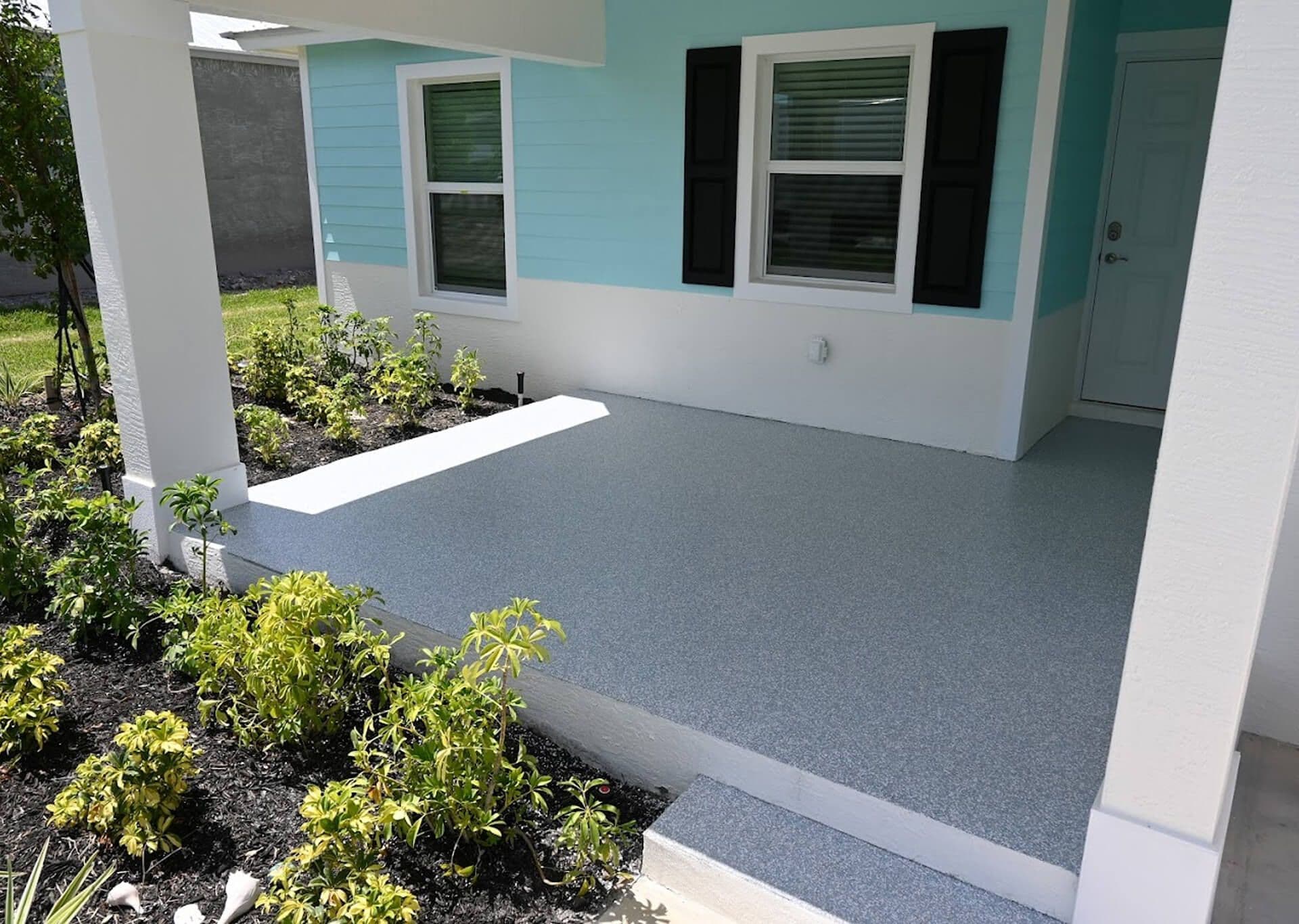
I was happy with the job Floortek did. Good customer communication and customer relationship. My old ugly porch was transformed and I love it. Nancy was very helpful throughout the process. Just know that rain may impact your schedule to make sure the products at highest quality during application.



Contact FloorTek Today