Polyaspartic vs Epoxy Durability: The Honest Truth for Your Home
When you start comparing polyaspartic vs epoxy durability, the differences usually shock homeowners. You might have heard that epoxy is the standard choice for garage floors, but here at Floortek Coatings, we believe you deserve the truth. Traditional epoxy often fails in harsh environments across the US, but our polyaspartic coatings excel in these conditions.
We want to explain why we moved away from older technology and why we stand behind a solution that is 10X better than epoxy. Whether you are looking to upgrade your garage, patio, or pool deck, understanding the science behind polyaspartic vs epoxy durability is the key to making a wise investment.
Why Hardness Isn’t Everything
Many people think that for a floor to be durable, it just needs to be hard. However, concrete is porous, and it moves. The ground beneath your home expands and contracts with the changing seasons.
This is where the battle of polyaspartic vs epoxy durability is decided. Epoxy cures into a very rigid, brittle shell. It sits on top of your concrete like a sticker. When your concrete shifts due to temperature changes, that rigid epoxy shell snaps and peels off.
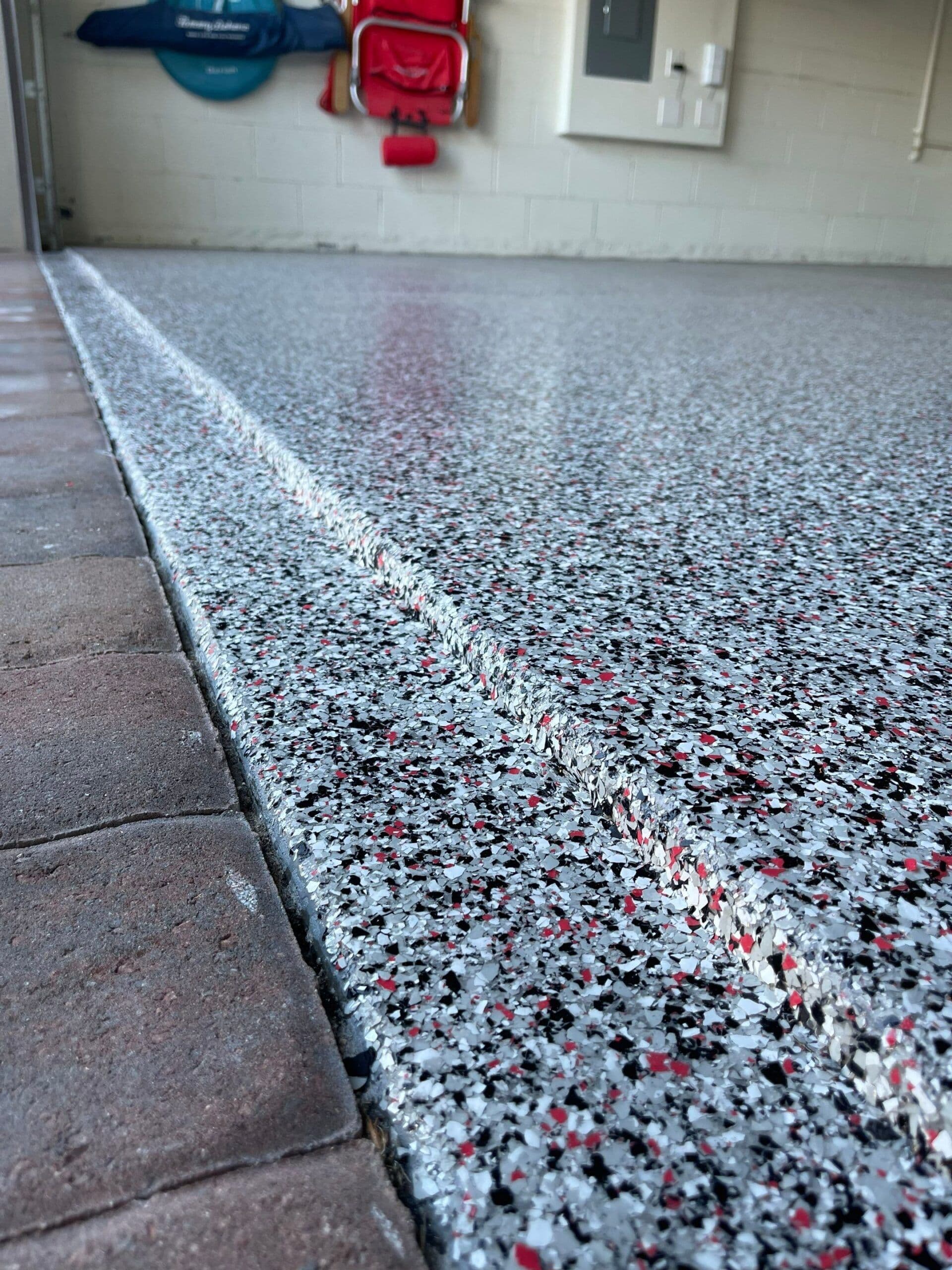
In contrast, the systems we use at Floortek Coatings penetrate deep into the pores. It wicks into the slab and becomes part of the floor. More importantly, it retains some flexibility. This allows it to move with your concrete rather than fighting against it. You can see examples of this strong bond in our Gallery.
Handling the American Climate
Living in the United States means dealing with diverse weather. From the freezing winters in the North to the scorching heat of the South, your outdoor concrete takes a beating.
The Freeze-Thaw Cycle
If you live in an area with cold winters, moisture can get into your concrete, freeze, and expand. This puts immense pressure on any coating. Because polyaspartic coating vs epoxy handles thermal shock differently, polyaspartic rarely cracks under these conditions. Epoxy, being brittle, often fractures after just a few brutal winters.
UV Stability and "Ambering"
Have you ever seen a garage floor that looks sickly yellow? That is what happens to epoxy when it is exposed to the sun. Epoxy is generally not UV stable. Even indirect sunlight can cause it to break down and discolor, a process known as "ambering."
Our polyaspartic coats are aliphatic, which is a fancy way of saying they are UV-resistant. Your floor will look as clear and bright in ten years as it does today. This makes our product the superior choice for outdoor projects. If you need a patio coating, a pool deck coating, or a driveway coating, you absolutely need UV protection.
You can read more about how ultraviolet radiation degrades specific polymers on this University of Illinois educational page.
The "Hot Tire" Pickup Problem
One of the most common complaints we hear from customers who previously bought DIY epoxy kits is "hot tire pickup."
This happens when you drive your car after a long summer drive. Your tires are hot, and the rubber expands. When you park on an epoxy floor, the heat transfers to the coating. Epoxy softens at relatively low temperatures. As your tires cool down, they contract, literally pulling the softened epoxy right off the floor.
When we look at polyaspartic vs epoxy durability, this is a major differentiator. Our coatings have a much higher heat tolerance. You can park your heavy SUV or truck on our floors immediately after a highway drive without worrying about peeling.
Installation Speed: The 1-Day Advantage
Durability also relates to how the floor cures. Epoxy takes a long time to dry—sometimes up to 5 days before you can walk on it. During that long drying time, leaves, bugs, dust, and moisture can get trapped in the wet coating, weakening it before it even hardens.
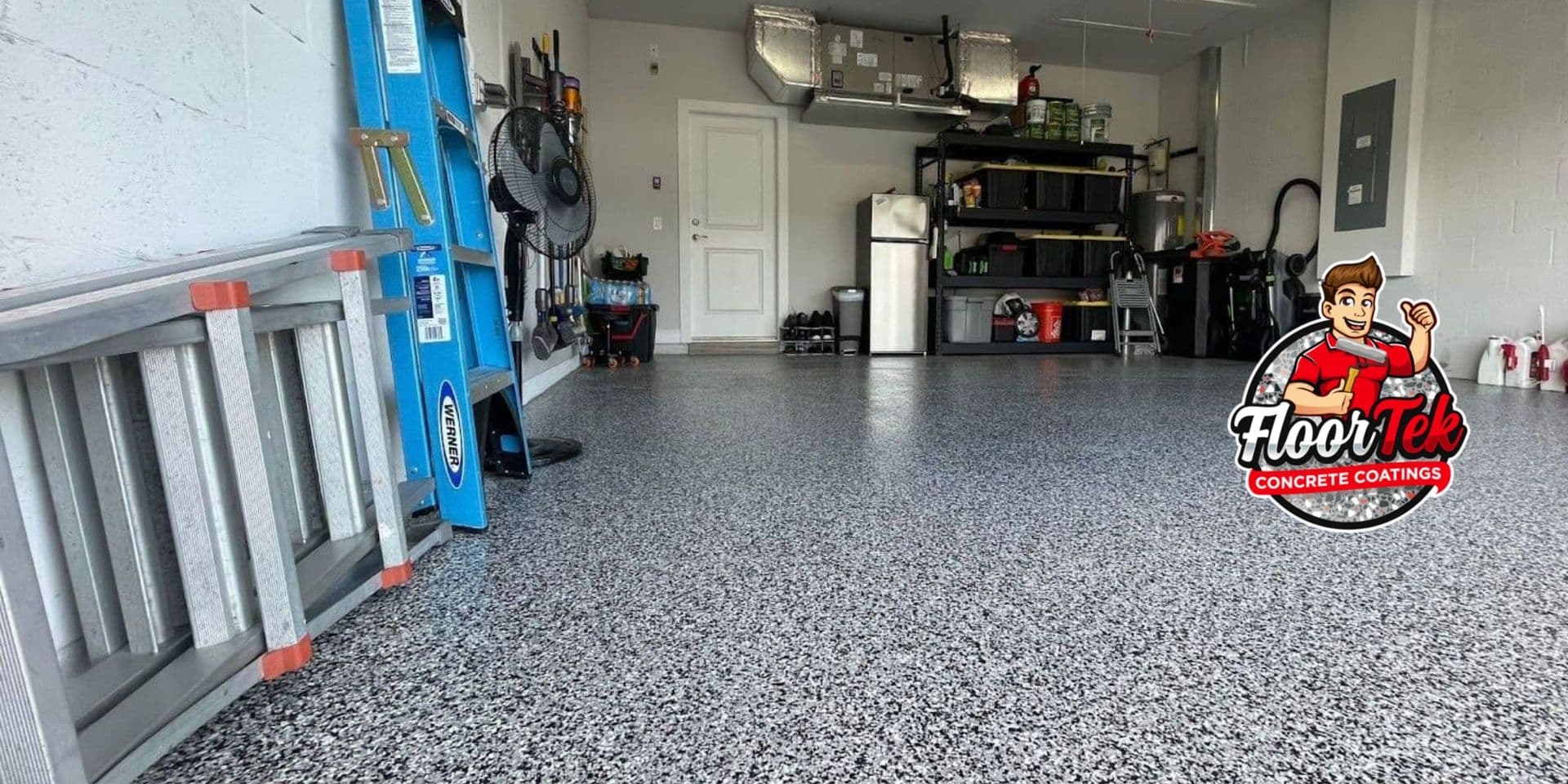
We offer 1-day floor coatings. Our polyaspartic system cures rapidly. This allows us to grind, repair, coat, and seal your floor in a single day. By the time we leave, the chemical bond has already reached its maximum strength. This speed eliminates the risk of environmental contamination during the curing process.
If you are curious about the different applications, check out our sidewalk coating service or our Basement coating service.
The Real Cost of Ownership
We know that budget is always a factor. When you search for epoxy vs polyaspartic costs, you will see that epoxy is cheaper upfront. But you have to ask yourself: Is it really more affordable to replace it every 3 to 5 years?
Cheap epoxy is a temporary fix. Our polyaspartic system is a permanent investment in your home. We are so confident in the polyaspartic vs epoxy durability comparison that we offer a Life-of-Home warranty. You won't get that with a standard epoxy kit.
To see the beautiful finishes available, visit our Colors and Flake Options Page.
30% Off and a Free Quote
We want to make this decision easy for you. We know that once you see the difference, you will never want to go back to epoxy.
Right now, we are offering 30% off on the first installation. It is the perfect time to protect your concrete.
Would you like to know precisely what your project will cost? We offer a Free Quote with no pressure. We will come out, assess your concrete, and give you an honest price.
You can reach us directly by clicking here: 844-844-4164.
Conclusion
The debate over polyaspartic vs epoxy durability isn't really a debate anymore. In modern US homes, epoxy is considered outdated.
If you want a floor that resists hot tires, handles the freeze-thaw cycle, never yellows in the sun, and is installed in just one day, the choice is clear-our polyaspartic coatings are the superior solution.
Read more about our specific epoxy and polyaspartic garage floor Comparisons, or dive deep into polyaspartic floor coating vs epoxy on our blog.
Don't settle for a peeling floor. Contact us to meet our team, or go straight to our Contact Us Page to get started.
Frequently Asked Questions (FAQs)
Is Polyaspartic vs Epoxy Durability the most important factor for garage floors?
Yes. Polyaspartic vs Epoxy: Durability determines how long your floor resists cracking and peeling. A polyaspartic system is four times stronger than standard epoxy. Floortek Coating provides a life-of-home warranty to ensure permanent protection. This manufacturer-direct value beats cheap DIY kits. Visit NIST.gov for material science standards.
Does UV light impact the long-term Polyaspartic vs Epoxy Durability?
Yes. Sunlight causes epoxy to yellow and become brittle within months. Polyaspartic is 100% UV stable and maintains its clear finish forever. Floortek Coating ensures your floor never fades or chalks. This resistance is a key metric in Polyaspartic vs Epoxy Durability tests. Get 30% Off first installation for outdoor-rated coatings. See environmental data at EPA.gov.
Can professional installation improve Polyaspartic vs Epoxy Durability results?
Yes. Professional mechanical grinding allows polyaspartic to penetrate deep into the concrete pores. Floortek Coating uses industrial diamond grinders for maximum adhesion. This bond is critical for winning the Polyaspartic vs Epoxy Durability battle. DIY epoxy often peels because it lacks this deep root system. Research engineering guidelines at Purdue.edu.
Does a moisture vapor barrier enhance Polyaspartic vs Epoxy Durability?
Yes. A high-quality vapor barrier prevents ground moisture from lifting the coating. Floortek Coating includes moisture mitigation to stop delamination. When comparing polyaspartic and epoxy durability, polyaspartic handles higher hydrostatic pressure. Our systems offer manufacturer-direct value for damp basements. Learn about concrete permeability at UFL.edu.
Is hot tire pickup a threat to Polyaspartic vs Epoxy Durability?
Yes. Hot tires cause low-grade epoxy to peel off the floor. Polyaspartic is chemically engineered to resist heat and tire plasticizers. Floortek Coating remains fused to the concrete even in high-traffic zones. This heat resistance proves the winner in Polyaspartic vs Epoxy Durability. We offer a life-of-home warranty against tire peeling. Check polymer heat specs at MIT.edu.
Will winter temperatures affect Polyaspartic vs Epoxy Durability during install?
No. Unlike epoxy, polyaspartic cures perfectly in temperatures as low as -30°F. Floortek Coating crews can install your floor in any season. This flexibility does not sacrifice any Polyaspartic vs Epoxy Durability. Most epoxy requires warm weather to harden correctly. Secure 30% Off first installation this winter. View climate standards at NOAA.gov.
Are chemical spills a risk to Polyaspartic vs Epoxy Durability?
No. Industrial polyaspartic resists gasoline, oil, and harsh road salts. Floortek Coating creates a non-porous shield that prevents chemical staining. In the debate of Polyaspartic vs Epoxy Durability, polyaspartic is the clear choice. This manufacturer-direct value keeps your garage showroom-new. Review chemical safety data at CDC.gov.
Does the cure time influence Polyaspartic vs Epoxy Durability?
Yes. Fast-curing polyaspartic reaches full strength in just 24 hours. Floortek Coating allows you to park your car the next day. This rapid hardening improves Polyaspartic durability vs. Epoxy by reducing dust contamination. Epoxy stays soft for days and attracts debris. Find construction efficiency reports at HUD.gov.
Is the slip resistance of Polyaspartic vs Epoxy Durability adjustable?
Yes. We add vinyl flakes and anti-slip quartz to enhance safety. Floortek Coating ensures your floor is safe even when wet. Textured polyaspartic surfaces provide better traction than slick epoxy. This customization is a benefit of modern Polyaspartic vs Epoxy Durability. Claim 30% Off first installation for a slip-resistant garage. See safety standards at OSHA.gov.
Is the price of Polyaspartic vs Epoxy Durability a good investment?
Yes. While epoxy costs less initially, it requires replacement every five years. Polyaspartic lasts for decades without maintenance or repairs. Floortek Coating delivers the best long-term ROI for homeowners. Choosing the right side of Polyaspartic vs Epoxy Durability saves thousands. Our lifetime home warranty guarantees your peace of mind. Check economic trends at BLS.gov.
Would you be ready to upgrade your home?
Stop worrying about your floor peeling or cracking. Get the durability you deserve.
Get Your Free Quote Today & Save 30%
Or call us right now: 844-844-4164
FREE In-Home Estimate
Plus 30% Off
Testimonials
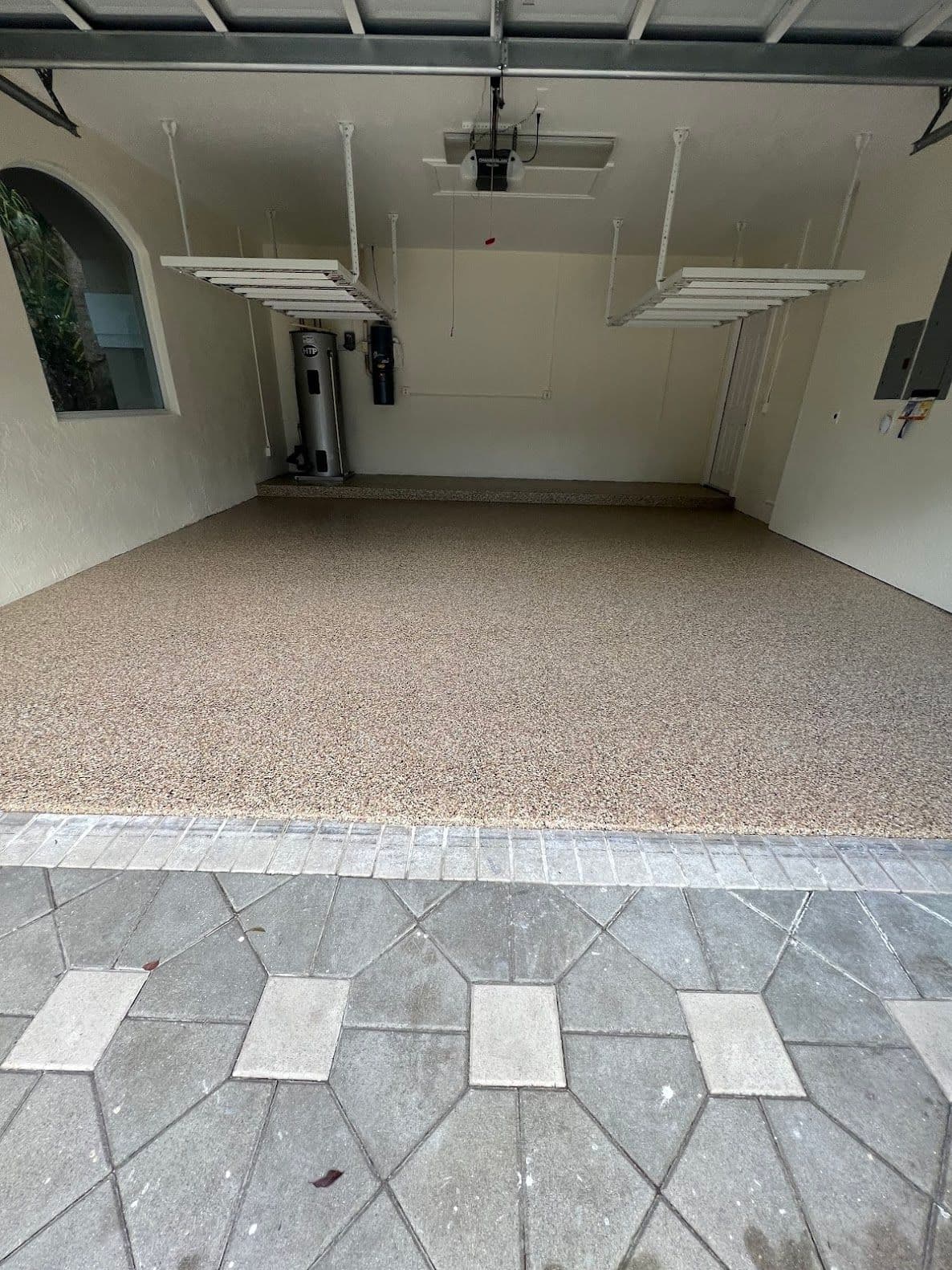
We had both of our garages done and an outdoor concrete platform. The crew was courteous and professional. Everyone from Nancy our salesperson to Patrick, the manager, Logan and his crew were outstanding. Our floors look fantastic and we were very happy we chose this company.
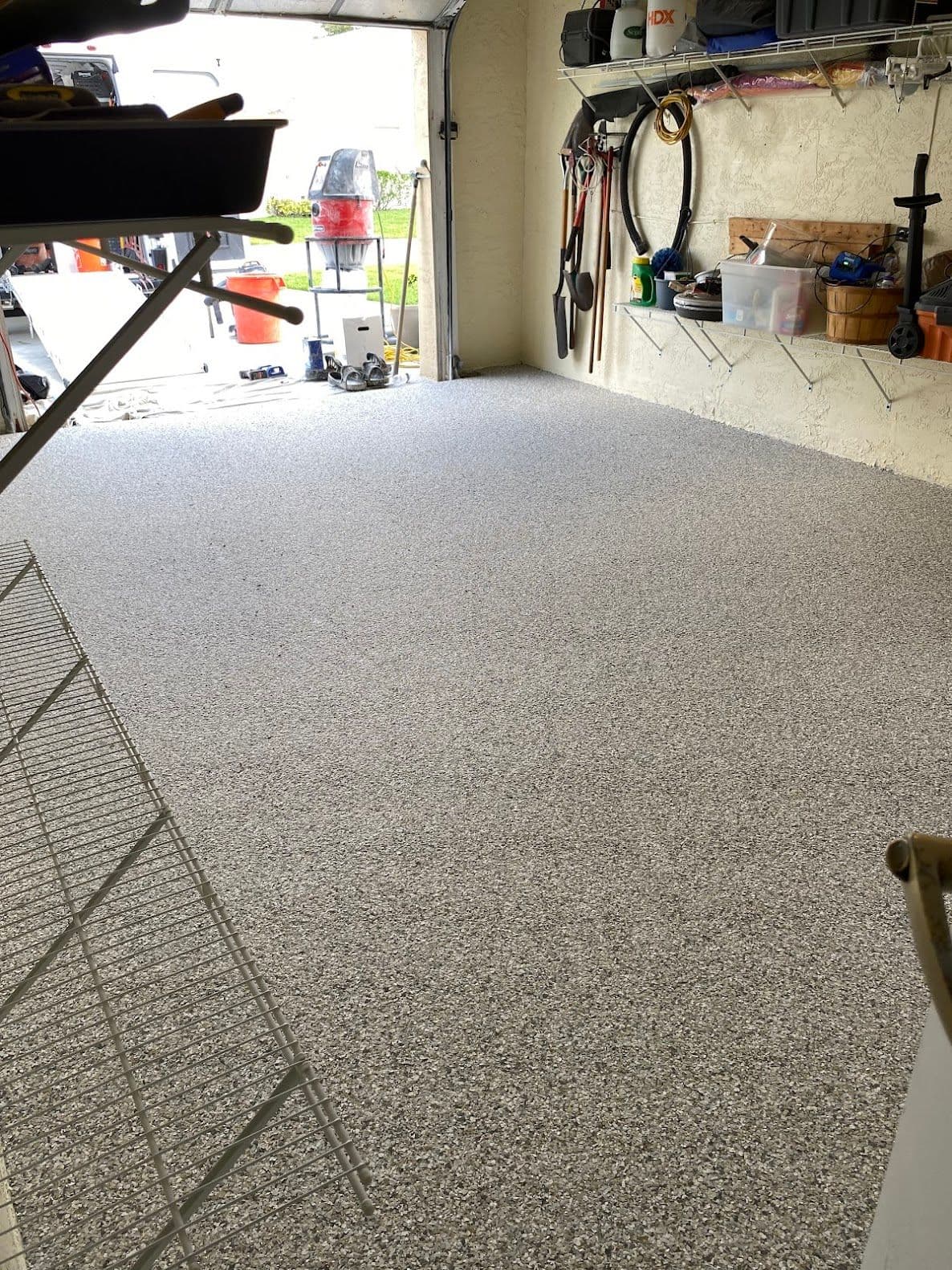
I am very pleased with the quality of work FloorTek has done for me. The two employees that did the actual work were very courteous, worked hard, and explained everything they were doing. Thank you for a great job.
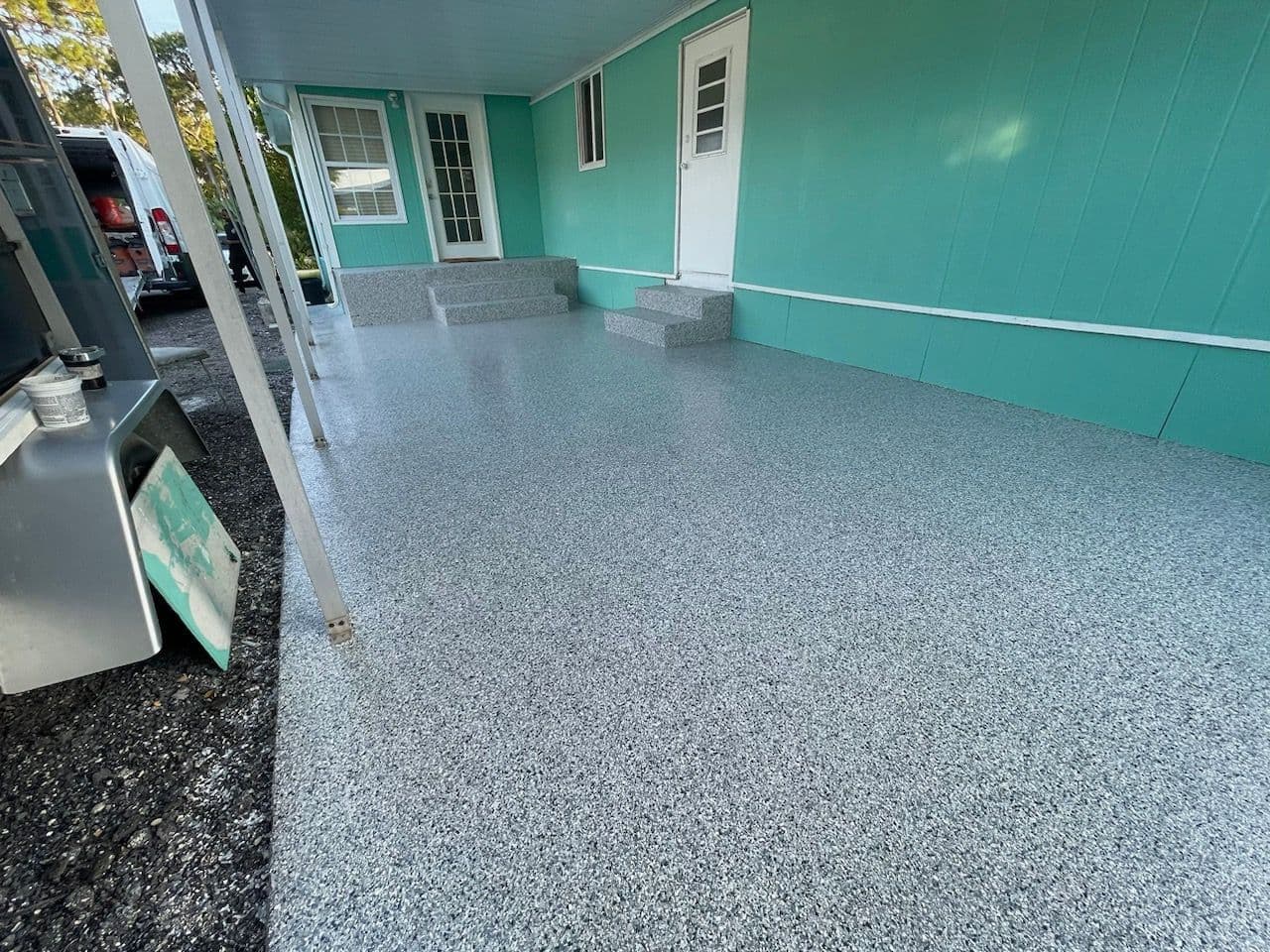
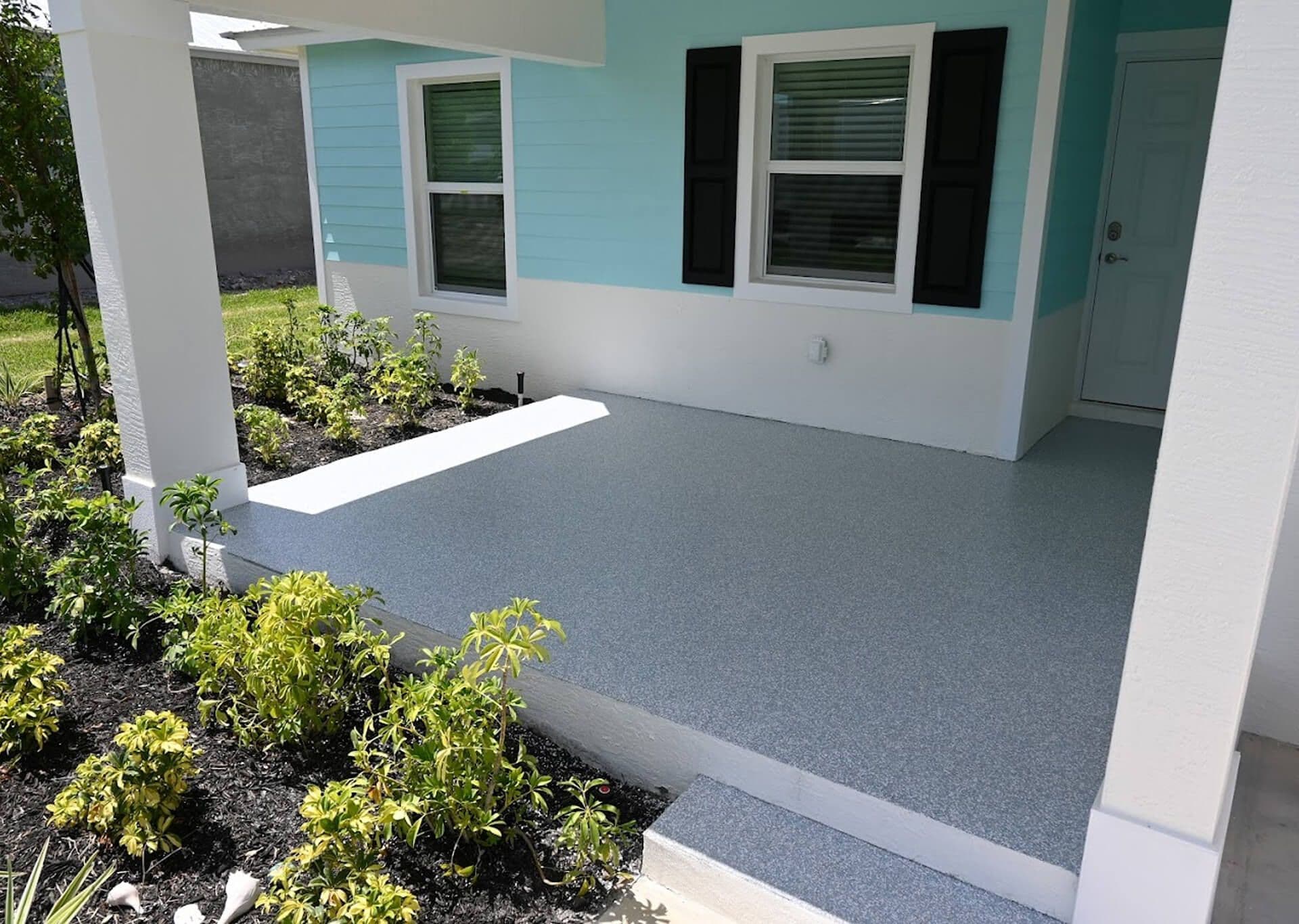
I was happy with the job Floortek did. Good customer communication and customer relationship. My old ugly porch was transformed and I love it. Nancy was very helpful throughout the process. Just know that rain may impact your schedule to make sure the products at highest quality during application.



Contact FloorTek Today