Can You Seal Coat a Concrete Driveway? The Ultimate Houston, Texas, Homeowner Guide
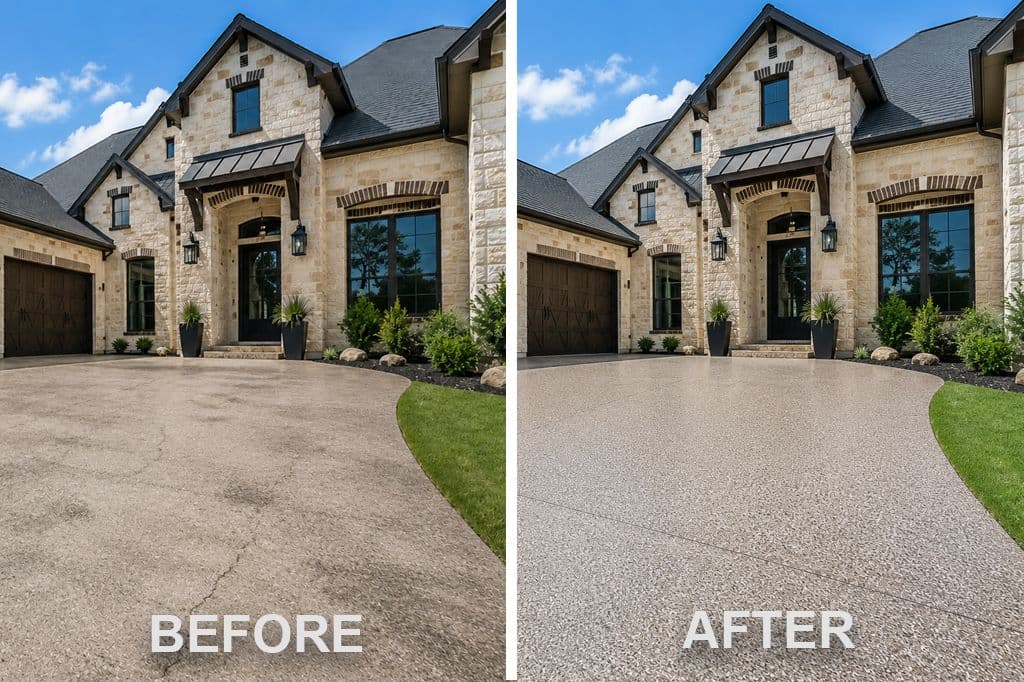
Property owners in Houston face unique climate challenges that accelerate surface degradation, making proper sealing essential for long-term protection.
Floortek Coatings offers advanced polyaspartic systems that outperform traditional coatings, giving homeowners confidence in durable, long-lasting driveway protection.
Understanding Driveway Surface Management in Southeast Texas
Managing a residential concrete driveway requires an understanding of regional environmental pressures. The coastal plains of southeast Texas present significant geological and climatic challenges for rigid pavements.
Homeowners frequently observe shifting slabs, hairline fractures, and surface spalling on unshaded driveways. These issues typically stem from the region's unique structural environment rather than from simple wear and tear.
Concrete Maintenance Requirements in High-Humidity Regions
High Relative Humidity: Heavy seasonal rainfall creates an environment where concrete remains continuously exposed to moisture.
Porous Substrates: Concrete is naturally highly permeable, absorbing liquids through capillary action.
Internal Damage: When moisture remains trapped within the slab, it accelerates internal chemical reactions that weaken the cement matrix.
To ensure Lasting protection, proper surface preparation and moisture management are critical, demonstrating Floortek's commitment to quality and reliability.
Common Myths Surrounding Asphalt Materials and Portland Concrete
Material Differences: A prevalent misconception among property owners involves treating asphalt and Portland cement concrete with the same maintenance products. Asphalt is a flexible, petroleum-based bituminous pavement. Concrete is a rigid composite material composed of mineral aggregates bound by a crystalline cement matrix.
Structural Longevity: Because their chemical structures are completely distinct, products engineered for asphalt will cause severe damage if applied to concrete surfaces. Selecting the correct material class is critical to ensuring structural longevity.
Clarifying the Definitions: Sealcoating vs. Advanced Concrete Coating
When property owners ask if they should apply a protective layer, semantic confusion often leads to incorrect product selection. Understanding the technical boundaries between generic liquid sealers and high-performance polymer coatings prevents costly application mistakes.
The Dangers of Applying Asphalt Emulsions to Portland Concrete
Product Formulation: Standard asphalt sealcoating is a liquefied emulsion formulated from refined coal tar or asphalt cement.
Bond Failure: This material is designed exclusively to replenish the flexible binders in blacktop pavements. If applied to a rigid concrete slab, it cannot establish a chemical or mechanical bond.
Surface Damage: The dark material will pool on the surface, fail to cure properly, and peel away in large sheets. This creates an unsightly black residue that is exceptionally difficult to remove.
The Right Solution: Homeowners must avoid generic asphalt products and focus on dedicated seal coat solutions for concrete driveways, engineered specifically for cementitious surfaces.
Why Topical Acrylic Sealers Fail Under the Houston Sun
Thin Plastic Films: Many homeowners attempt to protect their properties by applying store-bought clear acrylic sealers. These topical products form a thin plastic film over the surface of the slab. While they provide short-term stain resistance, acrylic polymers are highly sensitive to ultraviolet radiation and thermal stress.
The Blushing Effect: The intense solar heat causes these thin films to degrade, turn yellow, and blush. Blushing occurs when moisture becomes trapped beneath the clear film. This creates milky-white spots that destroy the driveway's visual appeal.
Rapid Degradation: These thin coatings wear away rapidly under daily vehicular traffic, requiring frequent reapplication. To resolve these issues permanently, property owners utilize advanced driveway coatings and concrete systems that create an inseparable bond with the substrate. Upgrading to industrial-grade coatings for concrete driveways helps ensure the protective surface remains intact and free of clouding or peeling.
The Science of Concrete Degradation in Houston
To understand why traditional sealers fail, we must look at the physical and chemical processes occurring within the concrete slab. Concrete appears solid, but its microscopic structure is full of void spaces and channels.
How High Water Tables Affect Concrete Driveways
Groundwater Force: The geological profile of southeast Texas features a very high groundwater table. According to reports from the United States Geological Survey (USGS), regional soils consist heavily of dense clay layers that retain massive volumes of water. This groundwater generates continuous upward pressure against residential foundations and driveways, a process known as hydrostatic pressure.
Vapor Drive: As liquid water transitions into vapor, it rises through the interconnected capillary pores in the concrete slab. When this moisture vapor reaches the surface, it pushes against any non-breathing topical sealer.
The Solution: To prevent moisture damage, we need to add an extra layer called a vapor barrier. This specialized technical layer neutralizes the upward force of moisture vapor drive, ensuring that the protective top coats remain permanently bonded to the concrete.
The Impact of Extreme UV Radiation on Garage and Driveway Surfaces
Photo-Oxidative Degradation: The solar profile of the Gulf Coast region delivers prolonged exposure to high-energy ultraviolet radiation—UV rays catalyze chemical degradation in standard polymers.
Molecular Breakdown: When low-grade resins are exposed to this radiation, their molecular chains cross-link excessively or break apart entirely.
Visual Signs: This molecular damage manifests as brittleness, loss of gloss, and surface chalking. Driveways, patios, and pool decks receive the highest dose of this solar radiation, causing standard retail sealers to disintegrate within a few seasons.
Why Traditional Epoxy Fails on Exterior Concrete
For many years, epoxy was considered the standard choice for high-durability floor protection. However, modern polymer engineering has revealed that epoxy systems possess inherent physical limitations that make them unsuitable for exterior applications.
Delamination Risks from Temperature Spikes
Rigid Polymer Traps: Epoxy resins are highly rigid, thermosetting polymers. Once cured, they exhibit minimal elasticity and cannot adjust to the physical movements of the concrete substrate.
Thermal Stress: In Texas, exterior concrete slabs undergo significant thermal expansion during the day and contraction at night. Because epoxy cannot flex in tandem with the concrete, internal mechanical stresses develop along the bond line. Over a short period, these stresses cause the epoxy to crack and delaminate from the slab, leaving large sections of the driveway unprotected.
Chemical Susceptibility of Standard Epoxy Systems
Hot Tire Pickup: Standard epoxy coatings are susceptible to damage from common automotive fluids and household chemicals. When a heated tire parks on an epoxy surface, the polymer softens under the localized heat and pressure. As the tire cools, it fuses with the epoxy, pulling the coating directly off the concrete base when the vehicle drives away.
Fluid Damage: Epoxy surfaces are easily stained and degraded by prolonged exposure to gasoline, brake fluid, and corrosive de-icing salts.
Outdated Alternative: Because of these severe operational limits, epoxy represents an outdated alternative for exterior surface protection.
Polyaspartic Technology: The Superior Modern Alternative
To address the widespread failures of epoxy and temporary acrylic sealers, Floortek Coatings utilizes advanced polyaspartic aliphatic polyurea technology. This next-generation material represents a major advancement in polymer chemistry, specifically engineered to provide maximum protection for residential and commercial concrete surfaces.
Superior Strength: Our polyaspartic formulations are explicitly engineered to be 10X stronger than epoxy.
High Flexibility: The material cures to a highly flexible finish that tolerates continuous substrate expansion and contraction without cracking.
UV Protection: Every application is completely UV Stable, ensuring the surface will never turn yellow, fade, or chalk under direct sunlight.
Chemical Shield: The non-porous structure is highly Chemical Resistant, preventing damage from hot motor oil, gasoline, antifreeze, and fluid leaks.
Rapid Turnaround: We provide an efficient 1-Day installation process, reducing property downtime so homeowners can return to normal driveway use within 24 hours.
Direct Value: By managing our product selection from formulation to field application, we deliver exceptional manufacturer-direct value to every client.
Lifetime Security: Every residential installation is backed by our comprehensive Life-of-home warranty, providing permanent peace of mind.
Advanced Chemical Structure of Polyaspartic Coatings
Aliphatic Chemistry: At the molecular level, polyaspartic materials consist of an aliphatic polyurea network. Unlike aromatic structures found in standard epoxies, aliphatic compounds are chemically immune to ultraviolet radiation. The molecular bonds do not break down when exposed to solar energy. This allows the coating to permanently retain its crystal-clear transparency and physical strength. This advanced chemical architecture allows the material to perform reliably in the harshest outdoor conditions.
Tensile Strength and Elasticity Comparison
Mechanical Performance: The superiority of polyaspartic technology over epoxy is demonstrated by its mechanical properties. According to polymer research data published by the National Institute of Standards and Technology (NIST), polyaspartic coatings exhibit significantly higher tensile strength and elongation than standard epoxy resins.
Movement Absorption: While epoxy is rigid and brittle, polyaspartic material can elongate and flex. This elasticity allows the coating to absorb the physical movements of concrete driveways resting on shifting Texas clay soils, preventing cracks and delamination.
Pre-Coating Requirements: Moisture Management and Substrate Preparation
The longevity of any protective system depends entirely on the quality of the surface preparation and moisture management executed before the chemical application begins. We never cut corners or rely on quick acid washes, which fail to prepare the concrete properly.
Mechanical Profiling via Diamond Grinding
Opening the Pores: To ensure an inseparable bond, the concrete surface must be mechanically profiled to open its internal pore structure. Our professional teams use heavy industrial planetary diamond-grinding machinery equipped with integrated dust-collection vacuums.
Laitance Removal: This mechanical grinding process removes the weak, powdery top layer of concrete known as laitance. It uncovers the strong aggregate beneath and creates a textured surface profile corresponding to the International Concrete Repair Institute (ICRI) Concrete Surface Profile (CSP) standard of 2 or 3. This texture allows our polyaspartic base coat to penetrate deep into the concrete capillaries, creating a permanent mechanical lock.
Mitigating Moisture Vapor Emissions with Vapor Barriers
Evaluating Emissions: Once the concrete pores are open, we measure the slab's moisture emission rate. Due to the high water tables across the Gulf Coast region, sub-surface moisture is a constant threat.
Blocking the Threat: To prevent moisture damage, we need to add an extra layer called a vapor barrier. This specialized base layer is engineered to penetrate the concrete capillaries, where it reacts chemically to seal the channels. By blocking the upward movement of moisture vapor, this barrier protects the subsequent decorative and protective polyaspartic layers from pressure damage, ensuring the coating system never blisters or peels.
Professional Installation Steps for Long-Term Durability
Our certified installation process is engineered to deliver a flawless, high-durability finish within a single day. Our meticulous Floor Coating Service follows a structured process to ensure optimal material performance.
- Concrete Surface: The raw, untreated substrate baseline.
- Diamond Grinding: Removes weak surface laitance and opens concrete pores for maximum adhesion.
- Vapor Barrier Base Coat: Seals internal concrete capillaries to block sub-surface moisture vapor drive.
- Decorative Flake Broadcast: Embeds a full layer of color flakes to add structural thickness and visual depth.
- Polyaspartic Clear Top Coat: Creates a non-porous, high-durability protective shield against UV rays and chemical spills.
1. Inspection and Surface Testing
The process begins with a comprehensive evaluation of the concrete driveway. Technicians measure the moisture content of the slab and inspect the surface for structural defects, deep oil contamination, or previous acrylic sealers. This data allows us to calibrate our grinding equipment and material volume for the specific characteristics of your concrete slab.
2. Crack Repair and Joint Treatment
Next, we address all physical damage in the driveway. Hairline fractures, deep cracks, and spalled joints are cleaned and filled using our specialized polyurea structural repair compounds. These materials cure rapidly and possess immense tensile strength. Once cured, we diamond-grind the repaired areas perfectly flush with the surrounding concrete, creating a seamless foundation for the coating system.
3. Base Coat Application and Full Flake Broadcast
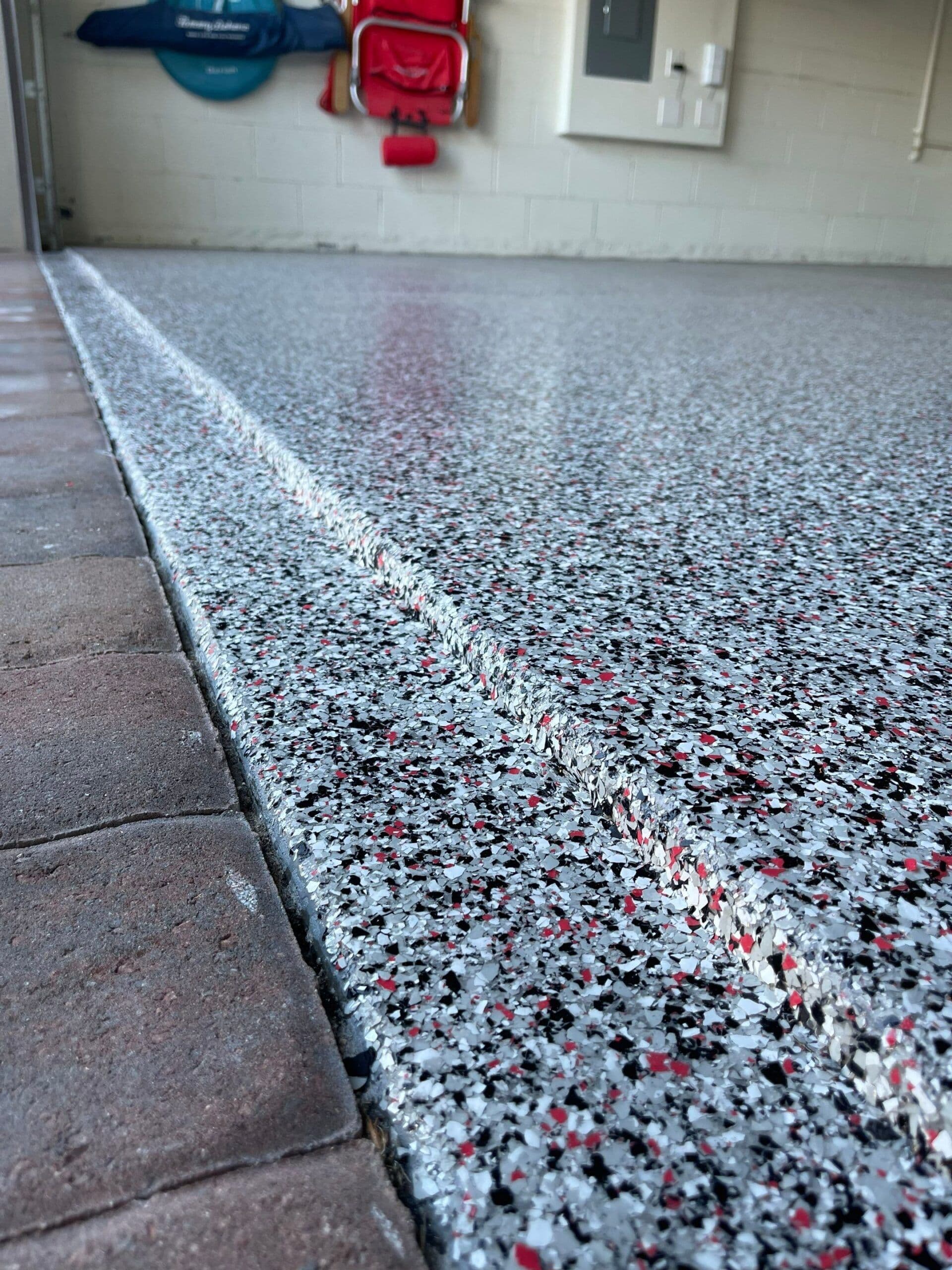
Once the surface is flat and clean, we apply our high-solids polyaspartic base coat infused with the vapor barrier system. While this base layer is wet, our technicians perform a full broadcast of chosen decorative flakes across the entire driveway. The flakes embed themselves into the base coat, providing structural thickness, uniform color distribution, and enhanced visual depth. Homeowners can browse our wide array of Colors and Flake Options to match their home's architectural style perfectly.
4. Final Clear Protective Top Coat Application
After the base layer cures, we reclaim all loose, unbonded decorative flakes and scrape the surface to ensure a flat profile. Finally, we apply our premium polyaspartic clear top coat. This high-build protective layer encapsulates the flake matrix, creating a non-porous shield that isolates the concrete from the environment. This top coat delivers exceptional resistance to impacts, abrasions, UV rays, and chemical spills.
Protecting Concrete Across the Greater Houston Area
Floortek Coatings operates a specialized regional network designed to protect residential concrete surfaces throughout southeast Texas. Homeowners searching for concrete driveway coatings near me can rely on our localized expertise to resolve regional pavement issues. Property owners in Katy can visit our regional headquarters located at 4109 Katy Hockley Rd #1, Katy, TX 77493 to examine product samples and discuss their project requirements with our technical team.
Our comprehensive Floor Coating Service in Houston, Texas,s addresses the specific environmental factors unique to individual communities across the region:
Katy and Cypress: We protect surfaces from severe ground movement caused by highly expansive clay soils.
The Woodlands and Spring: Our coatings prevent organic staining from heavy pine tree sap, leaf tannins, and mold growth.
Sugar Land and Pearland: Our high-durability systems resist heavy vehicular wear in dense residential neighborhoods.
Clear Lake and League City: We install advanced vapor barriers to counteract high coastal water tables and intense moisture vapor drive.
Our advanced polymer systems are highly versatile and engineered to protect all residential concrete surfaces. Beyond driveways, we deliver specialized indoor and outdoor installations, including our one-day garage floor coating, high-durability patio coating service, UV-stable pool deck coating service, heavy-duty driveway coating service, protective sidewalk coating service, and moisture-sealing Basement coating service. Homeowners can explore our extensive portfolio of completed projects by viewing the Floortek Gallery to see the exceptional visual transformations we achieve every day.
Environmental and Maintenance Advantages of Polyaspartic Systems
Traditional driveway sealers require chemical stripping and reapplication every two years, releasing volatile organic compounds into local ecosystems. Our polyaspartic systems eliminate this wasteful maintenance cycle by providing a permanent solution backed by a lifetime warranty.
Resistance to Automotive Fluids and Local Contaminants
Total Chemical Isolation: Because our polyaspartic clear coats form a completely non-porous chemical barrier, fluids cannot penetrate the concrete substrate. Leaking engine oil, transmission fluid, gasoline, battery acid, and chemical fertilizers sit harmlessly on top of the coating. The material prevents these fluids from causing chemical stains or weakening the underlying concrete matrix.
Simple Cleaning Protocols for Coated Concrete Surfaces
Low Maintenance: Maintaining a coated concrete driveway is simple and requires no specialized tools or harsh chemical degreasers. Regular maintenance involves rinsing the surface with a standard garden hose or utilizing a mild, pH-neutral soap solution to clear away accumulated dust, mud, or lawn debris. This simple cleaning process eliminates the need for aggressive pressure washing, saving homeowners time and preventing chemical runoff into local storm drains.
To learn more about our corporate structure, engineering standards, and commitment to surface protection, read About us on our official website. You can review our full line of industrial surface options on our Coating Products page, or find the nearest field teams in our Floortek Locations directory. To schedule an immediate surface inspection, contact our central scheduling office at 844-844-4164 or connect with our local Houston service line at 1-346-550-9307.
Frequently Asked Questions:
If my driveway has surface stains, can you seal coat it to cover them?
NO. Applying standard liquid sealers over existing driveway stains will not cover them because clear sealers lack the opacity of pigmented sealers. For deep discoloration, Floortek Coating applies a solid polyaspartic color layer that completely masks stains. This system hides old surface blemishes while generating an industrial-grade barrier across the entire slab.
Traditional clear liquid sealers accentuate existing concrete blemishes, making them appear darker. Our multi-layer polyaspartic system uses dense, colored base coats that completely hide oil saturation and tire marks. Property owners can consult concrete chemical guidelines from the Texas Department of Transportation (txdot.gov) to learn about stain remediation.
After a heavy rainstorm, can you seal-coat a concrete driveway immediately?
NO. Concrete must dry thoroughly before applying any sealer, as trapped moisture will ruin the adhesion of standard coatings. To ensure perfect mechanical bonding, Floortek Coating measures concrete moisture levels using precision digital meters before application. We require the slab to be dry before starting our grinding and coating process.
Moisture trapped inside concrete pores vaporizes under sunlight, creating upward pressure that destroys thin, clear films. Our polyaspartic installation incorporates a specialized vapor barrier base coat to manage sub-surface moisture vapor drive permanently. For technical data on concrete moisture testing, review standards published by the National Institute of Standards and Technology (nist.gov).
If the concrete is heavily spalled, can you seal coat a concrete driveway to level it?
NO. Standard clear coats lack the volume and aggregate density to fill deep spalling or pits in concrete surfaces. To restore damaged concrete surfaces, Floortek Coating utilizes a rapid-curing polyurea filler to patch damaged areas. Our technicians grind these patches flush with the driveway before applying the final polyaspartic floor system.
Thin clear sealers follow the exact contours of damaged concrete, leaving pits and holes completely visible. Our polyaspartic system builds structural thickness across the driveway, restoring a uniform texture. Homeowners can read structural concrete repair studies from the Federal Highway Administration (highways.dot.gov) to analyze optimal patching methodologies.
To prevent damage from hot vehicle tires, can you seal coat a concrete driveway with acrylic?
NO. Acrylic sealers have low thermal resistance, so hot tires can easily soften the plastic film and cause peeling. To prevent hot-tire pickup, Floortek Coating installs a premium polyaspartic coating engineered to withstand extreme heat from vehicular traffic. This cross-linked polymer network does not soften or peel when vehicles park after highway driving.
Standard acrylic clear coats fuse with heated rubber tires as the tires cool overnight. This causes the sealer to pull away from the concrete surface when the car moves. Our polyaspartic alternative is chemically stable under thermal loading, ensuring long-term adhesion. Review material science publications from Texas A&M University (tamu.edu) for information on polymer thermal stability.
If a driveway is unshaded, can you seal-coat a concrete driveway without it turning yellow?
NO. Traditional clear sealers and epoxy resins degrade rapidly under direct solar radiation, causing them to turn yellow and chalk. To combat solar discoloration, Floortek Coating utilizes aliphatic polyaspartic clear top coats that are entirely UV Stable. This specialized formulation maintains long-term transparency and gloss without discoloring under direct Texas sunlight.
Ultraviolet rays break down the molecular bonds within standard aromatic epoxy and clear acrylic resins. This photo-oxidative degradation causes brittleness, cracking, and a distinct amber tint across the pavement surface. Our polyaspartic systems feature a stable chemical structure that resists solar radiation. Check ultraviolet degradation studies on the United States Geological Survey (USGS) website (usgs.gov).
If I want to protect the slab from motor oil, can you safely seal-coat the concrete driveway?
YES. Concrete can be protected against oil stains, but traditional sealers break down over time when exposed to harsh automotive chemicals. To achieve complete chemical isolation, Floortek Coating applies a highly Chemical-Resistant Polyaspartic layer. This dense, non-porous shield stops motor oil, gasoline, and brake fluid from penetrating the concrete.
Standard retail clear coats dissolve when exposed to heavy solvents, engine oil, or caustic fluids. This allows automotive contaminants to penetrate deep into the concrete capillaries, creating permanent black stains. Our polyaspartic formulation blocks chemical penetration, allowing fluids to be easily wiped away. See the chemical containment safety standards at the Environmental Protection Agency (EPA, epa.gov).
To achieve maximum durability, can you seal-coat a concrete driveway with standard epoxy?
NO. Standard epoxy lacks the necessary UV stability and thermal elasticity required to perform on exposed exterior concrete driveways. To ensure maximum durability, Floortek Coating installs an advanced polyaspartic system that is 10X stronger than epoxy. This commercial-grade coating system delivers long-term adhesion without cracking under exterior environmental shifts.
Epoxy coatings become brittle when exposed to outdoor thermal cycles, causing them to delaminate from shifting concrete driveways. Our polyaspartic coatings retain excellent elongation properties, allowing them to expand and contract with the concrete substrate. Property owners should review pavement material performance metrics on the Federal Highway Administration (highways.dot.gov) database.
If I am on a tight schedule, can you seal coat a concrete driveway in one day?
YES. Traditional multi-coat sealers require several days of drying time between layers, but advanced polymers allow for rapid installation. To minimize property downtime, Floortek Coating provides a complete 1-Day installation service for residential driveways. Our polyaspartic technology cures rapidly, allowing homeowners to drive on the surface within 24 hours.
Standard acrylics and epoxies require extended curing windows, keeping your driveway out of service for up to a week. Our advanced polyaspartic formulation reacts chemically to achieve full physical hardness in a fraction of the time. For information regarding rapid-cure chemical polymers, consult technical briefs at the National Institute of Standards and Technology (nist.gov).
To block groundwater from reaching the concrete, can you seal coat a concrete driveway without a vapor barrier?
NO. Applying a coating without a vapor barrier in high-water-table regions can cause blistering due to hydrostatic pressure. To prevent moisture damage, Floortek Coating adds an extra layer,s called a vapor barrier, during preparation. This advanced layer blocks sub-surface moisture vapor from pushing the polyaspartic top coats off the concrete.
Groundwater migrates upward through concrete capillaries via capillary action, exerting immense pressure beneath topical coatings. Without an integrated vapor barrier layer, this pressure creates blisters that cause the coating to crack and peel. Our system neutralizes moisture vapor transmission. Review soil hydrology and groundwater movement studies on the United States Geological Survey (usgs.gov) website.
If I want a long-term warranty, can you seal-coat a concrete driveway using retail products?
NO. Store-bought clear sealers do not offer long-term product warranties because they are designed as temporary surface treatments. To provide maximum investment security, Floortek Coating backs every residential driveway installation with a comprehensive Life-of-Home warranty. Our advanced polyaspartic floor systems deliver permanent protection, eliminating the need for recurring maintenance.
Retail clear coats wear away under tire friction within two to three years, requiring continuous reapplication and incurring ongoing costs. Our manufacturer-direct polyaspartic systems generate a permanent chemical and mechanical bond with the diamond-ground concrete substrate. Property owners can consult the material longevity guidelines from the Texas A&M University Engineering Extension (tamu.edu).
Secure Your Concrete Driveway Today
Do not allow the intense Texas heat and shifting soils to crack, stain, and degrade your concrete surfaces. Traditional liquid clear coats and brittle epoxy systems provide temporary protection and require frequent reapplication. Floortek Coatings delivers an advanced polyaspartic floor system engineered to be 10X stronger than epoxy. Our UV-Stable and Chemical-Resistant coatings provide permanent protection backed by our premier Life-of-Home warranty.
Take advantage of our exclusive seasonal offer and receive 30% off the first installation for your residential project. Contact our professional team today at 844-844-4164 or reach our Houston field office at 1-346-550-9307 to schedule your site inspection. You can also use our secure online portal to contact us and request a free technical estimate. Protect your investment with manufacturer-direct value today.
FREE In-Home Estimate
Plus 30% Off
Update Your Driveway Today!
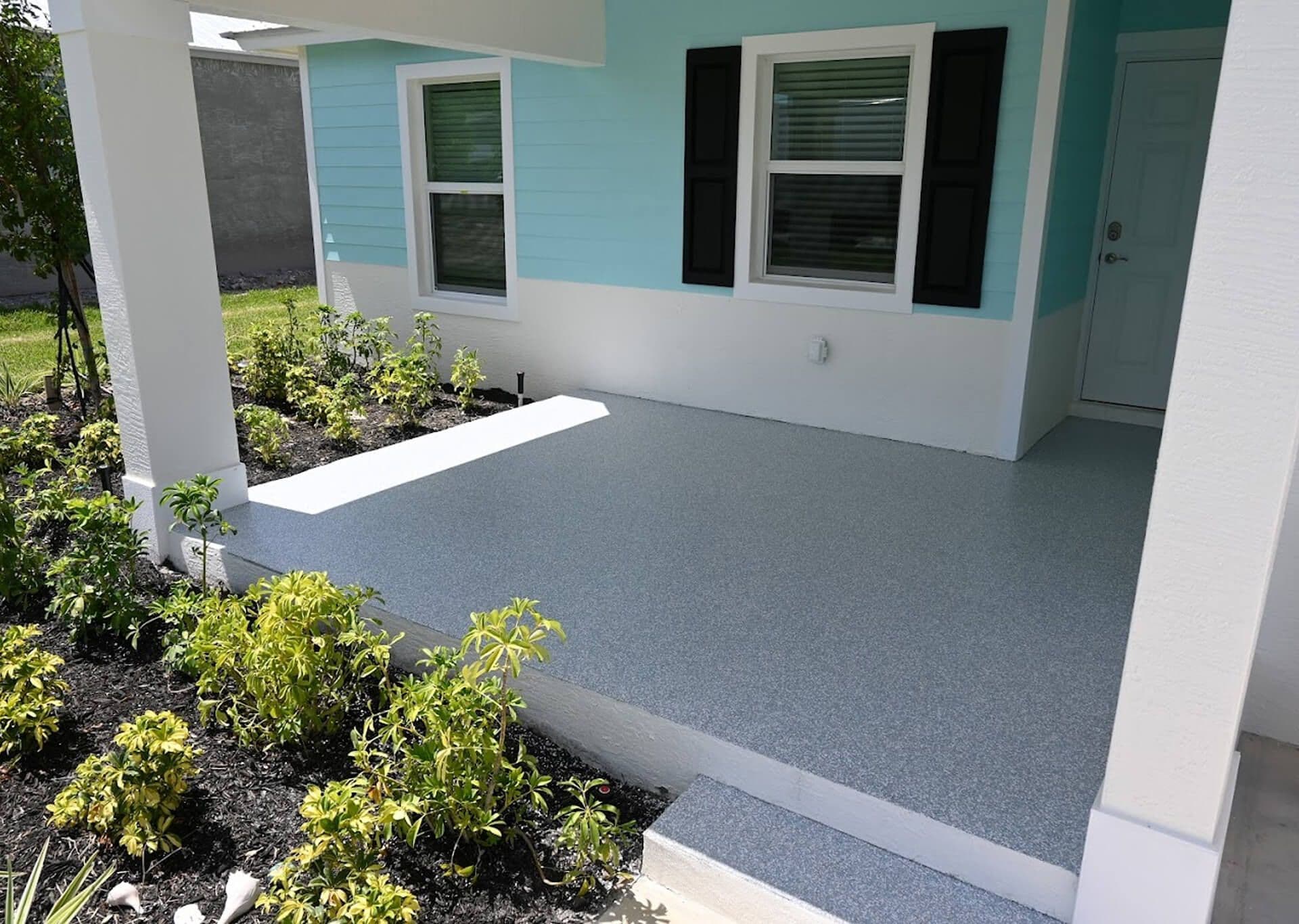
Get your new driveway installed in just one day with Floortek’s driveway resurfacing services! Call us today for a free quote!
Or contact us online to schedule your consultation!
Testimonials
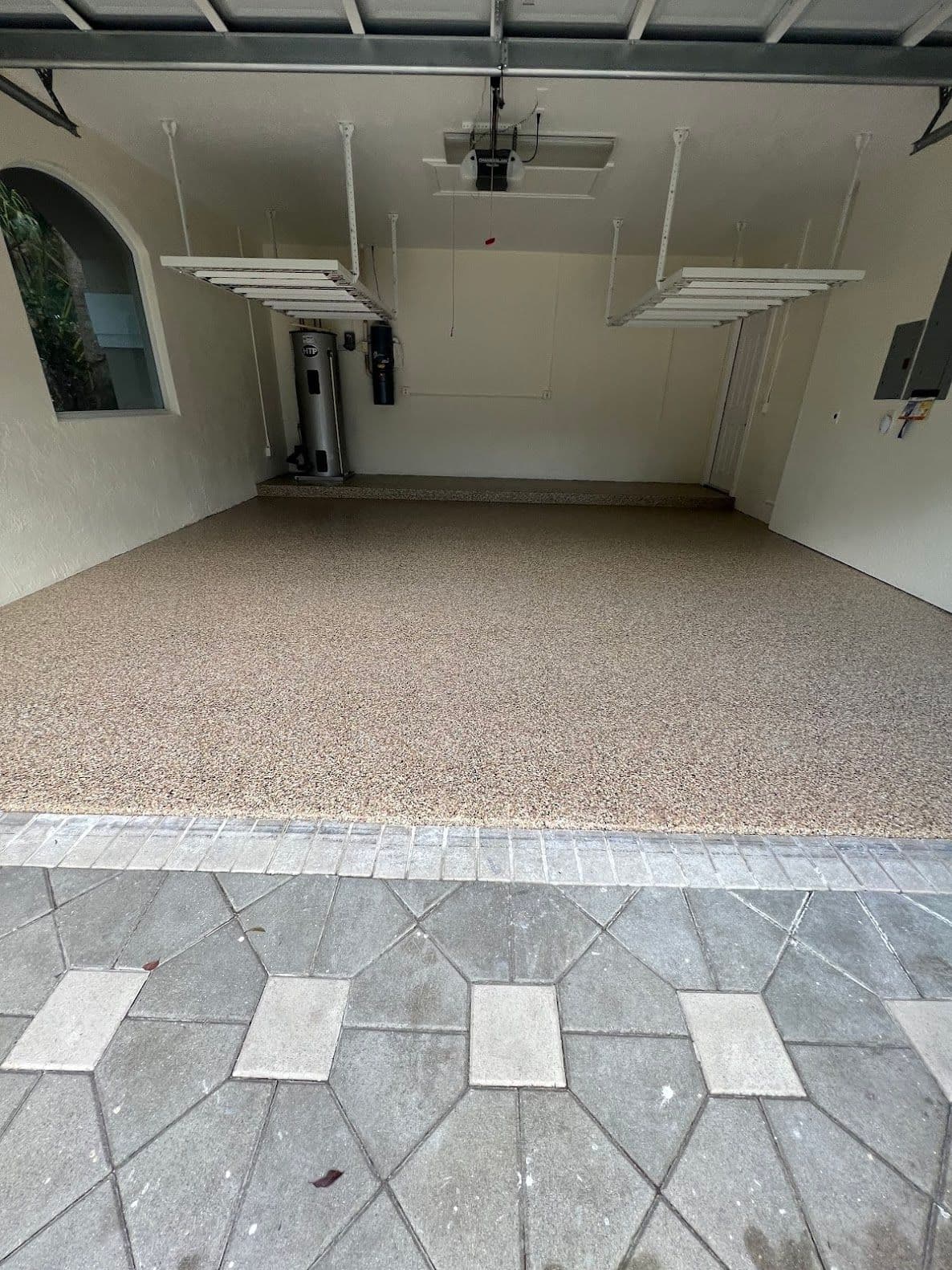
We had both of our garages done and an outdoor concrete platform. The crew was courteous and professional. Everyone from Nancy our salesperson to Patrick, the manager, Logan and his crew were outstanding. Our floors look fantastic and we were very happy we chose this company.
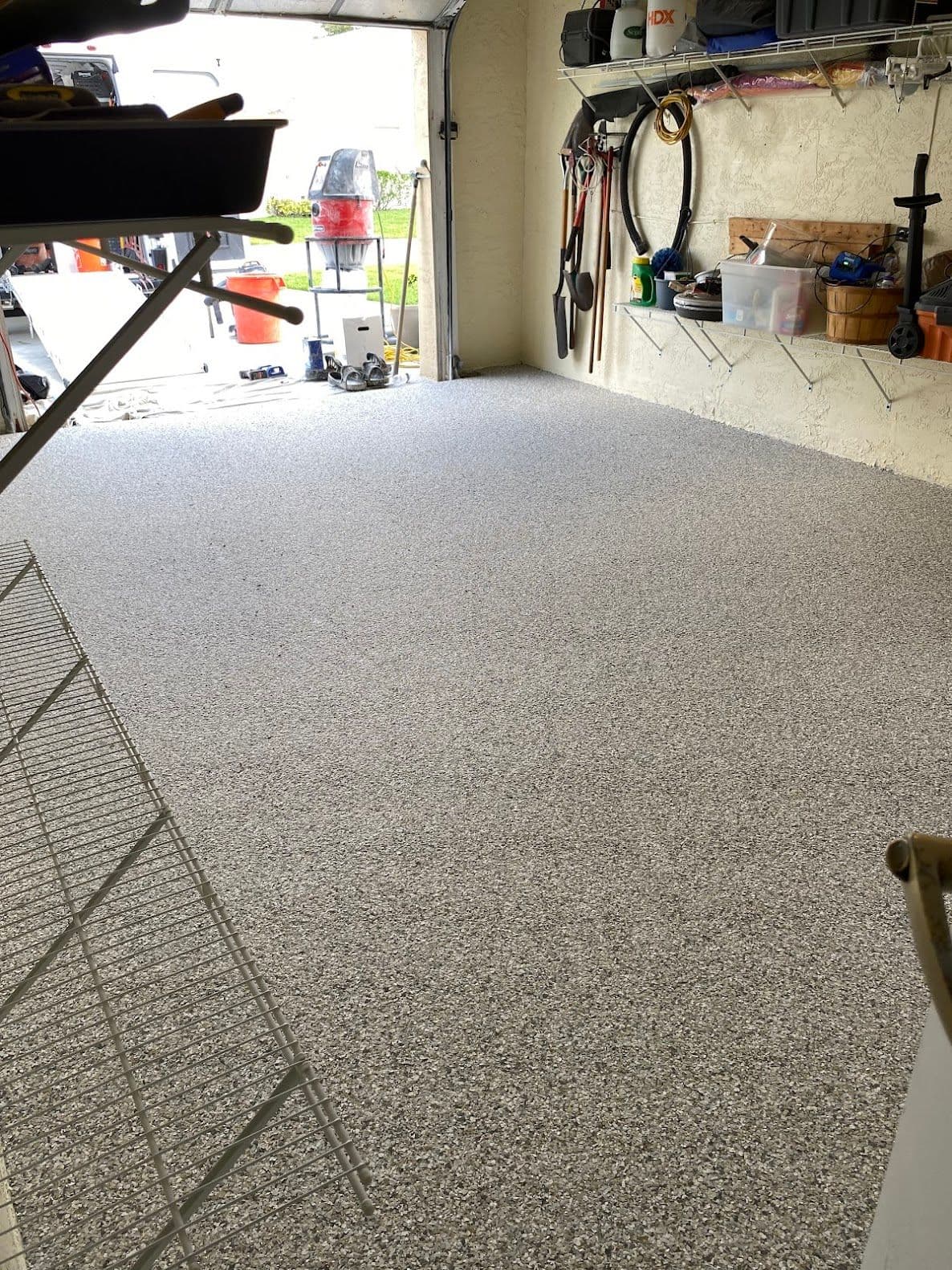
I am very pleased with the quality of work FloorTek has done for me. The two employees that did the actual work were very courteous, worked hard, and explained everything they were doing. Thank you for a great job.
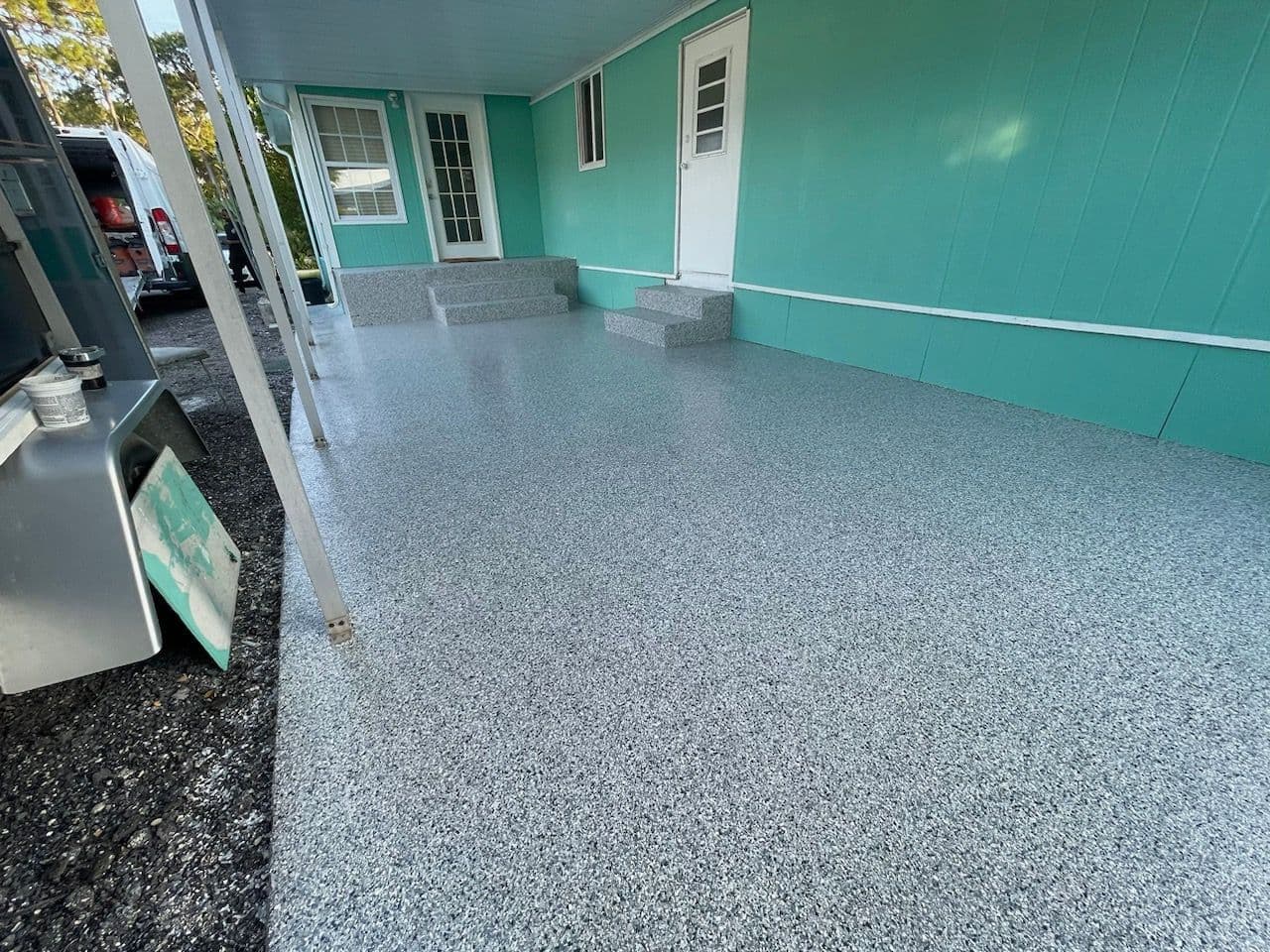
I was happy with the job Floortek did. Good customer communication and customer relationship. My old ugly porch was transformed and I love it. Nancy was very helpful throughout the process. Just know that rain may impact your schedule to make sure the products at highest quality during application.



Contact FloorTek Today