The Technical Guide to PennTek Floor Coating Systems and Premium Polyaspartic Concrete Protection
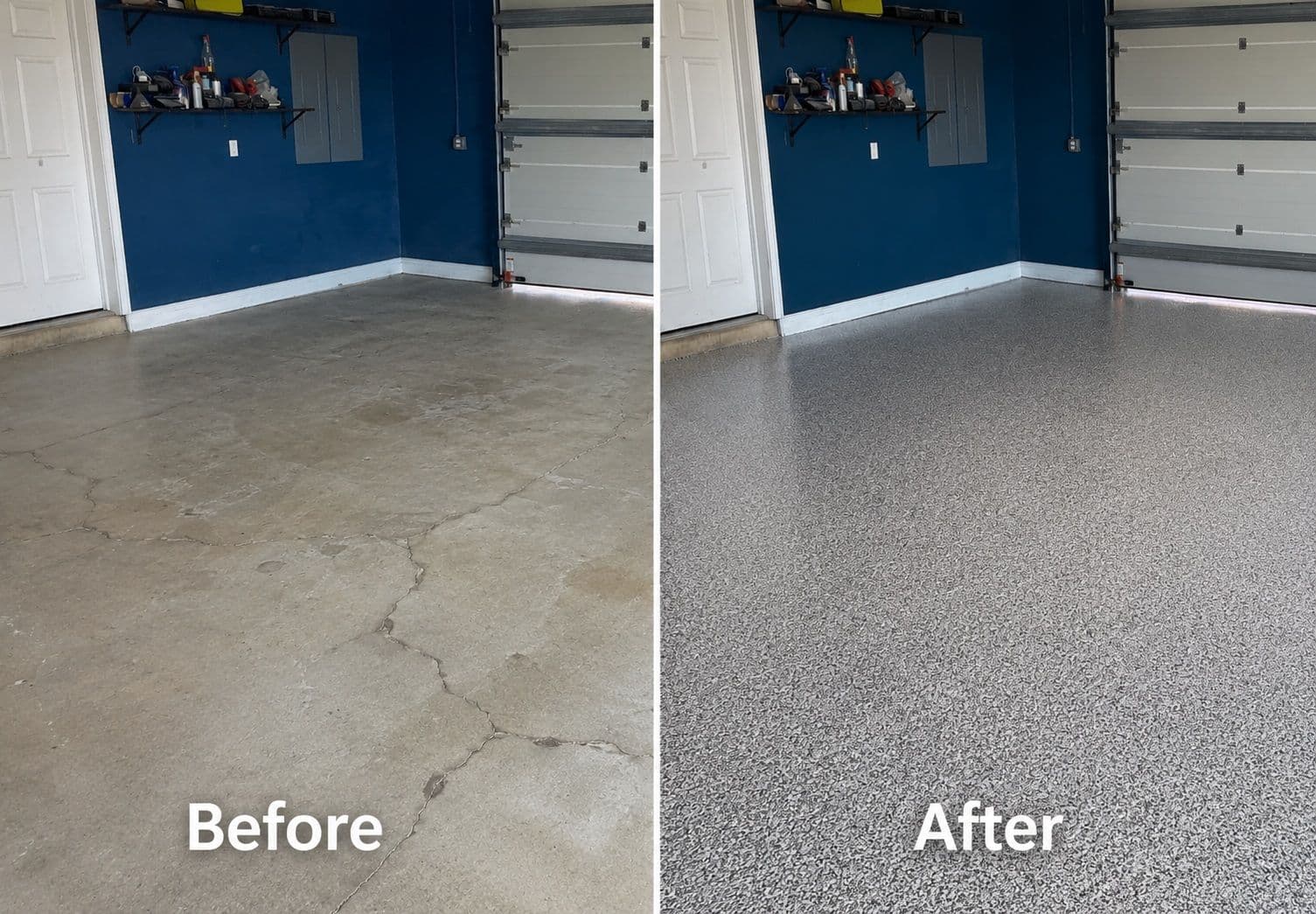
Evaluating a professional PennTek floor coating system requires a deep understanding of modern concrete polymer chemistry and structural substrate preparation. Property owners, contractors, and facility managers across the United States seek durable, high-performance solutions tailored to their specific environments-whether residential garages, commercial facilities, or exterior pathways-to protect their investments from chemical degradation and mechanical wear. Selecting the appropriate protective topcoat is vital to maximizing the lifespan of these diverse concrete surfaces.
Understanding the Chemistry of Modern Concrete Protective Layers
The Core Formulation of Polyaspartic Technology
Polyaspartic technology represents an advanced evolution within the polyurethane branch of polymer chemistry. Originally developed in the late 1980s, aliphatic polyaspartic esters were engineered to overcome the application limitations of standard polyureas while retaining high molecular cross-linking density. The reaction involves an aliphatic polyisocyanate component and a polyaspartic ester amine component. This specific molecular structure is designed to improve curing control, allowing technicians to apply coatings across broad temperature ranges without accelerating gelation times.
The resulting film exhibits an extremely dense network of covalent bonds. This high cross-linking density prevents foreign molecules, such as automotive fluids, salts, and household chemicals, from penetrating the matrix. The aliphatic nature of the polymer backbone ensures that the chemical chains do not break down when exposed to solar radiation. As a result, polyaspartic coatings typically maintain their structural integrity and appearance for decades with minimal maintenance, outperforming older polymer designs in long-term durability.
Why Traditional Epoxy Resin Systems Underperform
While professional systems may cost more initially, emphasizing their long-term savings and performance can make property owners and contractors feel confident in choosing a solution that pays off over time.
Furthermore, standard epoxy systems possess low resistance to thermal degradation. When exposed to heat generated by vehicle tires, the polymer chains soften, leading to a common failure mode known as hot tire pickup. Epoxy resins are also inherently aromatic, meaning their molecular structures contain benzene rings that readily absorb ultraviolet light. This absorption causes rapid scission of polymer chains, resulting in severe ambering, yellowing, and chalking of the surface during short periods of outdoor exposure.
Structural Performance Comparison: Polyaspartic vs Epoxy
Tensile Strength and Elongation Profiles
The mechanical performance of a concrete coating is measured by its tensile strength, adhesion strength, and elongation percentage. Polyaspartic systems are engineered with a balanced elongation profile that allows the cured film to move dynamically with the microscopic expansions and contractions of the concrete slab. While standard epoxy coatings have an elongation rate of less than 2%, premium polyaspartic formulas achieve significantly higher elongation percentages without sacrificing surface hardness.
This flexibility prevents the coating from cracking or shearing off when subjected to localized mechanical impacts. The adhesion dynamics are similarly superior; polyaspartic liquids feature low molecular viscosity during application, allowing them to penetrate deep into the open pores of a mechanically profiled concrete slab. This creates a deep mechanical root system that directly fuses the polymer to the aggregate matrix, eliminating the risk of delamination under heavy load cycles.
The Meaning of a 10X Stronger Than Epoxy Rating
When analyzing field performance, a high-tier polyaspartic system is explicitly rated as 10X stronger than epoxy based on standard ASTM abrasion and impact testing protocols. The physical wear resistance of a coating is evaluated using the Taber Abrasion test, which measures weight loss in milligrams after an abrasive wheel completes a set number of rotations. Polyaspartic coatings routinely lose a fraction of the material that standard epoxy systems lose under identical parameters.
This immense durability stems from the inherent toughness of the polyurea-polyaspartic bond, which absorbs and dissipates mechanical energy rather than cracking. The practical benefit of being 10X stronger than epoxy manifests in environments with high physical demands:
Resistance to gouging from dropped mechanical tools or heavy equipment components.
Prevention of surface tracking and wear patterns from heavy commercial forklift or vehicular traffic.
Protection against abrasive scraping from soil, sand, and outdoor debris tracked onto the floor.
Elimination of surface micro-fissures that allow moisture or chemical contaminants to reach the concrete.
Environmental Challenges for Concrete Surfaces in the United States
Thermal Shock and UV Degradation Effects
Concrete slabs across the United States face severe environmental stresses due to extreme seasonal temperature fluctuations. Rapid thermal fluctuation causes concrete to expand and contract at a different rate than the overlying polymer layer. If a coating lacks sufficient elasticity, this differential movement generates high shear stress at the bond line, leading to widespread peeling and cracking. Premium polyaspartic floor systems are highly resistant to thermal shock and UV degradation, making them suitable for both indoor and outdoor environments exposed to harsh weather conditions.
Solar radiation presents another severe challenge for outdoor concrete installations. Ultraviolet rays aggressively break down the chemical bonds of inferior coatings, destroying their gloss and structural stability. Premium polyaspartic formulations are inherently UV Stable, meaning they do not yellow or degrade under intense sunlight. This characteristic makes them ideal for both indoor garage environments exposed to open sunlight and fully exposed outdoor surfaces like patios and sidewalks.
Concrete Moisture Vapor Transmission and the Vapor Barrier Requirement
Concrete is a naturally porous, hydrostatic material that absorbs moisture from the surrounding earth. Hydrostatic pressure drives water vapor upward through the capillary network of the concrete slab, a process known as Moisture Vapor Transmission (MVT). When this rising vapor encounters an impermeable polymer layer, it collects at the bond line. If the pressure exceeds the coating's adhesion strength, it forces the film away from the concrete, causing large blisters and eventual coating failure.
To prevent moisture damage from ruining a high-end application, we must address the root cause of hydrostatic pressure before installing the final decorative layer. In environments with high water tables or known moisture issues, we basically have to add an extra layer called a vapor barrier. This specialized deep-penetrating primer blocks the upward migration of water molecules, stabilizing the substrate and ensuring that the subsequent 1-Day installation maintains its permanent adhesion to the concrete aggregate.
Cost Analysis of Professional Concrete Floor Applications
DIY vs Professional Base Epoxy Application Tiers
Understanding the economic landscape of floor coatings requires looking past the initial material purchase price to evaluate the total lifecycle cost. Retail do-it-yourself (DIY) epoxy kits are widely available and represent the lowest initial financial investment. These consumer-grade kits typically cost between $1 and $5 per square foot. However, these formulations have low solids content and rely on evaporation of water to cure, leaving behind a thin, fragile film that is highly susceptible to hot-tire pickup and chemical staining within months of application.
Professional-grade epoxy applications represent a step up in performance and typically cost $4 to $10 per square foot. These systems utilize 100% solids materials and are installed by crews utilizing mechanical preparation equipment. While they offer a thicker wear layer than DIY options, they remain limited by epoxy's inherent chemical vulnerabilities. They are prone to yellowing under sunlight and lack the long-term impact tolerance required for harsh automotive or commercial environments.
Premium Full-Flake Polyaspartic Investment Tiers
Premium full-flake polyaspartic installations represent the benchmark for longevity and structural performance. For standard indoor residential garage environments, the professional polyaspartic market average ranges between $5 and $14 per square foot. The premium full-flake polyaspartic systems installed by specialized crews generally fall into the $ 8- $14-per-square-foot tier. This investment reflects the use of high-solids industrial chemistry and meticulous mechanical profiling of the substrate.
When moving to outdoor spaces, the investment requirements shift due to increased exposure to the elements and specialized thickness specifications. Outdoor applications on patios, pool decks, and sidewalks typically range from $10 to $18 per square foot. Driveways and highly complex exterior architectural projects that demand deep structural preparation and enhanced environmental stabilization can range from $12 to $20+ per square foot. These tiers ensure that the polyaspartic matrix is thick enough to withstand heavy physical use and continuous exposure to the elements.
Additional Costs: Crack Repairs, Stem Walls, and Failed Coating Removal
Every concrete slab possesses a unique structural history that affects the total scope of a professional coating project. Estimates cannot be standardized without a physical or visual inspection of the site condition. For example, a failed existing coating must be completely removed mechanically before a new system can be bonded to the concrete. This process involves specialized grinding diamonds and increased labor, which must be assessed on an inspection-only basis.
Other specialized project components that influence the final cost include:
Vertical concrete surfaces, including steps, stem walls, knee walls, and vertical borders, require hand-tool profiling and specialized sagging-resistant coatings.
Deep structural repairs for severe cracks, spalling concrete, or pitted surfaces from winter salt exposure.
Custom flake color blends or specialized corporate color matching that requires custom manufacturing runs of the decorative media.
Advanced moisture-mitigation primers are required for concrete slabs that display high hydrostatic pressure readings during pre-inspection testing.
The Efficiency of a 1-Day Installation Lifecycle
Step-by-Step Profile Mechanical Diamond Grinding
The quality of the surface preparation determines the long-term durability of any concrete coating. Chemical etching with acid is an outdated, unreliable method that introduces moisture into the slab. Professional installations require mechanical diamond grinding to open the pores of the concrete. Heavy planetary grinding machines equipped with industrial diamond segments are passed across the entire slab to remove laitance, curing compounds, and contaminants, creating a specific surface profile resembling medium-grit sandpaper.
To protect the property and ensure a flawless application, this mechanical profiling is executed using integrated heavy-duty vacuums. These vacuums feature multi-stage HEPA filtration systems that capture dust particles directly at the grinding head, maintaining a clean work area and preventing airborne particles from settling into the wet polymer. Once the grinding is complete, technicians inspect the exposed aggregate and use specialized polyurea repair compounds to fill all cracks, pits, and joints, grinding them flush with the main floor surface.
Base Coat Application and Full Broadcast Flake Integration
Once the concrete substrate has been mechanically profiled and cleaned, the installation crew applies the high-solids polyaspartic base coat. Because polyaspartic chemistry cures efficiently, technicians work with precision to achieve an even, continuous layer across the entire floor. This base coat serves as the primary anchoring layer, sinking deep into the concrete's open pores to establish a permanent bond.
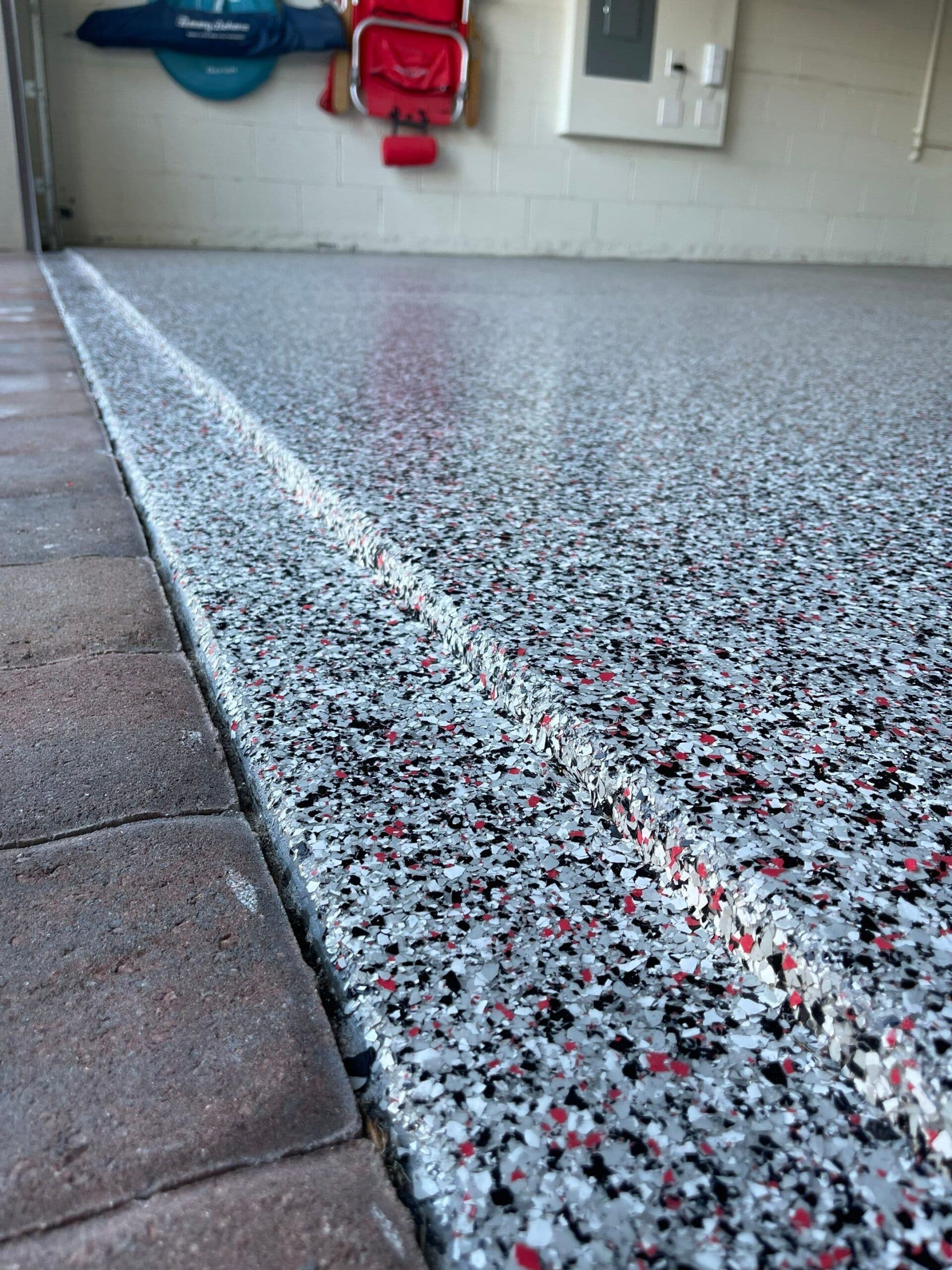
Immediately after applying the base layer, the technicians perform a full broadcast of decorative vinyl flakes into the wet polymer. The term "full broadcast" means the flakes are thrown in excess until the floor is completely saturated and no wet base coat is visible. This flake layer fulfills two critical engineering functions: it provides a multi-layered structure that increases the system's overall impact resistance, and it creates a visually appealing, multicolored texture that conceals natural irregularities in the underlying concrete slab.
UV Stable and Chemical Resistant Topcoat Curing
After the base coat has achieved initial cure, the excess unbonded vinyl flakes are scraped away using flat steel blades and thoroughly vacuumed off the floor. This leaves a uniform, textured flake layer ready for the application of the final protective shield. The technicians then apply the clear polyaspartic topcoat, encapsulating the decorative flakes in a durable, non-porous layer that is fully Chemical-Resistant and UV-Stable.
This clear coat cures rapidly to its full cross-linked density, providing complete protection against automotive fluids, road salts, solvents, and grease. Because the polyaspartic molecule cures through a controlled chemical reaction rather than solvent evaporation, the entire multi-layer system can support foot traffic within a few hours and vehicular traffic within 24 hours. This efficient timeline delivers a complete one-day garage floor coating, minimizing downtime for the property owner.
Long-Term Asset Protection and Manufacturer-Direct Value
Evaluating the Longevity of a Life-of-Home Warranty
When choosing between a temporary retail product and a professional concrete coating, the long-term warranty coverage is a reliable indicator of the system's expected lifecycle. Low-grade epoxy applications rarely carry extensive consumer protection due to their tendency to peel when exposed to moisture or hot tires. In contrast, premium polyaspartic installations are backed by an extensive Life-of-home warranty that protects the homeowner against cracking, peeling, and delamination.
This long-term assurance is possible because the polyaspartic material forms a permanent mechanical fuse with the concrete aggregate. Property owners can verify the long-term field performance of these systems by viewing completed installations in our Floortek Gallery. Choosing a system backed by a robust warranty ensures that the garage or commercial floor remains a high-value asset that enhances the property's overall market value without requiring future removal or replacement costs.
Maximizing Value with Our 30% Off First Installation Promotion
Investing in premium concrete protection represents an important property upgrade. To provide maximum economic value to property owners, we offer direct access to industrial-grade chemistry without franchise markups. Our customers receive premium manufacturer-direct value, eliminating the middleman costs associated with national franchise distribution networks. This structural pricing advantage allows us to deliver elite materials and expert installation at a highly competitive price point.
To make this upgrade even more accessible, new clients can take advantage of our current promotion, which offers 30% off the first installation of a complete polyaspartic floor system. This substantial discount applies directly to our full-service installation packages, which combine advanced diamond-grinding prep, high-solids polyaspartic coatings, and full-broadcast flake designs. Property owners can review our comprehensive technical background on the About Us page to understand the engineering standards that underpin our services.
Frequently Asked Questions:
Can a PennTek floor coating be applied to a garage floor in a single day?
YES. A professional PennTek floor coating system can be fully installed within a single day by a trained installation crew. The rapid cross-linking chemistry of advanced polyaspartic polymers allows for fast curing times between successive layers. While older epoxy systems require several days to cure, Floortek Coating's advanced alternative allows homeowners to resume full use of their garage floor within 24 hours. This fast installation process reduces downtime and prevents long-term disruption to your household schedule. According to materials research from the National Institute of Standards and Technology (NIST), rapid-curing polymers maintain exceptional structural integrity when applied under controlled environmental conditions.
Is a PennTek floor coating completely immune to color fading from intense sunlight?
YES. A premium PennTek floor coating formulated with an aliphatic clear topcoat is highly resistant to color fading and ultraviolet damage. The molecular structure of modern polyaspartic formulas does not break down under solar radiation. This ensures that the floor maintains its original gloss and color without yellowing over time. The alternative coating options provided by Floortek Coating utilize these UV-stable properties to protect both indoor and outdoor surfaces from intense sun exposure. This longevity makes it a superior option compared to traditional aromatic epoxies that amber rapidly. Environmental testing data published by the U.S. Environmental Protection Agency (EPA) confirms that aliphatic coatings exhibit excellent resistance to weather-induced polymer degradation.
How does the cost of a PennTek floor coating compare with that of a DIY retail floor kit?
A professional PennTek floor coating requires a higher initial financial investment than a retail DIY kit, but it offers a significantly lower lifetime cost. Professional polyaspartic systems range from $5 to $14 per square foot, whereas cheap water-based retail kits cost around $1 to $5 per square foot. The industrial-grade alternative installed by Floortek Coating provides long-term value by resisting hot-tire pickup and physical delamination. DIY kits frequently fail within the first year, requiring expensive mechanical removal and re-application. Structural life-cycle studies conducted by the Federal Highway Administration (FHWA) demonstrate that premium polymer coatings provide far greater long-term economic returns than low-cost consumer alternatives.
What are the common problems with concrete floor coatings, such as Penntek floor coatings, and how can you avoid them?
The most common problems with concrete floor coatings, such as a Penntek floor coating, include blistering, peeling, and surface delamination caused by poor mechanical preparation or high sub-slab moisture. To avoid these issues, installers must profile the concrete using diamond grinding machines rather than acid etching. The expert installation team at Floortek Coating avoids these issues by conducting moisture testing and applying an advanced polyaspartic base layer that locks into the open concrete pores. If moisture levels are too high, an additional vapor barrier must be applied to isolate the coating from hydrostatic pressure. Concrete durability guidelines from Iowa State University (iastate.edu) state that mechanical substrate profiling is essential for preventing long-term polymer coating detachment.
Can a PennTek floor coating withstand exposure to harsh automotive chemicals?
YES. A standard PennTek floor coating is highly resistant to chemical attack from common automotive fluids, including motor oil, brake fluid, gasoline, and anti-freeze. The high cross-linking density of the cured polyaspartic film stops corrosive chemicals from penetrating the surface and staining the underlying concrete slab. The heavy-duty flooring systems installed by Floortek Coating provide a non-porous chemical shield that allows for simple cleanup with basic household detergents. This resistance protects the floor from the unsightly staining and softening that typically ruins standard epoxy finishes. Chemical compatibility research from the University of California, Berkeley (berkeley.edu), highlights that polyaspartic matrices offer superior chemical resistance against organic solvents and automotive hydrocarbons.
Does a PennTek floor coating require regular resealing or specialized maintenance?
NO. A professionally installed PennTek floor coating does not require periodic resealing, waxing, or complex maintenance routines to preserve its structural integrity. The non-porous, clear polyaspartic topcoat forms a permanent barrier that resists dirt accumulation and chemical staining throughout its lifespan. The low-maintenance systems provided by Floortek Coating require only occasional sweeping and mopping with clean water and a mild soap solution. This simple care routine keeps the surface looking pristine without requiring expensive buffing equipment or regular resealing procedures. Polymer maintenance evaluations by the University of Florida (ufl.edu) confirm that high-solids polyaspartic coatings retain their gloss and surface finish without requiring regular secondary protective seals.
Can a PennTek floor coating be applied to exterior concrete surfaces,l such as patios
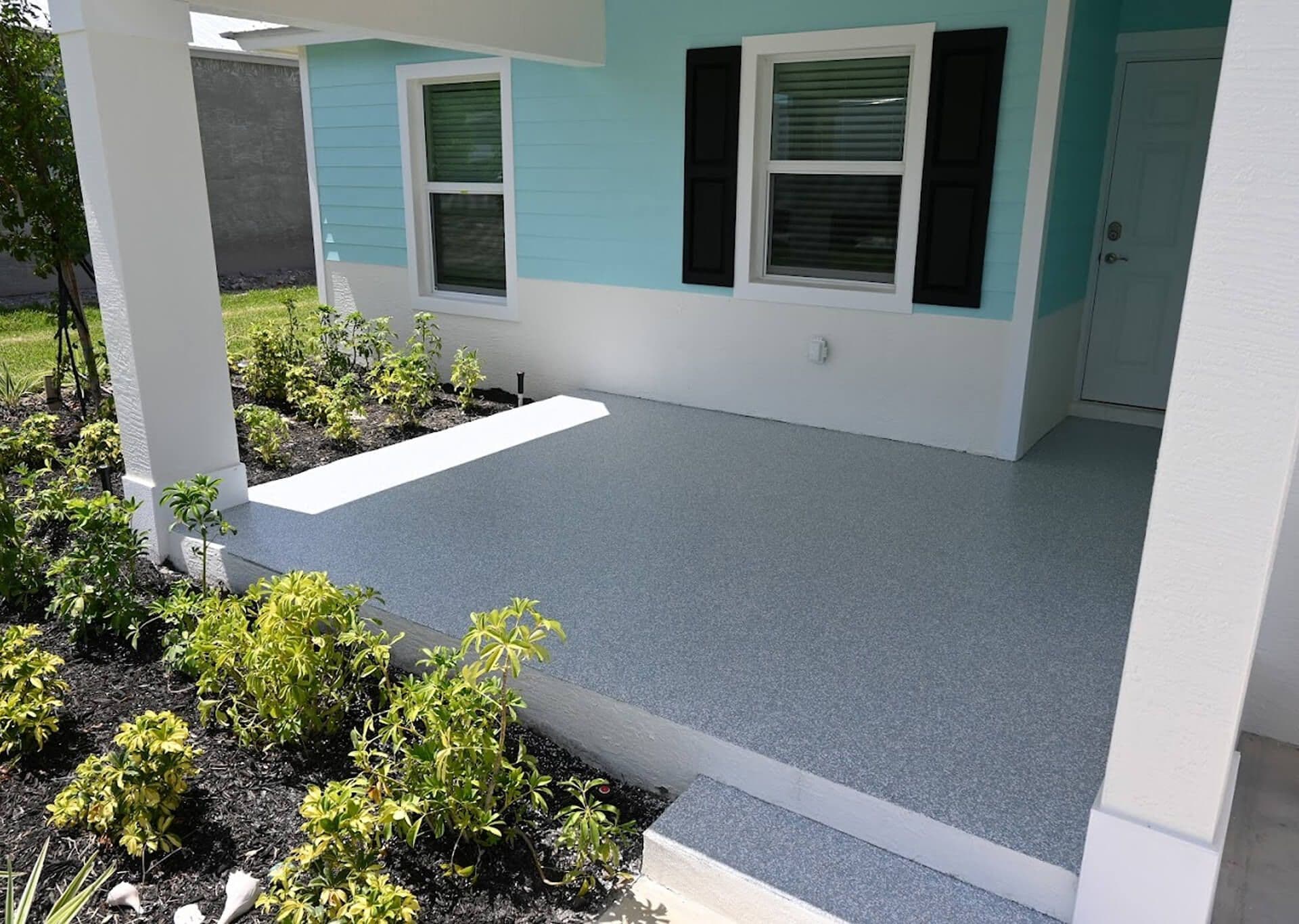
YES. A high-quality PennTek floor coating is perfectly suited for exterior concrete applications due to its climate resistance and flexible formulation. The advanced polyaspartic material moves with the thermal expansion and contraction of outdoor slabs without cracking or losing adhesion. The outdoor concrete surfaces coated with Floortek Coating are designed to withstand extreme seasonal temperature fluctuations while remaining completely unaffected by solar radiation. This thermal tolerance prevents the peeling and flaking common to lower-grade exterior paints. Concrete infrastructure studies from the University of Texas at Austin (utexas.edu) indicate that UV-stable polyaspartic membranes provide excellent outdoor surface protection against environmental cracking and freeze-thaw damage.
Is it necessary to repair cracks before installing a PennTek floor coating?
YES. All structural cracks, pitting, and spalling concrete must be repaired before applying a PennTek floor coating to ensure a uniform wear layer. Technicians use specialized dual-component polyurea fillers to seal all voids, leaving them flush with the surrounding concrete profile. The multi-step surface preparation protocol executed by Floortek Coating ensures that all surface defects are mended before the final polyaspartic layers are applied. This step prevents existing concrete fractures from telegraphing through the new decorative finish. Structural engineering reports from Purdue University (purdue.edu) emphasize that sub-surface crack stabilization is a critical factor in extending the functional service lifespan of polymer floor coatings.
Does a PennTek floor coating protect concrete from hot tire pickup?
YES. A professional PennTek floor coating is fully resistant to hot tire pickup, a major cause of failure in low-grade floor coatings. Hot tire pickup happens when hot tires create a vacuum that pulls weak polymers away from the concrete surface. The advanced polyaspartic chemistry used by Floortek Coating offers high thermal resistance and forms a mechanical bond that resists such delamination. This ensures your garage floor remains pristine even under heavy daily vehicle traffic. Mechanical engineering publications from the Massachusetts Institute of Technology (MIT; mit.edu) show that cross-linked polyaspartic networks retain their structural properties at elevated temperatures, thereby preventing tire-induced adhesive failure.
Can a PennTek floor coating be installed safely over an existing epoxy layer?
NO. A new PennTek floor coating cannot be applied directly over an old, failing epoxy layer without risking premature adhesion failure. The old coating must be mechanically removed using diamond grinding equipment to expose the raw, porous concrete underneath. The factory-trained technicians at Floortek Coating use industrial planetary grinders to completely strip away old coatings before applying the premium polyaspartic system. This step ensures that the new coating forms a direct mechanical link with the aggregate substrate. Polymer adhesion research from the University of Illinois Urbana-Champaign (illinois.edu) establishes that removing old coatings is required to achieve the surface profile necessary for high-strength polymer bonding.
Secure Your Premium Concrete Floor Upgrade
To upgrade your concrete floors with a premium polyaspartic coating system, contact the experienced team at Floortek Coatings. Our factory-trained specialists are standing by to guide you through our extensive line of Colors and Flake Options to find the perfect style match for your property. Whether you need to protect a residential garage, an outdoor patio space, or a large commercial facility, our systems deliver long-lasting protection.
You can schedule an on-site inspection and receive a personalized cost estimate by visiting our Contact Us page. We will test your concrete slab for moisture vapor transmission, evaluate the surface condition, and design a customized application plan that incorporates our elite polyaspartic technology. Take advantage of our manufacturer-direct pricing structure and claim your first-time buyer discount to secure permanent protection for your concrete floors today.
FREE In-Home Estimate
Plus 30% Off
Testimonials
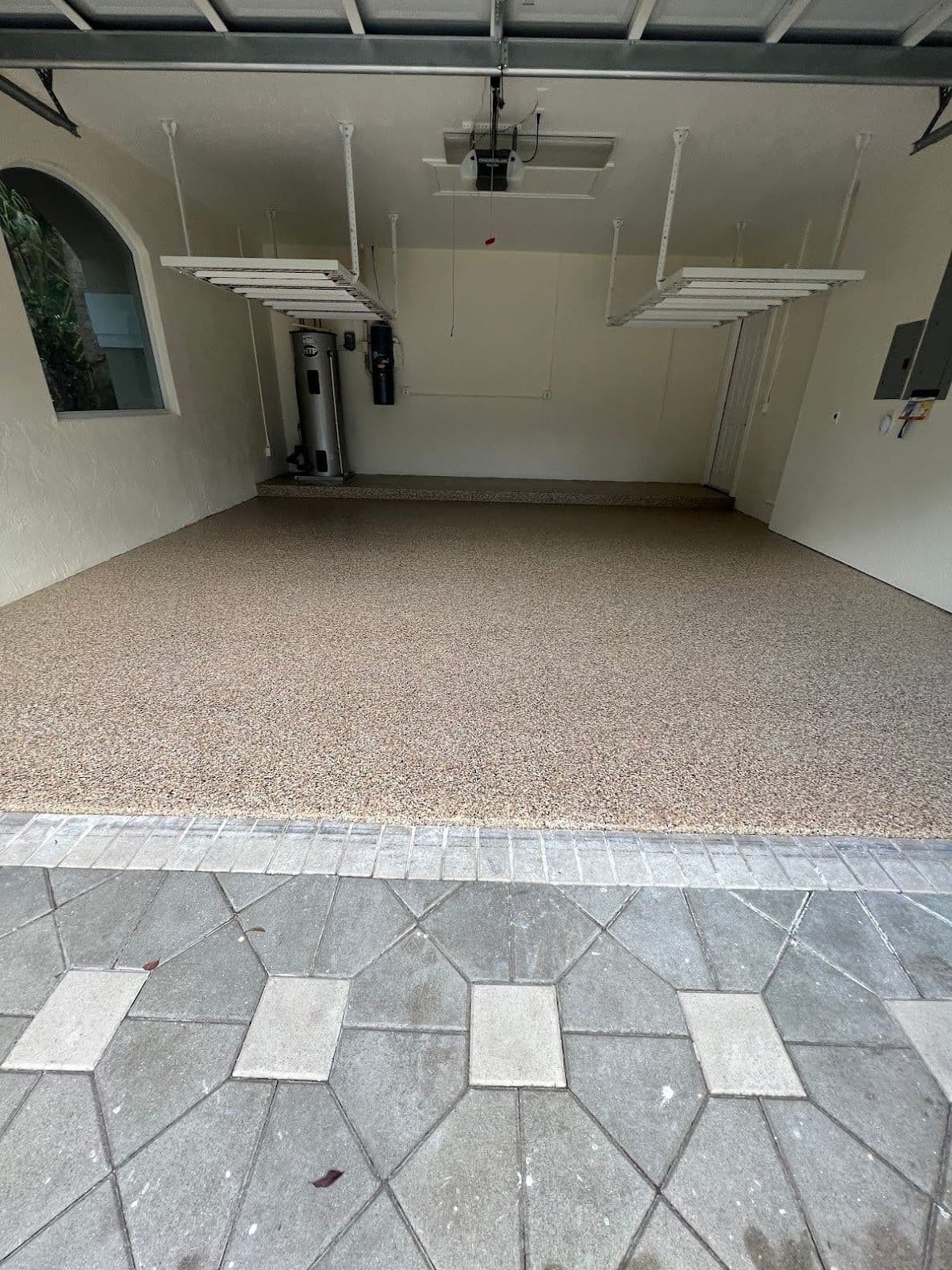
We had both of our garages done and an outdoor concrete platform. The crew was courteous and professional. Everyone from Nancy our salesperson to Patrick, the manager, Logan and his crew were outstanding. Our floors look fantastic and we were very happy we chose this company.
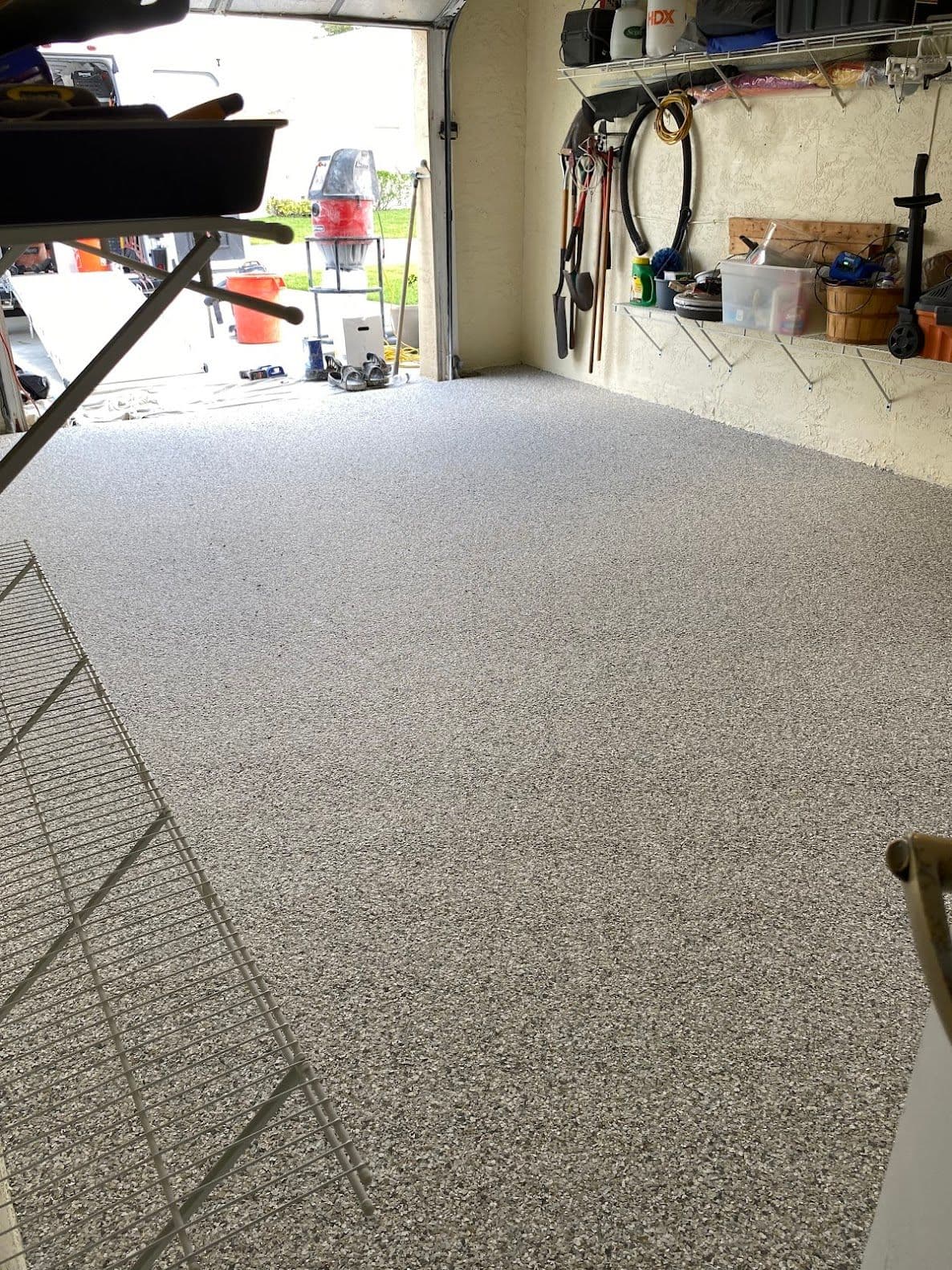
I am very pleased with the quality of work FloorTek has done for me. The two employees that did the actual work were very courteous, worked hard, and explained everything they were doing. Thank you for a great job.
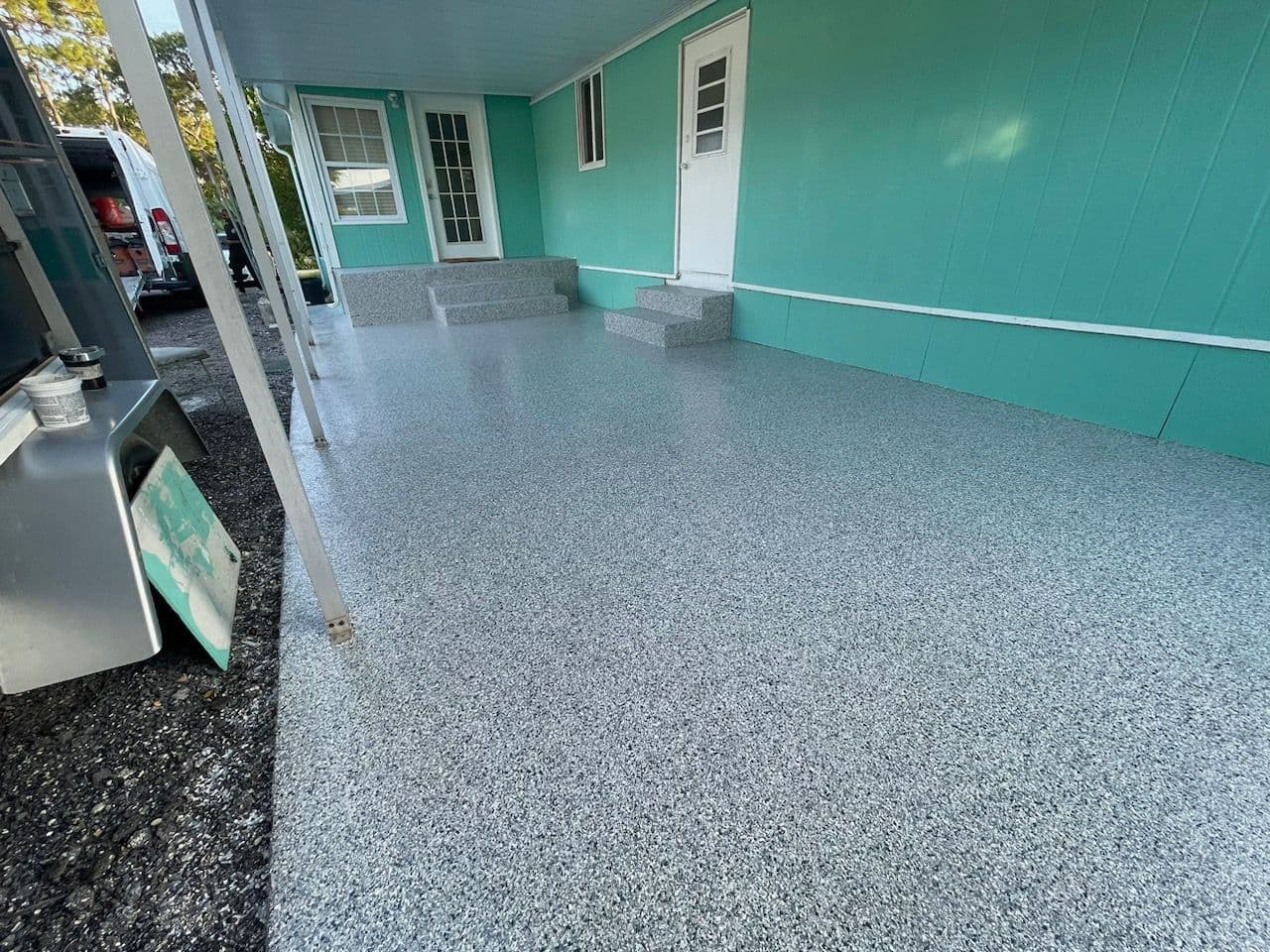
I was happy with the job Floortek did. Good customer communication and customer relationship. My old ugly porch was transformed and I love it. Nancy was very helpful throughout the process. Just know that rain may impact your schedule to make sure the products at highest quality during application.



Contact FloorTek Today